


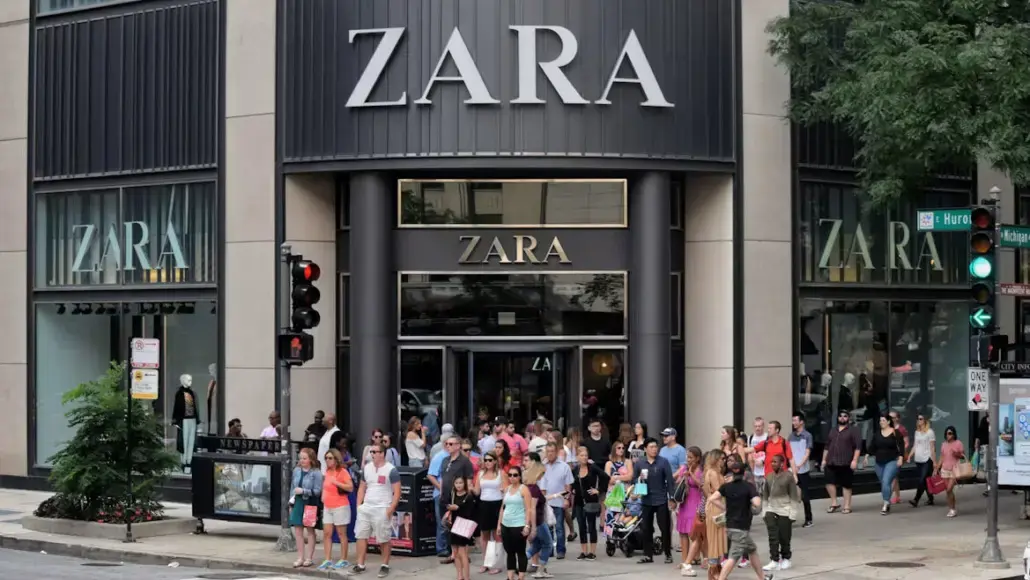
Madrid — The World Bank, acting through its private sector arm, the International Finance Corporation (IFC), has joined hands with US-based investment fund manager Social Investment Managers & Advisors (SIMA) to launch what is being recognized as the first blended finance fund specifically designed to drive the transformation of the fashion industry’s supply chain. The fund, structured with a capital target of up to 400 million dollars, marks a significant pooling of commercial and development capital under a single investment vehicle.
The fund has been launched with the IFC as the primary public investor and Spanish fashion multinational the Inditex group as the principal private investor — a combination that underlines both the institutional and corporate weight behind this initiative.
D-TAFS: What the Fund Is and What It Aims to Do
Formally named the Decarbonization of Textile, Apparel, and Footwear Suppliers Fund — or D-TAFS — this blended finance fund is built to offer debt financing on preferential terms, specifically tailored to meet the needs of suppliers operating within the global fashion and textile industry.
Its primary focus is on small and medium-sized enterprises located across Asia, the Middle East, North Africa, and Latin America. Through the financial mechanisms of the fund, these businesses will be enabled to invest in projects and initiatives that actively reduce their greenhouse gas emissions and broader environmental footprint.
The fund will operate through two distinct sub-funds. The first is dedicated to granting loans directly to textile and apparel manufacturers, while the second is aimed at financing energy service companies, energy developers, and distributors working alongside those same suppliers — with the goal of reducing environmental impact and encouraging a shift toward cleaner, more sustainable energy sources.
Together, these two financing mechanisms will back a range of on-ground projects: installation of renewable energy systems, modernization and replacement of industrial machinery, upgrading of boilers and equipment, process optimization, improved water reuse and wastewater treatment, and responsible management of chemicals used in textile production.
First Financing Round: Who Has Committed and How Much
The fund’s first financing round is expected to close at 225 million dollars. It is currently led by the World Bank’s IFC, which has committed up to 60 million dollars, and Inditex, which has committed up to 50 million dollars. These leading positions and committed amounts may evolve as future financing rounds are structured.
Several institutions have already confirmed their support to this blended finance fund. These include FMO from the Netherlands, Proparco from France, British International Investment from the United Kingdom, as well as the Global Environment Facility and the Apparel Impact Institute from the United States. Each will contribute varying amounts toward the 225 million dollar target for the first round.
Future financing rounds are expected to bring in additional investors, with the ambition of reaching the full 400 million dollar target to finance the fashion supply chain transformation at scale.
Voices From the Fund’s Principal Stakeholders
Sarvesh Suri, IFC Regional Vice President for Asia and the Pacific, highlighted the structural challenge this fund is designed to address: “Small and medium-sized suppliers are the backbone of global brands’ supply chains and need access to affordable, appropriately structured financing to remain competitive.” He added that “this new fund brings together leading brands, investors and suppliers around a common solution: mobilising capital to improve productivity, energy efficiency and operational resilience, and contributing to the maintenance of quality jobs.”
Óscar García Maceiras, Chief Executive Officer of Inditex, underlined the collaborative intent behind the initiative: “Transforming the textile supply chain requires the industry to work together and for manufacturers to have access to both the technical knowledge and the necessary financing to make investments.” He noted that Inditex is already working with its suppliers to understand factory-level needs and develop specific transformation plans, and that D-TAFS “can help take the next step” — turning identified improvements into actual investments and measurable results.
Lewis Perkins, President of the Apparel Impact Institute, pointed to the financing barrier that many suppliers face: “Suppliers are fundamental to the decarbonisation of the textile industry, yet many solutions require significant upfront investment and access to financing remains a major barrier.” He described how D-TAFS “helps turn proven climate solutions into viable investment projects and offers suppliers a pathway to implement and scale decarbonisation.”
Leslie Maasdorp, Chief Executive Officer of British International Investment, stressed where the decarbonization journey truly begins: “Decarbonising fashion begins long before garments reach the shops — it starts in the factories and supply chains where they are produced.” He explained that by helping textile manufacturers in emerging markets invest in renewable energy, efficient machinery, and cleaner production, the investment through D-TAFS will “unlock the long-term financing they need to make those investments,” adding that it “reduces emissions at the source and supports a more sustainable and resilient textile industry, which ultimately benefits consumers in the UK and around the world.”
Asad Mahmood, CEO of SIMA, addressed the practical gap that the fund is built to bridge: “Factory owners may know they need to replace a boiler or invest in renewable energy, yet without a customised loan structure, appropriate terms and implementation support, those projects can be relegated to mere theoretical studies.” He described D-TAFS as “a financially attractive and scalable solution” built on SIMA’s experience supporting sustainable solutions in this value chain, and emphasized that the fund is “not just about financing — it is about demonstrating that it is possible to achieve climate impact, meet market demands and strengthen competitiveness and resilience at the same time.” Mahmood also noted that “when the World Bank Group, Inditex — as a leading global group — and SIMA join global investors such as FMO, Proparco, BII and AII, we transform a supply chain problem into a viable investment solution.”
How Companies Can Access the Fund’s Financing
To qualify for financing under D-TAFS, companies are required to submit a structured plan that identifies factory-level needs, planned investments, and environmental targets. Each project’s viability will be individually assessed based on this submission, with indicators established to track progress and measure results.
An accountability framework will accompany all investments, with progress reports produced every four months. These reports will include the relevant analyses to measure the environmental progress achieved through each granted investment.