
























Four of the world’s leading fashion companies have come together to form the Apparel Recovery Coalition (ARC), a new industry initiative focused on strengthening the management, reuse and recovery of secondhand clothing in countries that receive significant volumes of used apparel exports.
The coalition — comprising H&M Group, Inditex, BESTSELLER and adidas — was officially launched on October 2 at Kantamanto Market in Accra, Ghana, in collaboration with The Or Foundation, with Circle Economy serving as an independent facilitator.
A Coalition Born at the Heart of the Secondhand Clothing Trade
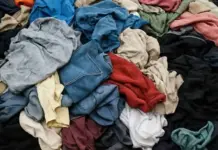
The choice of Kantamanto Market as the launch venue was deliberate and meaningful. One of Accra’s most prominent centres for the reuse, repair and upcycling of secondhand clothing, Kantamanto recirculates approximately 25 million garments every month and supports the livelihoods of tens of thousands of workers and entrepreneurs across the city.
Speaking at the launch on behalf of Dr Julius Debrah, Chief of Staff at the Office of the President, Deputy Presidential Spokesperson Shamima Muslim noted that the decision to officially unveil the Apparel Recovery Coalition at Kantamanto was significant. It brought the participating companies directly into the community that is most affected by the global secondhand clothing trade — placing industry accountability at the very source of its impact.
She further noted that the initiative represents an important step towards recognising the contribution of communities such as Kantamanto to keeping clothing in active circulation.
What the Apparel Recovery Coalition Aims to Do
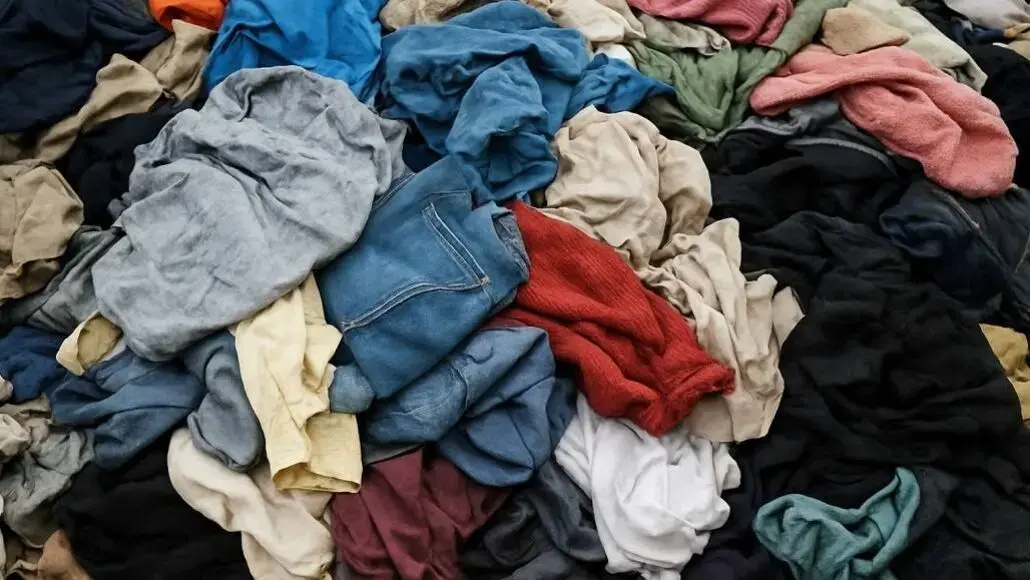
The Apparel Recovery Coalition seeks to explore how producer responsibility systems could support reuse, upcycling, recycling and responsible waste management within receiving countries such as Ghana. The scale of activity at Kantamanto has, over the years, also brought to the fore considerable environmental and social challenges — from rising volumes of post-consumer textile waste to concerns around water and soil pollution.
Over the next two years, ARC plans to develop and test a producer responsibility framework that accounts for the cross-border movement of used clothing. The initiative will bring together fashion companies, producer responsibility organisations, clothing sorters, recyclers, policymakers and the communities directly affected by the secondhand clothing trade.
As its first demonstration project, the coalition will examine how producer responsibility contributions could help strengthen Ghana’s existing circular textile economy — building on work The Or Foundation has carried out over the past 15 years in supporting Ghana’s circular textile ecosystem.
Through the demonstration project, The Or Foundation is expected to continue its ongoing work in Accra, including infrastructure improvements at Kantamanto Market, environmental remediation efforts and dedicated training programmes for market workers and traders.
Community Voices at the Centre of the Initiative
The launch brought together representatives from the participating companies as well as members of the Kantamanto Obroniwawu Businesses Association (KOBA), the umbrella body of market section leaders.
Reverend Opoku Afreh, President of KOBA, addressed the gathering and made clear what the Kantamanto community expects from the Apparel Recovery Coalition. “Our expectation is that ARC will build upon the existing knowledge, skills and resourcefulness of the Kantamanto community rather than overlook or replace them,” he said.
Reverend Afreh also called for meaningful access to infrastructure, investment and expanded opportunities so that traders and workers within the market could grow their businesses, improve their livelihoods and reinforce sustainable practices already in place.
Mrs Gifty Anderson, Secretary of the Kantamanto Women’s Association, echoed similar sentiments. She observed that decisions affecting the fashion industry are frequently made far removed from the communities that bear the consequences of those decisions. Mrs Anderson welcomed the presence of the global companies at Kantamanto, stating that understanding the challenges on the ground is an essential step towards developing solutions that are genuinely effective and community-informed.
Learning from Communities, Building Practical Solutions
The Apparel Recovery Coalition has stated that the initiative will seek to learn from communities at the centre of the secondhand clothing trade while exploring practical, scalable approaches to managing the growing volume of post-consumer textiles crossing international borders.
By grounding the producer responsibility framework within the lived experience of markets like Kantamanto, the coalition aims to develop systems that go beyond regulatory compliance and instead reflect the real-world complexity of a global circular textile economy. The Apparel Recovery Coalition’s work in Ghana will serve as the foundational model for this broader mission.

