


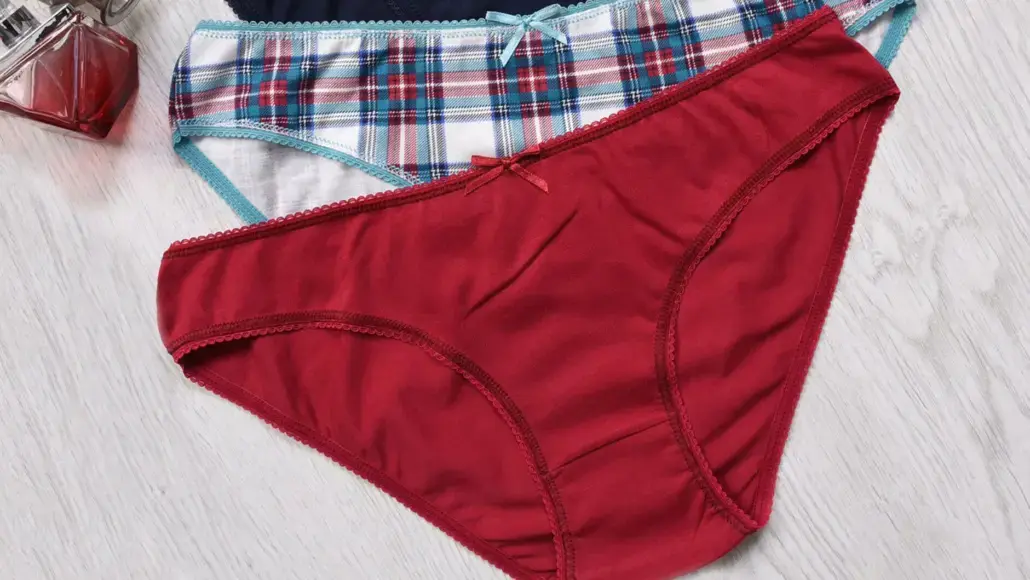
China’s Ministry of Industry and Information Technology (MIIT) has officially issued a new textile industry standard — FZ/T 64125-2026 — specifically governing disposable underwear. The standard was included under the No. 9 Announcement of Approved Industry Standards for 2026 and is scheduled to take effect on November 1, 2026.
This development is directly relevant to manufacturers, importers, brand owners, retailers, testing laboratories, and regulatory compliance teams operating within or supplying to the Chinese market.
Scope of the Standard
The new disposable underwear standard applies to disposable underwear products manufactured primarily from knitted fabrics or nonwoven fabrics. Compressed disposable underwear products may also refer to this document for implementation purposes. However, this standard explicitly does not apply to products intended for infants aged 36 months and below.
Product Classification Under FZ/T 64125-2026
Under the FZ/T 64125-2026 standard, disposable underwear is classified along two dimensions.
Based on the type of fabric used, disposable underwear is categorized as either knitted disposable underwear or nonwoven disposable underwear. Based on microbiological requirements, products fall into one of three grades: conventional grade, disinfection grade, or sterile grade.
Performance and Technical Requirements
The standard sets out specific requirements across appearance quality, performance, and hygiene.
Appearance quality must comply with Clause 5.1 of the document. Performance requirements, governed by Clause 5.2, cover a comprehensive list of test items including fiber content, formaldehyde content, pH value, odor, decomposable carcinogenic aromatic amine dyes, color fastness to water, color fastness to perspiration, color fastness to rubbing, side seam strength, waistband elongation, and extractable fluorescent whitening agents.
Basic hygiene requirements must comply with GB 15979-2024. Microbiological requirements are defined under Table 5 of the document and include total bacterial count, specified microorganisms such as Escherichia coli, Pseudomonas aeruginosa, Staphylococcus aureus, and hemolytic streptococci, as well as other pathogenic microorganisms and total fungal count.
Product Instructions and Labeling Requirements
The labeling compliance requirements under this standard are detailed and mandatory for retail packaging.
Every minimum retail package must display the product name along with the standard number, the production batch number and production date, the manufacturer’s name and address, fiber content, applicable user group (adult or child), size designation, hygiene grade based on microbiological classification, shelf life, and any other relevant information.
For disinfection grade and sterile grade products, additional labeling obligations apply. The sales package must be marked with the words ‘Disinfection Grade’ or ‘Sterile Grade’, along with the disinfection or sterilization method and the operation date. The transportation package must similarly carry the grade designation along with either the production date and shelf life or the production batch number and expiry or use-by date. Durable labeling is not mandatory for product instructions under this standard.
Who Is Affected
The scope of impact under the new textile industry standard is broad across the supply chain.
Those directly affected include manufacturers of disposable underwear products, brand owners and private-label retailers marketing disposable underwear in China, importers and distributors of such products, testing laboratories responsible for product compliance verification, and quality and regulatory compliance teams involved in product development and market access.
Compliance Timeline
FZ/T 64125-2026 for disposable underwear will take effect on November 1, 2026.
Manufacturers and suppliers of disposable underwear are advised to review their product specifications, microbiological controls, testing methods, and labeling compliance practices well ahead of the enforcement date to ensure full alignment with the new textile industry standard requirements.