



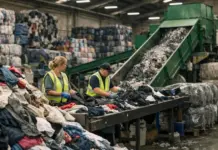





















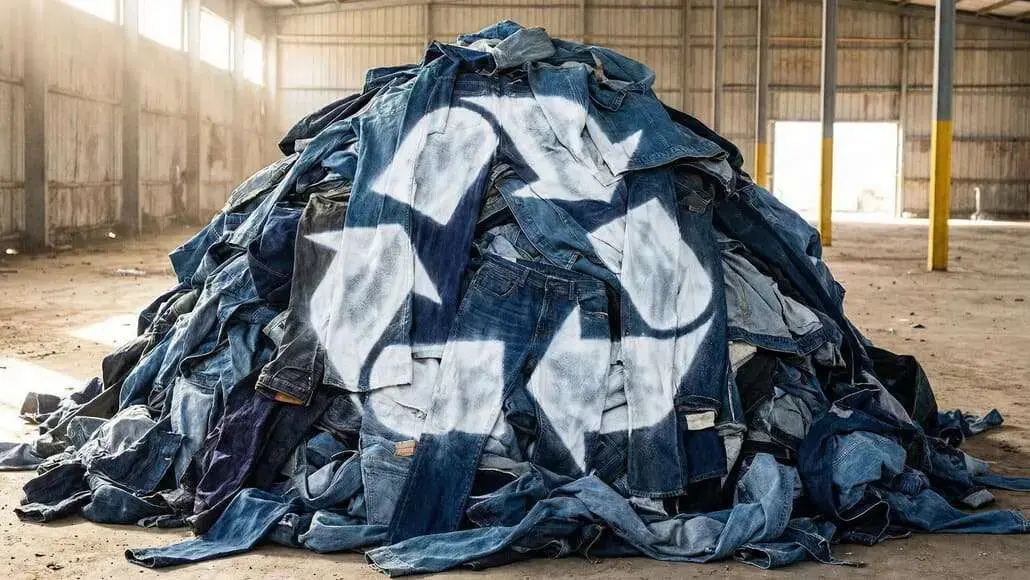
The landscape of the global apparel industry is undergoing a significant shift as the European Union implements new rules prohibiting the destruction of unsold clothing. For years, the practice of burning, shredding, or burying surplus stock has been a common, though often hidden, method for brands to manage inventory. Under the 2024 regulations, this practice is now banned within the EU, forcing retailers to adopt alternative strategies such as resale and donation. This unsold clothing ban also requires companies to disclose the volumes of their unsold stock on their public websites.
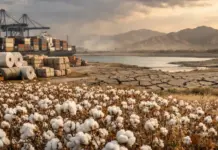
These new fashion waste regulations are part of a broader framework designed to ensure that apparel sold in the EU is more durable, reusable, and recyclable. While the mandate currently targets large-scale retailers, the scope will expand to include medium-sized enterprises by 2030. These measures seek to address the growing environmental footprint of the industry by mandating higher standards for textile waste reduction. Currently, destruction is only permitted if garments are deemed unsafe or damaged beyond repair.
The Scope of Excess Clothing Inventory and Global Surplus
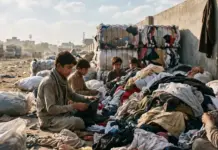
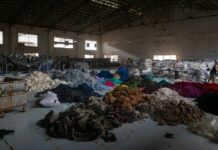
The challenge of managing excess clothing inventory—often referred to as surplus, deadstock, or excess inventory—remains a complex issue. This category includes garments that were never sold to consumers as well as items returned by customers. Data from European meta-analyses suggests that the average share of unsold stock accounts for approximately 21% of all clothing placed on the market. While a portion of this is redirected to charitable organizations, the EU estimates that between 4% and 9% of all new apparel is ultimately destroyed.
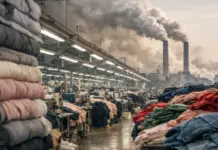
The rise of ultra-fast fashion has intensified this issue. In 2022, major retailers like Zara and H&M released thousands of new styles, while digital-first entities like Shein have been known to add up to 10,000 new designs on peak days. This rapid turnover creates a massive volume of products that may never reach a buyer. The problem is not exclusive to budget retailers; for instance, the luxury brand Burberry reportedly destroyed approximately £90 million ($170 million AUD) in products over a five-year period.
Australian Market Estimates and Potential Legislative Shifts
While Australia does not yet have mandatory reporting for unsold stock, current import data provides a window into the potential scale of the issue. In 2024, Australia imported 1.55 billion units of clothing. Industry estimates suggest that at least 3% of these imports remain unsold, totaling roughly 47 million units or 11,700 tonnes. However, if European destruction rates of 4% to 9% were applied to the Australian market, the volume of destroyed garments could reach between 62 million and 132 million units annually.
The unsold clothing ban impact observed in Europe is prompting discussions in Australia regarding “product stewardship.” This concept encourages businesses to take full responsibility for a product throughout its entire lifecycle. Local initiatives like Thread Together already work with 2,000 brands to redirect surplus to those in need, while the national scheme Seamless has recommended establishing a shared definition of unsold stock and mapping its accumulation to improve textile waste reduction efforts.
Implementing Sustainable Fashion Practices for Long-Term Viability
Industry experts suggest that more efficient inventory management and a move away from constant style turnover could mitigate the surplus problem. Reports highlight that some retailers have seen significant profit increases by resisting trend-driven cycles. For example, Uniqlo achieved a 70% profit increase over seven years by producing only two primary collections annually and carrying over half of its range from previous seasons. These sustainable fashion practices demonstrate that reducing the volume of excess clothing inventory can be both economically and environmentally beneficial.
As the industry adjusts to the unsold clothing ban impact, the focus shifts toward holding brands accountable for the resources consumed and wasted. The Australian government has an opportunity to strengthen fashion waste regulations to keep new, unsold clothing out of landfills and create a more equitable environment for retailers committed to sustainability. Transitioning the fashion system from one where surplus is a standard feature to one centered on circularity will require a collaborative effort across the entire supply chain.