
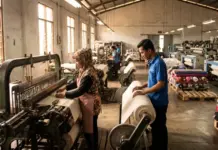






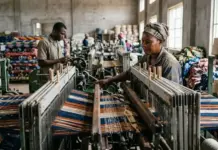


















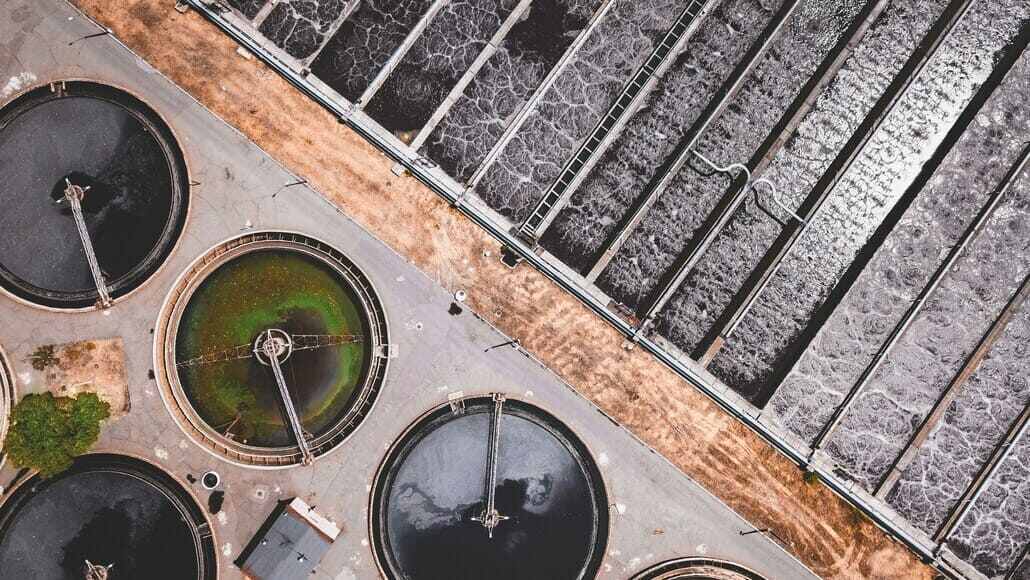
Taiwan is taking significant steps towards sustainability by turning textile water sludge (TWS), a waste product from its textile sector, into a renewable energy source. This innovative method supports the principles of a circular economy, lowers environmental damage, and aligns with the country’s aim to achieve net-zero emissions.
The Problem of Textile Sludge Management
The textile industry in Taiwan generates large quantities of TWS every year, posing major environmental challenges. Currently, around 30% of this waste is processed and used as fuel, highlighting the industry’s efforts to embrace green initiatives.
Government-Led Efforts
The Ministry of Environment (MOENV) has been promoting waste-to-energy programs since 2019, focusing on converting TWS and other combustible materials into usable energy. Key measures include:
- Boosting Solid Recovered Fuel (SRF) Use: The government has introduced technical guidelines for SRF production to ensure efficient and safe conversion of sludge into energy.
- Circular Economy Policies: Through its “Five Plus Two” initiative, Taiwan encourages industries like textiles to switch from traditional waste disposal methods to sustainable circular practices.
Advanced Technologies for Sludge Conversion
Taiwan utilizes cutting-edge technologies to convert TWS into energy effectively:
- Sorting, Drying, and Torrefaction: These processes improve the energy value and combustion efficiency of sludge, making it a better fuel source.
- Fluidized Bed Boilers: These systems enable efficient combustion of large amounts of TWS while minimizing air pollution.
- Cogeneration Systems: These technologies recycle sludge into both power and heat, tackling waste while generating energy.
Uses for Solid Recovered Fuel (SRF)
SRF produced from TWS has multiple applications:
- It serves as an alternative to fossil fuels in cement kilns and industrial boilers.
- It is used for power generation in incinerators, supported by the government’s renewable energy subsidies.
Positive Environmental and Economic Impacts
By converting TWS into energy, Taiwan achieves several benefits:
- Waste Reduction: Reduces the amount of sludge sent to landfills or incinerators, cutting pollution risks.
- Lower Carbon Emissions: Replacing one metric ton of coal with SRF avoids 0.77 metric tons of CO2 emissions.
- Enhanced Energy Independence: Locally-sourced SRF reduces reliance on imported energy.
- Cost Efficiency: SRF presents a budget-friendly alternative to fossil fuels while supporting sustainability agendas.
Addressing Challenges
Despite the progress, some hurdles remain:
- Ensuring consistency in the quality and availability of raw materials.
- High energy and operational costs associated with recycling processes.
- Overcoming public skepticism regarding the use of SRF.
Taiwan is tackling these issues through continuous technological advancements, government initiatives, and collaboration with industries.
Conclusion
Taiwan’s success in transforming textile sludge into renewable energy sets a global benchmark for sustainable practices. This innovative solution not only reduces harm to the environment but also strengthens energy resilience and fosters a circular economy. Taiwan’s approach demonstrates how waste management can be aligned with renewable energy goals to create a more sustainable future.