




























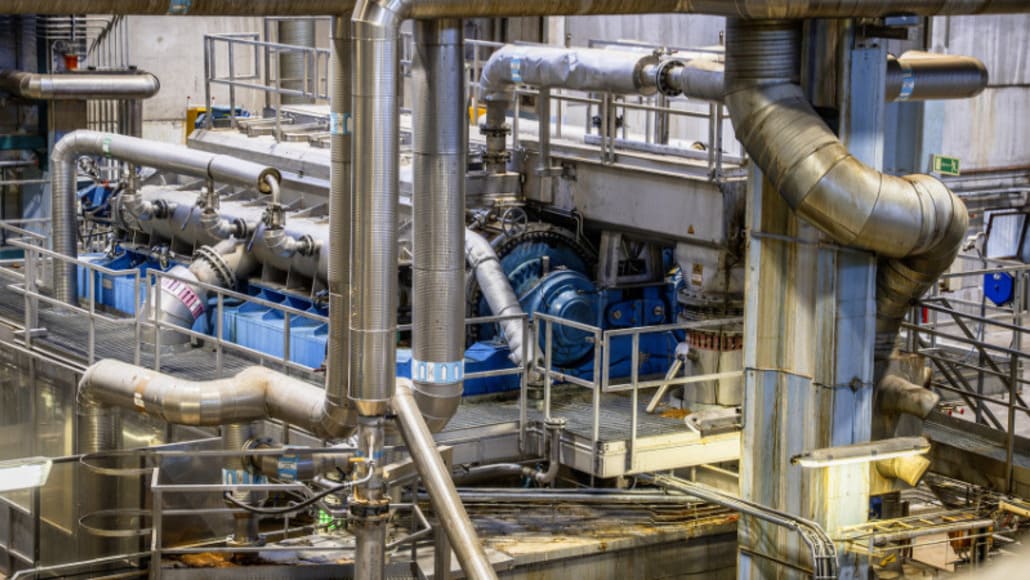
ABB has signed a memorandum of understanding with Swedish textile recycler Syre to evaluate how industrial automation, electrification and digital systems could support Syre’s first large-scale polyester recycling facility, planned for Vietnam. The collaboration will focus on adapting ABB’s process-industry technologies to the specific operational demands of textile-to-textile polyester recycling, with the goal of enabling a plant that can run safely, efficiently and at scale.
The partners said the exploratory work will run in parallel with the detailed engineering phase for Syre’s proposed site in Gia Lai province. The facility is intended to convert polyester sourced from used textiles and industrial waste into new recycled polyester feedstock, helping reduce reliance on virgin, fossil-based fibre inputs. Construction is expected to start in 2027.
Syre is positioning its Vietnam project as part of a broader push to industrialise circular polyester, arguing that polyester’s dominance in global fibre consumption makes it a high-impact target for decarbonisation and circularity efforts. The company says scaling textile-to-textile routes can lower emissions, reduce dependence on virgin petrochemical inputs and keep materials in circulation as brands and manufacturers work to build more circular value chains.
“This agreement reflects ABB’s role in supporting emerging industrial applications where automation and electrification can enable greater resource efficiency,” said Wilson Monteiro, global business line manager for pulp, paper and fibre in ABB’s Process Industries division.
“Together with Syre, we will explore how our experience in fibre processing, chemicals and advanced process industries can be applied to polyester recycling. We’re excited to discover what’s possible as we embark on this new technological collaboration.”
Syre CEO Dennis Nobelius said the move toward industrial scale makes partnerships with established industrial suppliers increasingly important. “As we now move into full industrial deployment, partnerships like this become critical. Industrialising textile-to-textile recycling is a complex undertaking, and while strong customer demand is essential, it must be matched with best-in-class industrial partners.
“ABB brings exactly the depth of expertise and execution capability needed; they are a cornerstone of the industrial ecosystem we are building.”
Syre has scaled quickly since its public launch two years ago, establishing an R&D facility and pilot line in Mebane, North Carolina, and progressing to multi-tonne production of circular PET chips in 2025. While ABB and Syre emphasised the MoU is exploratory, it signals how industrial automation and digitalisation are becoming central to translating textile-to-textile polyester recycling from pilot lines into repeatable, bankable industrial plants—particularly in regions positioned to play a larger role in circular manufacturing supply chains.

