

























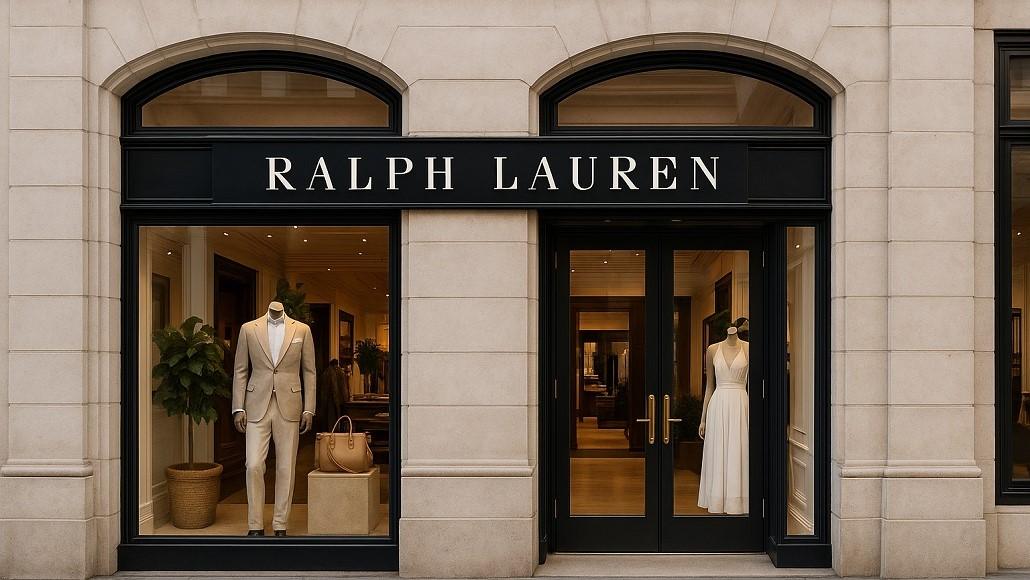
Ralph Lauren has rolled out the next chapter of its Global Citizenship & Sustainability (GC&S) agenda, introducing a framework it says will guide how the company drives measurable social and environmental progress across its value chain. The updated strategy, branded Timeless by Design 2030, is positioned as a five-year approach intended to strengthen resilience—not only within the business, but across the communities, partners and natural systems that support its products.
The company said it will embed the strategy across its operations over the next five years, setting targets tied to partnerships, resource stewardship, employee engagement and community support. Ralph Lauren plans to track and disclose progress annually in line with its fiscal reporting calendar, signalling an emphasis on ongoing accountability rather than one-time commitments.
Katie Ioanilli, Ralph Lauren’s chief global impact and communications officer, framed the strategy as foundational to long-term brand durability. “By investing in the resilience of the people who shape our business, the communities we serve and the resources that make our products possible, we are reinforcing the long-term strength and durability of Ralph Lauren. Aligned to Ralph’s timeless vision that inspires everything we do, this work is enduring and foundational to operating a business that stands the test of time.”
Four pillars and flagship programmes
Timeless by Design 2030 is built around four pillars, each supported by a flagship programme intended to translate ambition into execution.
The first pillar, Partner for Impact, focuses on working with supply-chain partners to cut carbon emissions and reduce water use, while expanding empowerment and life-skills initiatives for workers. Its flagship programme, Design with Intent, is aimed at advancing culturally sustainable design through both product creation and brand storytelling.
Under Protect Natural Resources, Ralph Lauren said it will address climate- and nature-related impacts through circular product principles and material innovation. Cotton Stewardship will anchor this pillar, with the company looking to scale regenerative and recycled cotton initiatives.
The Engage & Enable Teams pillar centres on employees, with programmes designed to support professional development and strengthen inclusion across the workforce. Only at RL is the key initiative here, positioned as a platform for career-building and internal growth.
The fourth pillar, Care for Communities, continues the company’s community and philanthropy efforts, including employee volunteering and charitable partnerships. Pink Pony remains the core programme under this pillar, supporting Ralph Lauren’s long-running anti-cancer work.
Building on earlier progress
Ralph Lauren said the new framework builds on changes already implemented since the launch of its initial GC&S strategy. The company cited actions such as lowering greenhouse gas emissions, reducing overall water consumption, ensuring 99% of units produced meet at least one sustainable material standard, and expanding cancer-related initiatives.
By formalising these efforts under a structured, pillar-led roadmap, Ralph Lauren is signalling that its next phase of sustainability strategy will be less about standalone projects and more about operationalising impact across the value chain—with Timeless by Design 2030 serving as the umbrella for how those priorities are set, measured and communicated.