



























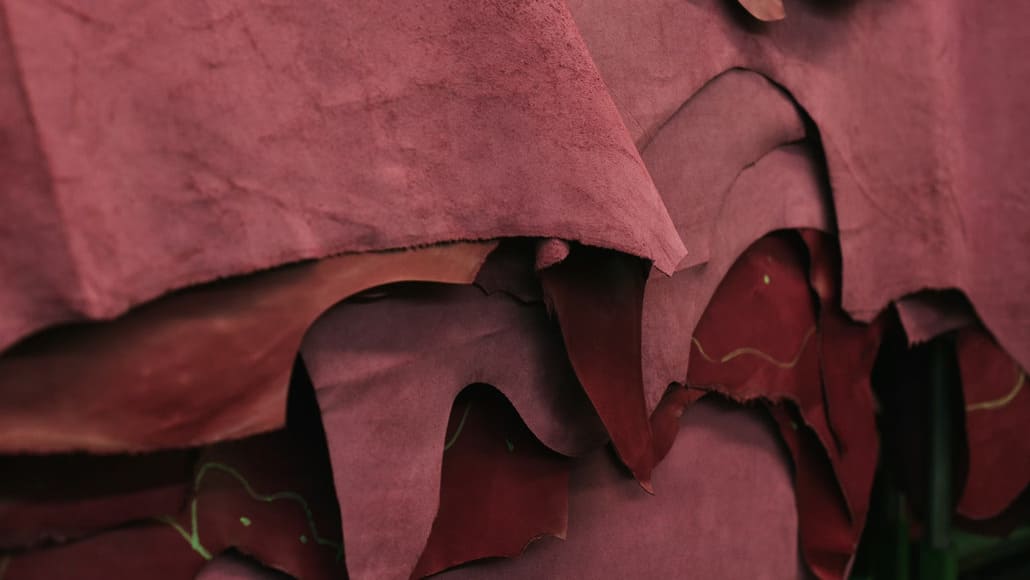
WWF has teamed up with RFLCT Consulting to publish a new practical guide aimed at helping companies translate deforestation-free commitments into operational traceability programmes for leather supply chains. The Traceability Guide for Deforestation- and Conversion-Free (DCF) Leather is designed to move brands from broad pledges toward “actionable” steps that can identify risk, strengthen supplier data, and support verification over time.
WWF said the guide was developed with support from the Tapestry Foundation and the Gordon and Betty Moore Foundation. Its recommendations were shaped through one-on-one interviews and working sessions with brands participating in the Deforestation‑Free Call to Action for Leather—an industry initiative co-led by WWF, Textile Exchange and the Leather Working Group.
That Call to Action now includes 22 fashion and automotive companies representing more than $300bn in combined annual revenue. All participating firms have committed to sourcing verified deforestation-free leather by 2030 or earlier, raising the bar on what “responsible leather” needs to look like in practice.
Rather than prescribing a single model, WWF’s guide aims to help companies understand core concepts and choose an approach that matches their maturity and supply-chain footprint. It explains the distinction between traceability and certification, provides guidance on aligning with global standards, and offers a structured 10-step roadmap to advance toward full traceability. The roadmap includes practical guidance on supplier engagement, data capture, and verification—areas where many leather supply chains struggle due to fragmented sourcing and limited transparency.
WWF also stresses that deforestation-free leather traceability is not a switch brands can flip overnight. The guide is framed as a staged process that typically involves pilots, partnerships and iterative improvement, with shared learning across actors in the chain. WWF said the resource is intended for any organisation pursuing deforestation- and conversion-free leather sourcing, regardless of size or geography.
WWF beef and leather supply chains senior director Fernando Bellese said: “The global leather supply chain is extremely complex, and the lack of transparency can pose risks to downstream companies using this valuable material. While adopting traceability has its challenges, collaborative efforts and step-wise approaches can enable real progress in tracing leather back to the landscapes where it originates and sever the link between deforestation and leather production.
“With the new Traceability Guide, companies can move from ambition to implementation. The guide offers a practical roadmap they can use to understand their risks, work more effectively with suppliers, and build the transparency that credible deforestation-free sourcing requires.”
By focusing on readiness assessment and a step-by-step roadmap, WWF and RFLCT are positioning the guide as a tool to speed adoption of deforestation-free leather traceability—and to help brands demonstrate credible progress toward 2030 commitments in a category where claims have often outpaced visibility.