
































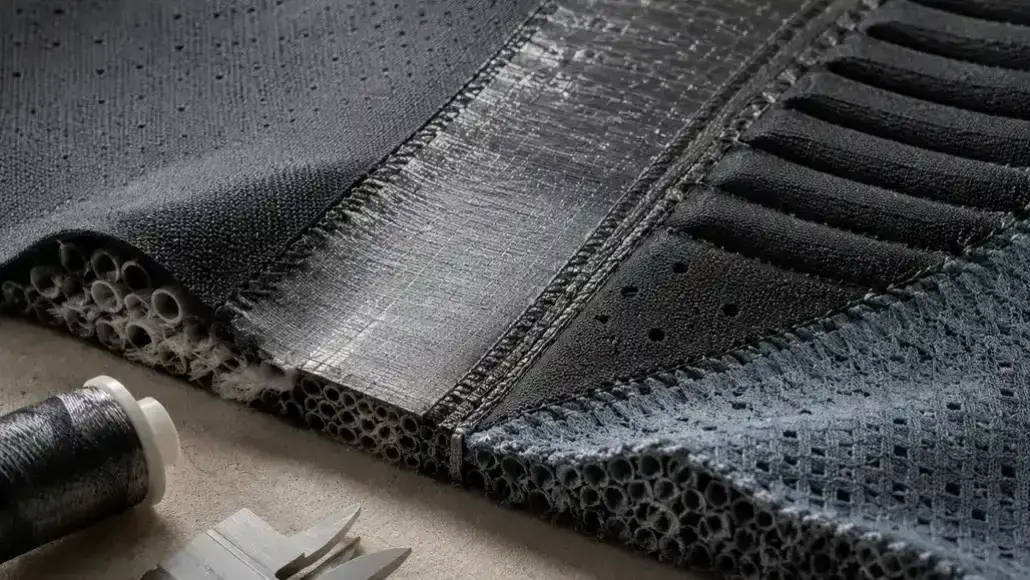
The trajectory of the global sportswear industry has always been inextricably linked to the evolution of material science, where each generation of athletes seeks gear that is lighter, stronger, and more responsive. Today, we are witnessing a paradigm shift driven by high performance fibers that are pushing the boundaries of what is possible in technical apparel. These advanced materials are no longer just about covering the body; they are being engineered at the molecular level to interact with the wearer’s physiology and the external environment. From ultra-tenacity polymers used in extreme conditions to bio-responsive yarns that manage thermal energy, the fibers of the future are transforming sportswear into a dynamic tool for performance enhancement. As we look toward the next decade, the focus is squarely on creating a synergy between high-tech functionality and sustainable material innovation, ensuring that the athletes of tomorrow are powered by the most advanced textiles ever created.
The demand for high performance fibers is driven by the professional sports world’s obsession with “marginal gains,” where even a fractional improvement in aerodynamics or weight can be the difference between a gold medal and fourth place. However, these innovations are also rapidly trickling down to the mass market, as everyday fitness enthusiasts seek the comfort and durability that only advanced textiles can provide. This widespread adoption is fueling a wave of investment in fiber research, leading to a new era of “intelligent” materials that can sense, react, and adapt to the needs of the wearer. The future of sportswear is thus not just about the design of the garment, but about the inherent intelligence of the fibers from which it is constructed.
The Engineering of Ultra-Lightweight and Durable Polymers
The primary demand in modern sportswear is the optimization of the strength-to-weight ratio. Athletes require fabrics that can withstand intense physical stress such as the high speeds of downhill skiing or the extreme friction of track cycling without adding unnecessary bulk or restriction. High performance fibers such as liquid crystal polymers, advanced aramids, and ultra-high-molecular-weight polyethylene (UHMWPE) are being adapted from industrial and aerospace applications to meet these needs. These fibers offer tensile strengths that are many times higher than steel while remaining incredibly light. This allows for the creation of razor-thin fabrics that are virtually tear-proof and provide a level of protection that was previously only possible with much heavier materials.
The engineering of these polymers involves a precise orientation of the molecular chains, which gives the fibers their exceptional stability and resistance to abrasion. In footwear, these fibers are being used to create knitted uppers that provide a locked-in fit with almost zero weight. In apparel, they allow for the development of “protective skins” that safeguard athletes from road rash or impact injuries during high-speed crashes. The challenge for researchers is to balance this extreme strength with the flexibility and “hand-feel” required for comfortable sportswear. Recent breakthroughs in fiber spinning and weaving are making these ultra-strong materials more pliable, ensuring that the athlete remains protected without feeling encumbered by their gear. High performance fibers are thus the silent protectors of the modern athlete, providing a level of security that allows them to push their limits with confidence.
Advancing Thermal Regulation and Moisture Management
One of the most critical functions of high performance fibers is the management of the body’s microclimate during intense exertion. Traditional moisture-wicking fabrics rely on capillary action to move sweat away from the skin, but the next generation of fibers is taking this a step further through “dynamic” thermal regulation. We are now seeing the development of “smart” fibers that can change their physical state or porosity in response to changes in skin temperature or humidity. For example, some advanced cellulose-based fibers can expand when wet, opening up the weave of the fabric to increase airflow and accelerate evaporative cooling when the athlete is sweating most heavily.
Conversely, in colder conditions, fibers with hollow-core structures or embedded phase-change materials (PCMs) are used to trap air and provide superior insulation. These PCMs can absorb, store, and release thermal energy, helping to maintain a consistent body temperature during periods of alternating activity and rest. This level of adaptive thermal regulation is essential for endurance athletes who may experience wide swings in external conditions over several hours of competition. By reducing the metabolic cost of maintaining homeostatic temperature, high performance fibers allow the athlete to direct more energy toward their physical output, directly contributing to improved performance and endurance. The goal is to create a garment that acts as a “second skin” that perfectly mediates the relationship between the body and its environment.
Integrating Elasticity and Targeted Support
Beyond weight and temperature, the role of high performance fibers in biomechanical support is becoming increasingly sophisticated. The latest innovations in elastomeric fibers popularly known as spandex or elastane are focusing on “tuned” elasticity and superior recovery. Instead of a uniform stretch across the entire garment, designers are using advanced 3D knitting and mapping technologies to place different types of high performance fibers in strategic zones. This allows for targeted compression that supports specific muscle groups, reduces muscle oscillation, and enhances blood flow without restricting the athlete’s natural range of motion.
This “zonal” support is particularly valuable for injury prevention and recovery. By providing extra stabilization to joints like the knees or ankles through the fabric itself, manufacturers can reduce the need for external braces or tape. Some experimental fibers are even being developed with “shape memory” properties, allowing the garment to stiffen or provide more support during high-impact movements and then relax during low-intensity phases. This intelligent application of fiber technology ensures that the apparel works in harmony with the wearer’s muscles and joints, optimizing every movement and providing a level of technical support that was previously unimaginable in a soft textile. High performance fibers are thus evolving into a form of “wearable biomechanics” that enhances the human body’s natural capabilities.
Graphene and Carbon Nanotube Enhancements
The integration of nanomaterials like graphene and carbon nanotubes into high performance fibers is opening up a whole new realm of functional possibilities. Graphene, a single layer of carbon atoms, is not only the strongest material ever tested but also an incredible conductor of heat and electricity. When infused into textile fibers, it can provide exceptional thermal conductivity, helping to distribute body heat evenly across the garment and eliminate “hot spots.” It also provides natural antimicrobial properties and extreme durability without adding any significant weight.
Carbon nanotubes are being explored for their ability to create fibers that can sense strain and movement. These “piezoresistive” fibers can change their electrical resistance when stretched, allowing the garment to act as a built-in sensor that tracks an athlete’s posture and form. This data can be used for real-time coaching or for analyzing the efficiency of a specific movement. The challenge remains in the cost and scalability of these nanomaterials, but as production techniques improve, we can expect to see graphene-enhanced sportswear becoming more common. These materials represent the ultimate frontier of fiber engineering, where the very atoms of the fabric are arranged to provide a level of performance that nature alone cannot match.
The Sustainability Revolution in Technical Textiles
While performance remains the primary goal, the industry is undergoing a necessary transformation toward sustainable high performance fibers. The challenge has always been to achieve elite-level technical metrics using recycled or bio-based inputs. Recent breakthroughs are proving that this is not only possible but increasingly efficient. We are now seeing high-tenacity yarns made from 100% post-consumer recycled ocean plastics and bio-based nylons derived from castor beans or sugarcane that match the performance of their virgin counterparts. These materials offer a significant reduction in carbon footprint without requiring any compromise in athletic excellence.
Furthermore, the development of solution-dyeing techniques for these fibers is significantly reducing water and chemical usage during the manufacturing process. By adding the color to the polymer melt before the fiber is spun, manufacturers can create fabrics that are incredibly colorfast and resistant to UV degradation, further extending the garment’s lifespan. This shift toward “green” technical textiles is essential for the long-term viability of the industry, as both athletes and regulatory bodies demand products that protect the environments in which we play and compete. High performance fibers are thus proving that the peak of human achievement and the protection of the planet are not mutually exclusive goals, but rather two sides of the same innovative coin.
Impact of Fiber Innovation on Professional Sport
The adoption of high performance fibers is most visible at the highest levels of professional sport, where even a one percent gain in efficiency can determine a career-defining victory. In swimming, the use of hydrophobic fibers that minimize drag has been a primary driver of world-record-breaking performances. In professional cycling, aerodynamic kits made with specialized “textured” fibers help to reduce air resistance, allowing riders to maintain higher speeds with less effort. This “technological edge” highlights the immense power of fiber innovation to redefine human limits and push the boundaries of what the human body can achieve.
However, the impact of these fibers goes beyond just speed and power. They also play a vital role in athlete comfort and mental focus. A runner who is not distracted by chafing or a cyclist who is not suffering from heat exhaustion can maintain a higher level of focus for a longer period. High performance fibers are thus as much about psychology as they are about physiology. By removing the physical barriers to performance, they allow the athlete’s talent and training to shine through. The result is a more pure and intense form of competition, where the gear is a seamless extension of the athlete’s own will and determination.
Future Horizons: Bio-Response and Smart Integration
The future of high performance fibers lies in the convergence of biology, electronics, and textile engineering. We are moving toward a world where fibers will not only sense the environment but also respond to it in real-time through autonomous feedback loops. This includes “energy-harvesting” fibers that can convert kinetic energy into electricity to power wearable sensors, or fibers coated with conductive polymers that can provide localized muscle stimulation to prevent cramping. The goal is to create a truly “living” garment that can support the athlete in every possible way.
Additionally, the exploration of lab-grown biological fibers, such as synthetic spider silk, offers a glimpse into a future of incredibly strong, lightweight, and fully biodegradable materials. These proteins can be “programmed” to have specific properties that are impossible to achieve with traditional chemistry. As these technologies mature, sportswear will evolve from a passive accessory into an active partner in the athlete’s journey, providing a seamless interface between the human body and the peak of physical potential. The ongoing evolution of high performance fibers will ensure that we continue to find new ways to run faster, jump higher, and push further than ever before, all while respecting the natural world that makes our movement possible.

