






















A new landscape analysis from the alliance known as Fibral indicates that plant-based materials are transitioning from niche sustainability discussions into the core of industrial planning. The report, titled “Alternative Plant Fibre Landscape Analysis: Between Tradition and Innovation,” highlights a sector that is expanding despite being characterized by fragmented infrastructure and limited market documentation. While interest is surging across the automotive, construction, and textile sectors, the industry faces significant hurdles in scaling to meet global demand.
According to the Fibral report, the global plant fiber production, excluding cotton, reached 5.9 million metric tons in 2023. This output represents a market valuation of approximately $3.8 billion. To put this in perspective, the total global fiber market stands at 124 million metric tons annually, a space currently dominated by synthetic materials and conventional cotton. Since its inception in 2022, Fibral has sought to address these disparities by fostering conditions for broader adoption of alternative plant fibers.
Market Trends and Production Data for Industrial Plant Fibers
The research conducted by the alliance covers 36 different types of industrial plant fibers, examining their journey from cultivation to processing. Data shows that production has risen steadily from 4.9 million metric tons in 2005 to the current 5.9 million. If investment and regulatory environments remain favorable, the Fibral report suggests that production could reach 8 million metric tons by the year 2035. However, recent growth has been impacted by global inflation and climate-related challenges affecting crop quality.
Within the market, specific categories show varying trajectories:
Jute and kenaf remain the largest categories, contributing 3 million metric tons per year. Coir production has held steady at 1 million metric tons. Hemp has demonstrated significant momentum, more than doubling its production volume during the study period, while flax has shown consistent gains. Conversely, ramie production has seen a sharp decline. Emerging materials like banana and pineapple leaf fibers are gaining traction, with Fibral identifying dozens of producers globally, though many small-scale operations remain unrecorded.
Challenges Facing the Textile Supply Chain
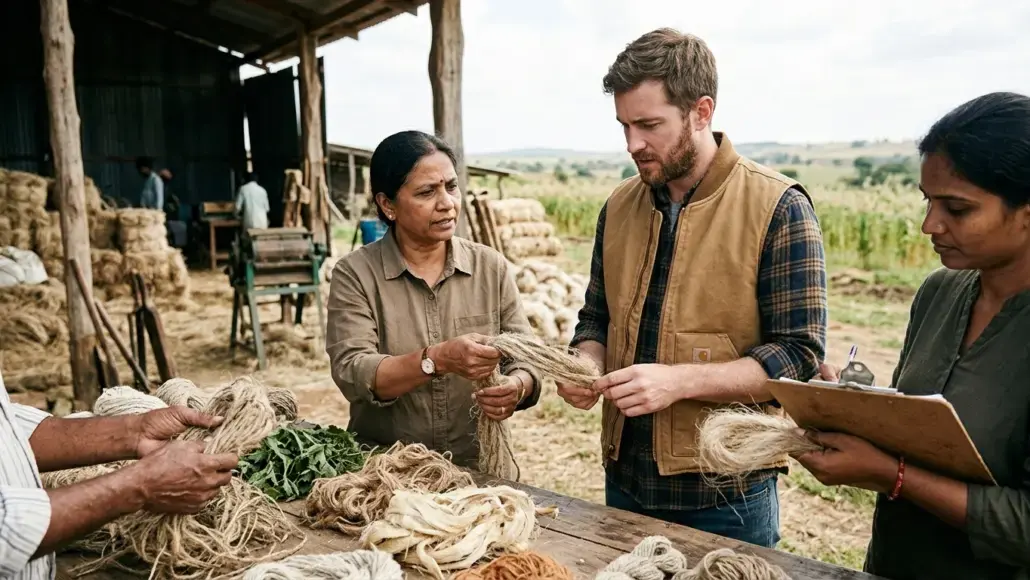
The economics of the sector reveal a complex landscape for the 11.9 million households involved in production, most of whom are smallholders in the Global South. Raw producer prices fluctuate significantly; coir may fetch 10 cents per kilogram, while pineapple leaf fiber can command between $7 and $10 per kilogram. These sustainable materials require more robust industrial coordination to ensure fair value distribution and stable market access.
Technical Barriers to Scaling Alternative Plant Fibers
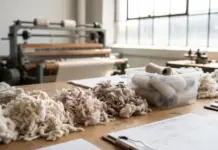
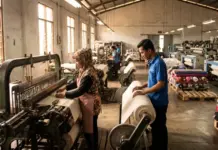
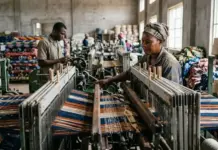
Integrating these materials into the existing textile supply chain remains a technical challenge. Many industrial plant fibers are naturally coarser and less elastic than traditional wool or cotton, which can lead to difficulties when using standard manufacturing machinery. To overcome these obstacles, producers are turning to cottonization and advanced blending techniques. However, the plant fiber production sector still requires significant investment in specialized processing equipment and transparent data systems to achieve commercial parity with dominant synthetics.
The alliance emphasizes that the future of alternative plant fibers depends on moving away from extractive models. Instead, the focus is shifting toward community-led development and the preservation of traditional ecological knowledge. By improving digital coordination and providing cooperative access to equipment, the industry aims to build a more resilient infrastructure that can support the growing demand for sustainable materials across various manufacturing applications.