
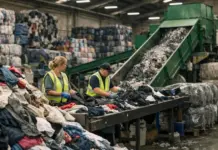



























The intersection of fashion and technology is accelerating the rise of e-textiles, yet this innovation brings a significant challenge regarding smart clothing waste. As garments featuring integrated sensors, heaters, and LEDs move toward the mass market, the industry faces the complex task of ensuring these items do not contribute to a growing mountain of difficult-to-recycle rubbish. Because these products blend traditional fabrics with electronic components, they fall into a regulatory grey area that complicates standard disposal and recovery processes.
The Challenge of Integrating Electronics into Apparel
The primary obstacle in e-textile recycling lies in the physical bond between the technology and the textile. Unlike traditional gadgets, where components can often be unscrewed or snapped apart, smart garments frequently have wires and sensors woven directly into the fibers or glued to the surface. This design makes it nearly impossible for existing textile recycling facilities to process the fabric without damaging their machinery or contaminating the recycled material. Conversely, electronics recyclers find the presence of large amounts of organic or synthetic fiber difficult to handle.
To address the risks associated with smart clothing waste, researchers and policymakers are focusing on the design phase. The goal is to create sustainable fashion tech that prioritizes “disassembly by design.” This approach ensures that at the end of a garment’s useful life, the electronic modules can be easily detached from the fabric, allowing both parts to enter their respective recycling streams. Without such intentional design, the rapid growth of this sector could lead to a surge in specialized waste that current infrastructure is unprepared to manage.
Implementing Circular Economy Laws for E-Textiles
Legislative frameworks are now being updated to keep pace with these technological shifts. The European Union’s Ecodesign for Sustainable Products Regulation is a cornerstone of this effort, aiming to enforce higher standards for durability and repairability. These circular economy laws are designed to ensure that products are not only built to last but are also easier to recover and reuse. By setting strict requirements on how products are manufactured, the regulations aim to mitigate the environmental footprint of the next generation of apparel.
A vital tool in this regulatory transition is the introduction of Digital Product Passports. These digital records provide transparent information about a product’s composition, origin, and instructions for dismantling. For recyclers, having access to this data is essential for identifying the specific materials used in sustainable fashion tech, such as conductive inks or rare earth metals in micro-sensors. This transparency allows for more efficient e-textile recycling and helps prevent hazardous materials from entering the environment.
Future-Proofing the Fashion Technology Sector
As the market for health-monitoring shirts and temperature-regulating jackets expands, the industry must adhere to a comprehensive smart clothing waste policy. The shift toward a more circular model requires collaboration between textile manufacturers and electronics engineers. By aligning with circular economy laws, companies can ensure that the convenience of wearable technology does not come at the expense of environmental stability.
The successful integration of Digital Product Passports will likely become a standard requirement for brands looking to operate in global markets. This system not only aids in waste management but also provides consumers with the data they need to make informed, eco-conscious purchasing decisions. Through these combined efforts of design innovation and legislative oversight, the fashion industry can navigate the complexities of electronic integration while maintaining a commitment to sustainability.