



























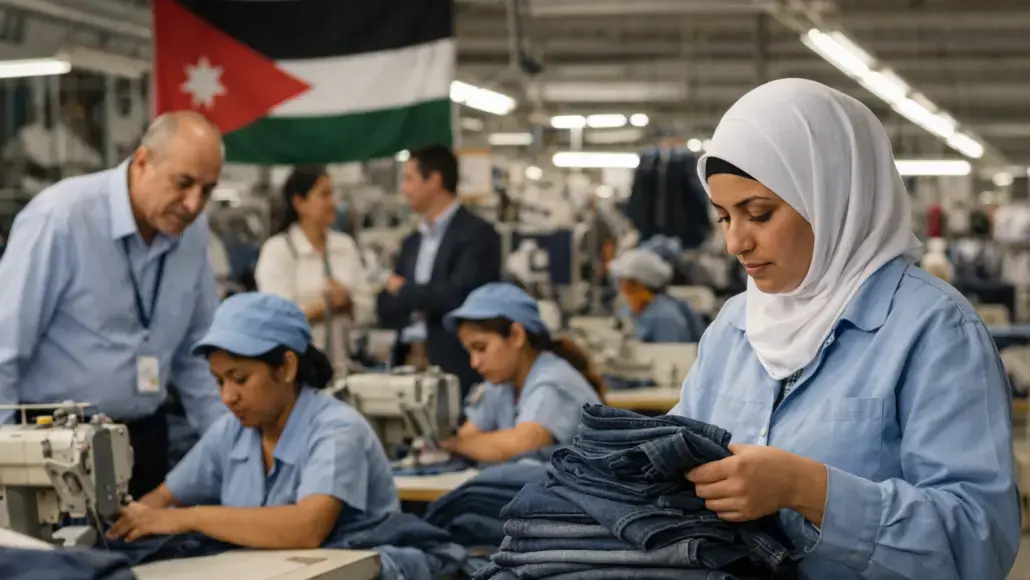
The Ministry of Labour has been officially tasked with finalizing the administrative procedures required for the approval of a vital industrial initiative. Since its inception in 2008, the Better Work programme has operated through a tripartite partnership involving the Ministry of Labour, the International Labour Organization, and the International Finance Corporation. This collaborative effort is designed to enhance labour standards while simultaneously bolstering the overall competitiveness of the Jordan garment industry on the global stage.
The decision to continue this initiative is expected to provide significant support to the Jordan export sector, which currently stands as a primary economic driver with annual overseas sales exceeding $2.4 billion. At present, the industry employs approximately 96,000 workers across more than 1,000 established manufacturing units. According to Ihab Qadri, the leather and garment industries sector representative at the Jordan Chamber of Industry, the adherence to high labour standards and transparency is increasingly vital as these factors directly influence the sourcing and investment strategies of international buyers.
Strengthening Market Confidence and Industrial Reach
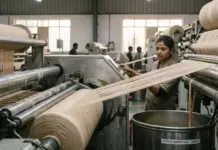
Qadri noted that the ongoing implementation of the Better Work programme serves to reinforce international confidence in Jordanian manufacturing. By maintaining a close partnership with the International Labour Organization, the sector can effectively mitigate risks for investors and preserve its reputable standing among global customers. Furthermore, this framework facilitates the expansion of local value chains into diverse segments, including textiles, carpets, rugs, bags, and home furnishings.
The strategic objectives for the Jordan export sector are outlined within the Economic Modernization Vision, which sets ambitious targets for production and growth. The vision aims to elevate total exports to approximately $5.5 billion and attract JD3.1 billion in fresh investment. Additionally, the plan seeks to expand the workforce to a total of 149,000 jobs throughout the implementation period of the national vision.
Strategic Implementation and Local Value Addition
To achieve these goals, the Jordan garment industry must focus on translating its current preferential market access into increased domestic production. Qadri stated that the next phase of development should emphasize the strengthening of links between the Jordan export sector and local industries. By focusing on higher domestic value addition and maximizing government support, the industry intends to create sustainable employment opportunities for Jordanian citizens and ensure long-term stability in manufacturing.