























Georgia Tech has officially joined a new 10-year Department of War initiative designed to modernize US textile manufacturing and bolster the national defense industry. The program, known as the FutureTEX project, is slated to invest up to $480 million over the next decade. The initiative launches with an initial $36 million in its first year, bringing together a coalition of university, government, industry, and nonprofit partners to enhance defense textile production.
Advancing National Security Through Georgia Tech Research
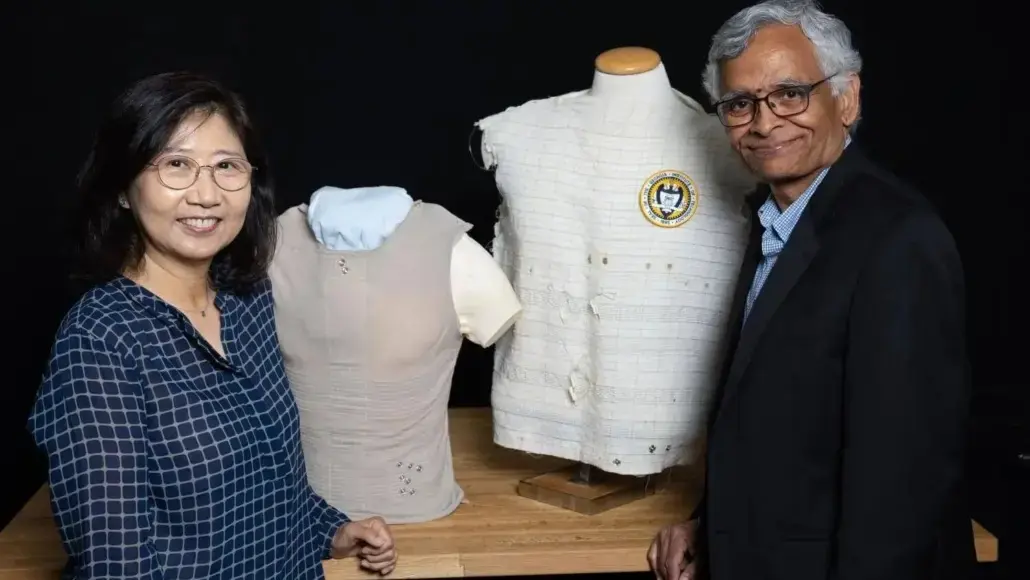
Researchers Sundaresan Jayaraman and Sungmee Park from the School of Materials Science and Engineering (MSE) will spearhead the Georgia Tech research efforts within this framework. Their primary focus involves collaborating with American manufacturers to leverage digital infrastructure and other forms of advanced manufacturing technology. This collaboration aims to ensure a more robust domestic supply network for both military and domestic applications.
According to Tim Lieuwen, executive vice president for Research, the FutureTEX project represents a commitment to national security and economic resilience. The institution intends to apply interdisciplinary expertise to develop a technology-driven domestic supply network capable of protecting soldiers while simultaneously strengthening the broader economy.
Addressing the Decline in Domestic Production Capabilities
The initiative comes at a critical time for US textile manufacturing. While approximately 70% of clothing purchased in the United States was domestically produced in 1985, that figure has since declined to 3% due to globalization and labor costs. Despite this shift, federal regulations mandate that all military clothing and textiles be produced within the United States.
Professor Jayaraman emphasizes that the loss of these specialized skills poses a risk to national security. He noted that the ability to quickly produce critical equipment for soldiers is dependent on maintaining a base of manufacturing expertise. His previous work with the Pentagon involved building foundations for agile supply chains and exploring how advanced manufacturing technology, such as artificial intelligence and enterprise modeling, could improve procurement and efficiency.
Integrated Technical Expertise and Campus Collaboration
Georgia Tech will utilize its wide-ranging internal expertise to support the FutureTEX project. The MSE will serve as the central hub, integrating resources from the Georgia Tech Manufacturing Institute, the Supply Chain and Logistics Institute, and the Institute for Robotics and Intelligent Machines.
Principal research scientist Sungmee Park highlighted that the institution is uniquely positioned due to its focus on smart textiles, automation, and advanced materials. This Georgia Tech research will also intersect with public policy and business strategies to create a modern manufacturing ecosystem.
Strategic Goals for Long-Term Industrial Resilience
The FutureTEX partners plan to conduct thorough assessments of current suppliers to identify their automation levels and specific capabilities. This data will allow government agencies to identify which manufacturers can produce materials during periods of high demand or national emergencies.
- The project aims to balance immediate results with a long-term vision for the industry.
- Efforts will focus on high-tech manufacturing rather than labor-intensive methods of the past.
- The scope of defense textile production includes items beyond apparel, such as drone composites, parachutes, and carpets.
Ultimately, the revitalization of US textile manufacturing is intended to create a stronger future for the sector. By bringing advanced manufacturing technology back to the country, the initiative seeks to train a new workforce and ensure the United States remains globally competitive for future generations.