




























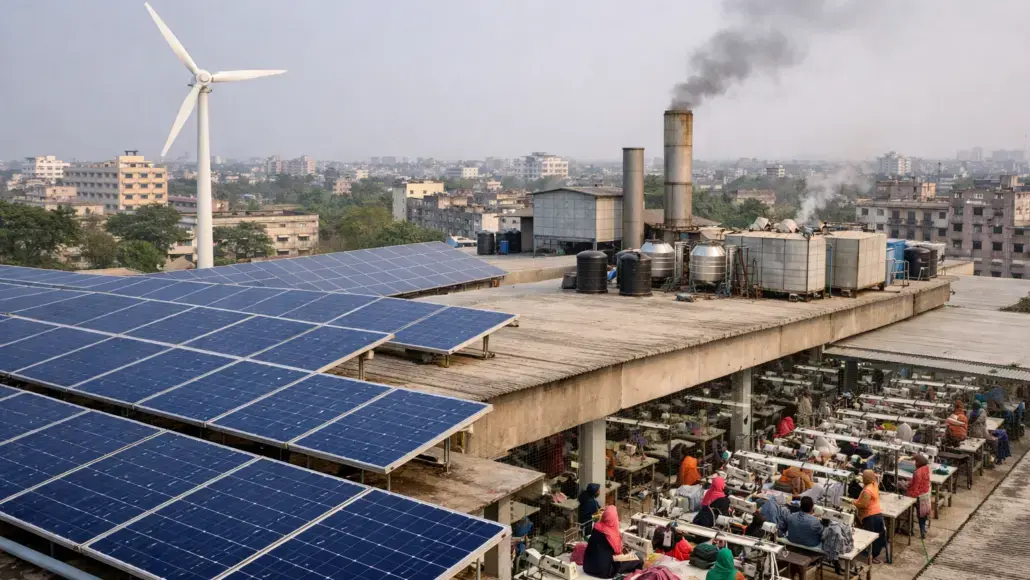
The Centre for Policy Dialogue (CPD) has released a study indicating that a transition toward renewable energy sources could significantly decrease operational expenses for the apparel sector in Bangladesh. According to the findings presented by the local think tank, achieving clean energy power savings is viable, with the potential to reduce electricity expenses by approximately 15% for a typical garment factory.
During a recent dialogue titled “Investment in Renewable Energy in the RMG Sector,” Dr. Fahmida Khatun, Executive Director of CPD, emphasized that the shift is no longer just an environmental choice but a financial necessity. As global brands increasingly demand a sustainable textile supply chain, domestic manufacturers are looking toward solar power to meet these green requirements while simultaneously managing rising power costs.
Financial and Policy Drivers for Solar Adoption
The research suggests that rooftop solar power installations are currently the most feasible path for many manufacturers. By utilizing available roof space, a garment factory can generate a substantial portion of its own electricity. This decentralization of energy production offers a buffer against fluctuating utility rates and reduces the overall power costs associated with high-intensity manufacturing.
However, the study also identified several barriers that hinder a faster rollout of clean energy solutions. High import duties on essential equipment and limitations within the current net metering guidelines were cited as significant hurdles. Dr. Khatun noted that for the industry to realize the full extent of clean energy power savings, the government needs to provide more favorable fiscal incentives and streamline the regulatory framework for grid integration.
Aligning with Global Green Manufacturing Standards
International buyers are setting rigorous targets for carbon neutrality, making the adoption of clean energy a critical factor for staying competitive in the global market. The CPD study highlights that the transition to a sustainable textile production model will not only help in retaining these buyers but also ensure long-term energy security for the nation.
To facilitate this transition, the report recommends a reduction in the current tax burdens on renewable energy technology. By lowering these initial investment barriers, the industry can more effectively combat rising power costs and secure a more resilient future for the apparel sector through increased reliance on green technology.

