


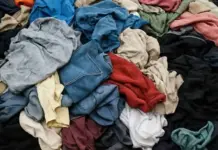
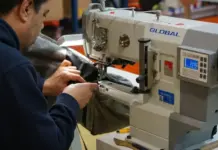
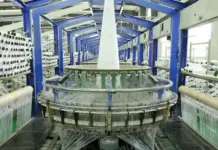


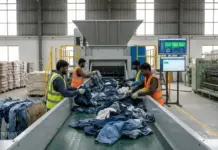



















In a move to modernize the garment sector, the governments of Bangladesh and the Netherlands have officially signed a Memorandum of Understanding (MoU) focused on promoting circular economy in textiles. The agreement aims to foster collaboration in several critical areas, including resource efficiency throughout the production line, waste reduction, and the implementation of recycling initiatives.
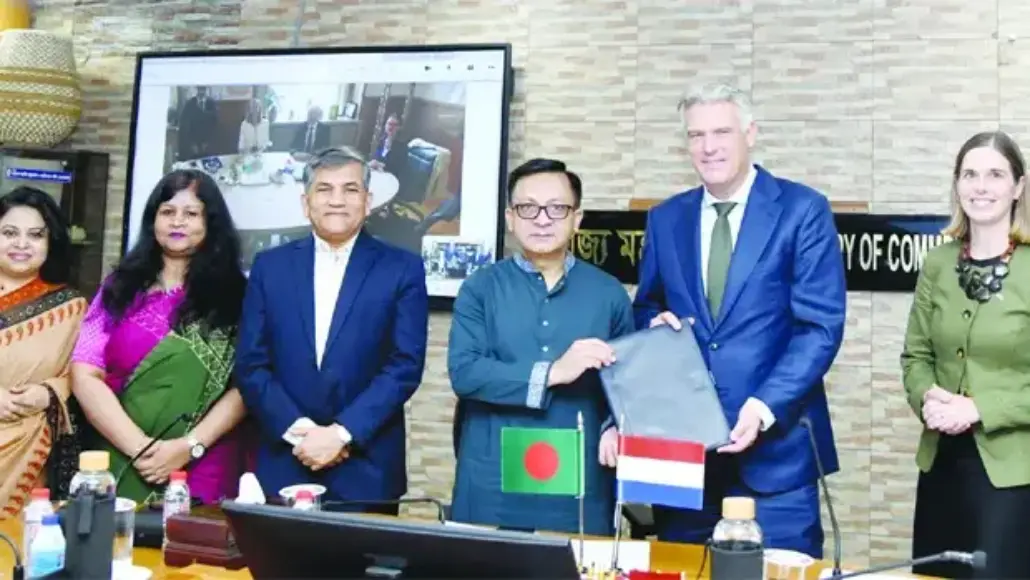
The virtual signing ceremony, held on Monday in Dhaka, featured Bangladesh Commerce Minister Khandaker Abdul Muktadir and the Netherlands Minister for Climate and Green Growth, Stientje van Veldhoven. This partnership is designed to strengthen green industrialization and establish more resilient production systems within the country’s readymade garment sector.
Strategic Integration of the Textile Supply Chain
During the ceremony, Commerce Minister Khandaker Abdul Muktadir emphasized that adopting sustainable textiles and circular practices has become an urgent necessity for the global industry. He noted that because the nation’s textile supply chain is deeply integrated into the global market, international cooperation is essential to maintain a competitive edge.
The Minister highlighted that the Netherlands has long served as a vital development partner in sectors ranging from logistics to sustainable industrial development. He described the MoU as a significant milestone in transitioning the partnership toward a future-oriented economy. Beyond environmental protection, he stated that a circular approach is directly linked to the long-term competitiveness of the export sector, ensuring the optimum use of resources and the creation of green jobs to meet international demands.
Multi-Stakeholder Efforts and Global Cooperation
As Bangladesh prepares to graduate from the Least Developed Country (LDC) category, the Minister noted that the transition to circular economy in textiles cannot be achieved by a single entity. It requires the coordinated efforts of government bodies, financial institutions, industries, and research organizations. The MoU specifically focuses on knowledge sharing to facilitate the structural changes needed for sustainable textiles and green industrialization.
Dutch Minister Stientje van Veldhoven echoed these sentiments, stressing that the expansion of circular practices is an urgent global priority that no nation can tackle in isolation. She called for coordinated initiatives across the entire textile supply chain and expressed a strong interest in translating bilateral discussions into concrete actions. Van Veldhoven also noted the importance of the two nations working together in international forums to make their partnership more result-oriented.
The ceremony concluded with the participation of several high-ranking officials, including Commerce Ministry Secretary Md Ataur Rahman Khan, Bangladesh Ambassador to the Netherlands Faiyaz Murshid Kazi, and Dutch Ambassador to Bangladesh Joris van Bommel. The agreement is expected to significantly improve resource efficiency and waste management standards within the national garment sector.

