











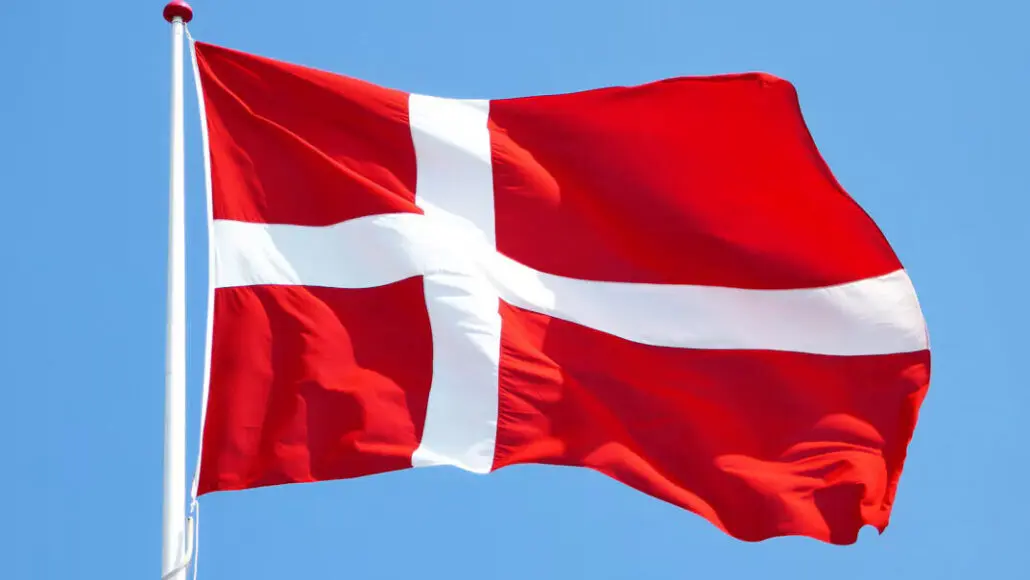
Denmark has announced a comprehensive three-year action plan aimed at supporting its textile and fashion industry through a period of significant structural and environmental change. The initiative reflects the Danish government’s commitment to guiding one of its key creative industries toward greater sustainability and circularity.
The plan, which brings together stakeholders from across the Danish fashion and textile ecosystem, is designed to address the mounting pressures that the sector faces — from evolving European Union regulations to growing consumer demand for responsible production practices. The Denmark textile transition plan outlines a structured roadmap intended to help businesses adapt, innovate, and remain competitive in an increasingly sustainability-driven global market.
A Collaborative Framework for Change
The action plan has been developed in close coordination between the Danish government and industry representatives, signalling a joint effort rather than a top-down regulatory push. The initiative is built on the understanding that the textile sector’s shift toward sustainability cannot happen in isolation and requires active collaboration between public institutions, brands, manufacturers, and other stakeholders.
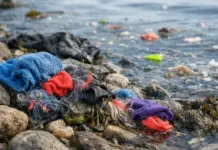
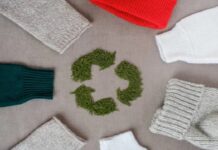
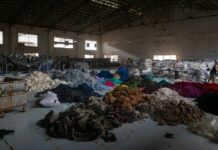
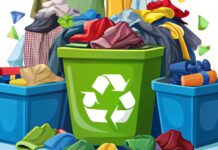
Central to the plan is the goal of strengthening the circular textile economy in Denmark. This includes efforts to improve textile collection, sorting, and recycling infrastructure — areas that have been identified as critical bottlenecks in achieving meaningful circularity across the industry. Denmark’s textile sector support framework is expected to channel resources and guidance into these areas over the course of three years.
Addressing EU Regulatory Pressures
A driving force behind the plan is the wave of new European Union legislation affecting the textile and fashion industry. Regulations related to extended producer responsibility, eco-design requirements, and mandatory sustainability disclosures are reshaping the landscape for Danish fashion businesses. The three-year plan is positioned to help companies understand and comply with these incoming rules while remaining operationally agile.
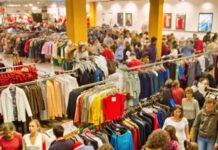
The Danish fashion industry, which includes a number of internationally recognised brands and a robust domestic design culture, faces the dual challenge of maintaining creative and commercial momentum while pivoting toward more responsible business models. The action plan is intended to provide the tools, knowledge, and support structures needed to manage this transition effectively.
Focus on Sustainability and Circularity
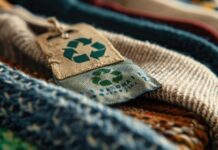
Sustainability is at the heart of the Denmark textile transition plan. The agenda emphasises reducing the environmental footprint of textile production and consumption, promoting longer product lifespans, and encouraging the development of new business models such as rental, repair, and resale. These priorities are aligned with broader European and global sustainability goals that are increasingly shaping trade, regulation, and consumer behaviour.
The plan also focuses on upskilling and knowledge sharing within the sector, ensuring that businesses of all sizes — from large retailers to small independent labels — have access to guidance and expertise. Supporting sustainable fashion in Denmark is framed not just as an environmental obligation but as an economic opportunity, with the potential to position Danish companies as leaders in the global shift toward responsible fashion.
Industry Response and Next Steps
The announcement has been received as a constructive step by those within the Danish textile and fashion community. The collaborative nature of the plan, developed with meaningful input from the industry, is seen as a strength that could improve its effectiveness in delivering real change on the ground.
Over the three-year period, the plan will be monitored and evaluated, with scope for adjustments based on industry feedback and evolving regulatory requirements. The Danish government’s investment in the textile sector’s future through this structured support plan underscores its recognition of the industry’s economic and cultural value, as well as the urgency of aligning it with sustainability imperatives.
The circular textile economy goals embedded in the plan are expected to require sustained effort and investment, but the roadmap provides a clear starting point for a sector navigating one of its most complex periods of transformation.