


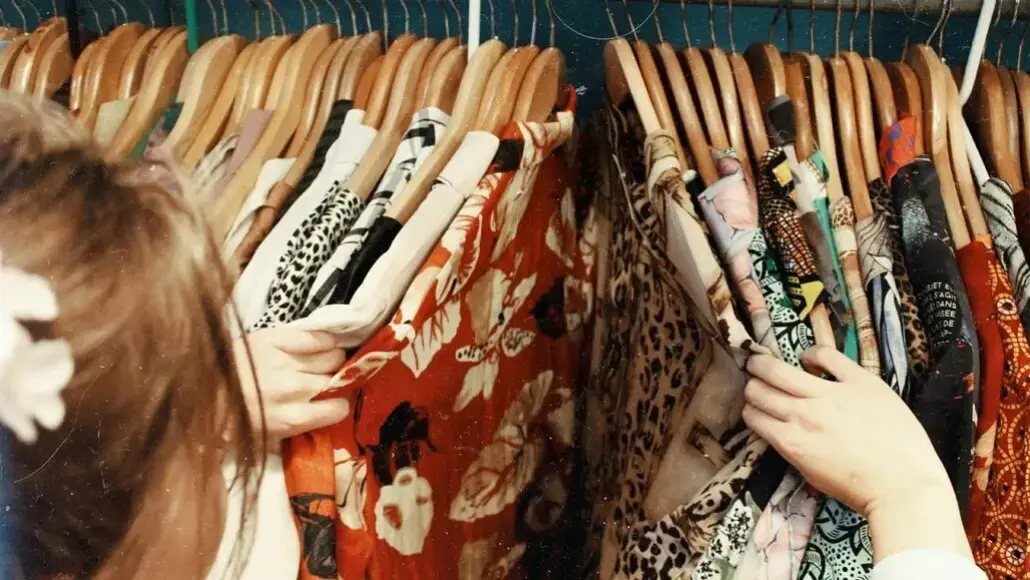
The apparel resale market is on a remarkable growth trajectory, with projections indicating it will add approximately $144 billion in value by 2030. As consumer preferences evolve and sustainability becomes an increasingly important factor in purchasing decisions, the secondhand fashion segment is gaining significant ground across global retail.
A Market Gaining Unstoppable Momentum
The apparel resale market has expanded at a pace far outstripping that of traditional retail in recent years. According to data cited in the report, the resale segment is growing roughly 11 times faster than the broader apparel retail market. This growth is not incidental — it reflects a broader structural shift in how consumers, particularly younger demographics, choose to engage with fashion.
Platforms dedicated to fashion resale have played a central role in driving this transition, making it easier than ever for buyers and sellers to exchange pre-owned clothing at scale. The convenience of digital resale channels has lowered the barrier to participation, pulling in a wider audience that now views secondhand shopping not as a compromise, but as a preferred choice.
Sustainability as a Driving Force
One of the most consistent themes underpinning the rise of the apparel resale market is sustainability. Growing awareness of the environmental cost of fast fashion — from textile waste to carbon emissions — has pushed consumers toward more conscious purchasing behaviors. Buying secondhand fashion is increasingly positioned as an eco-responsible alternative to buying new, and this narrative has resonated strongly with environmentally aware shoppers.
This shift is not limited to individual consumers. Brands and retailers are also responding to these changing preferences, with several mainstream fashion labels now launching or partnering with resale platforms to offer pre-owned versions of their own products. The integration of resale into mainstream retail further legitimizes the category and broadens its reach.
Resale Platforms and the Digital Shift
The growth of fashion resale has been closely tied to the proliferation of dedicated resale platforms. These platforms have streamlined the buying and selling of pre-owned apparel, offering authentication services, logistics support, and user-friendly interfaces that have transformed what was once a fragmented, informal market into an organized and scalable industry.
The apparel resale market’s digital foundation means it is well-positioned to continue growing as e-commerce adoption deepens globally. Mobile-first shopping behavior, combined with social media influence, has further accelerated discovery and purchase of secondhand fashion items, particularly among millennial and Gen Z consumers.
Regional and Category Trends
While the apparel resale market is a global phenomenon, growth is particularly notable in North America and Europe, where the secondhand fashion culture has matured most rapidly. Luxury and premium apparel categories have been among the strongest performers within resale, as consumers seek access to high-quality items at reduced prices while sellers look to recoup value from wardrobe investments.
Sportswear, denim, and outerwear have also performed strongly in the resale segment, reflecting their durability and enduring demand. The breadth of categories now represented in the secondhand fashion market underscores how mainstream resale has become.
What the $144 Billion Projection Means for the Industry
The projection of $144 billion in added value by 2030 signals that the apparel resale market is no longer a niche corner of retail. It represents a substantial and growing portion of the global fashion economy. For brands, retailers, and investors, this trajectory points to real commercial opportunity within the secondhand fashion space.
As the apparel resale market continues to mature, stakeholders across the value chain — from textile manufacturers to logistics providers and technology platforms — are increasingly looking at how to align with or participate in this expanding segment. The convergence of sustainability values, digital infrastructure, and changing consumer behavior has created a durable foundation for the fashion resale growth story to continue through the decade.