


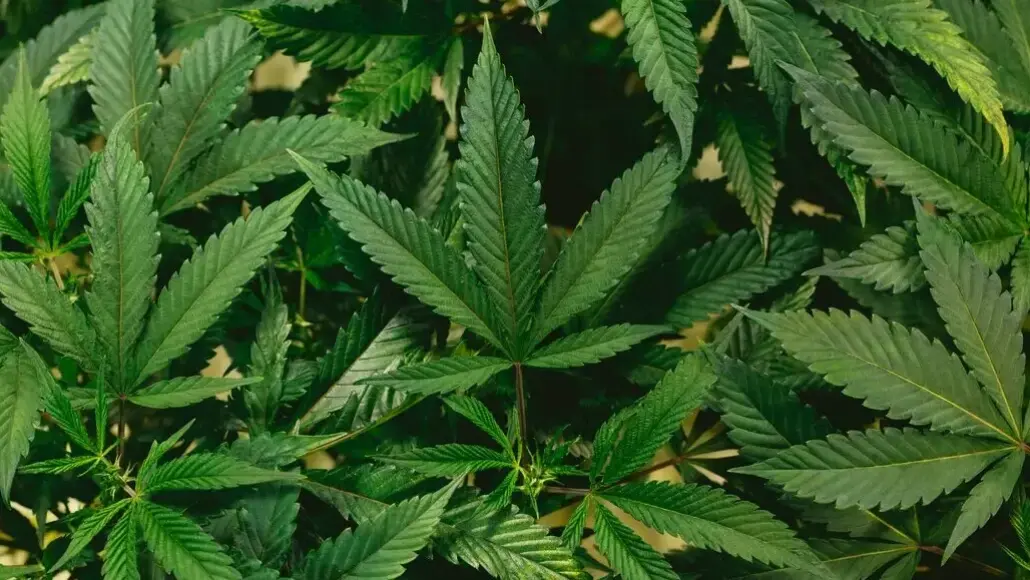
Sweden has committed approximately $15 million to a series of hemp projects aimed at converting hemp stalks into usable materials for textiles and construction. The funding reflects a growing national interest in developing domestic industrial hemp value chains, with efforts spread across research institutions, agricultural enterprises, and processing facilities.
The Swedish hemp projects are part of a broader push to establish viable commercial pathways for hemp fiber and hurds — the woody core of the stalk — which have historically been underutilized despite their considerable material potential. Through these investments, Sweden is actively working to close the gap between raw hemp cultivation and finished product development.
Turning Hemp Fiber into Textiles
A significant portion of the Swedish hemp funding is directed toward textile applications. Researchers and industry partners are exploring how to process hemp fiber into fabrics suitable for clothing and other textile goods. The challenge has long been in refining the coarse nature of hemp fiber to meet modern textile standards, and several of the funded hemp projects are specifically focused on this processing challenge.
Swedish institutions involved in these textile-focused efforts are working to develop retting and fiber separation techniques that can be scaled for commercial use. The goal is to establish Sweden as a capable producer of hemp-based textiles from domestic raw material, reducing reliance on imported fibers.
Hemp Construction Materials on the Rise
Beyond textiles, sustainable hemp is finding growing application in the construction sector. Several of the Swedish hemp projects target the use of hemp hurds — combined with lime or other binders — to create insulation panels, blocks, and wall-fill materials. These hempcrete-style applications are gaining attention in Sweden for their thermal performance and low carbon footprint.
Hemp construction materials are being evaluated not only for new builds but also for use in retrofitting older structures, particularly in the context of Sweden’s energy efficiency goals. The funded projects include both laboratory-level research and pilot-scale production efforts to validate the performance of hemp-based building products under Swedish climate conditions.
Agricultural and Processing Infrastructure
A key focus of the Swedish hemp investment is building out the agricultural and processing infrastructure needed to support a functioning hemp supply chain. Several hemp projects are addressing the shortage of domestic processing capacity — particularly for fiber decortication — which has been a persistent bottleneck in European hemp markets.
Farmers participating in the funded programs are being supported in adopting hemp cultivation practices suited to Swedish growing conditions, while processors are receiving backing to install or upgrade equipment capable of handling hemp at commercial volumes. This dual focus on farming and processing is intended to create a more resilient and self-sustaining Swedish hemp sector.
Research Collaboration and Knowledge Building
A number of the Sweden hemp projects involve collaboration between universities, research institutes, and private sector partners. These partnerships are structured to generate knowledge that can be shared across the Swedish hemp industry, with outputs including technical reports, process documentation, and product prototypes.
The collaborative model is seen as important for accelerating development in a sector where commercial know-how remains limited and where technical barriers — from seed variety selection to fiber quality control — still require systematic study. Sustainable hemp innovation in Sweden is thus being approached as both an industrial and a scientific challenge.
Positioning Sweden in the European Hemp Landscape
Sweden’s $15 million commitment to hemp projects places the country among a growing group of European nations investing in domestic hemp value chains. With both textile and construction applications under development, the country is working to demonstrate that hemp stalks — often discarded or left in fields — can serve as the foundation for a range of commercially relevant materials.
The Swedish hemp projects, taken together, represent a coordinated effort to move the sector beyond isolated pilots and toward scalable, market-ready production — with sustainable hemp at the center of the country’s material innovation agenda.