






























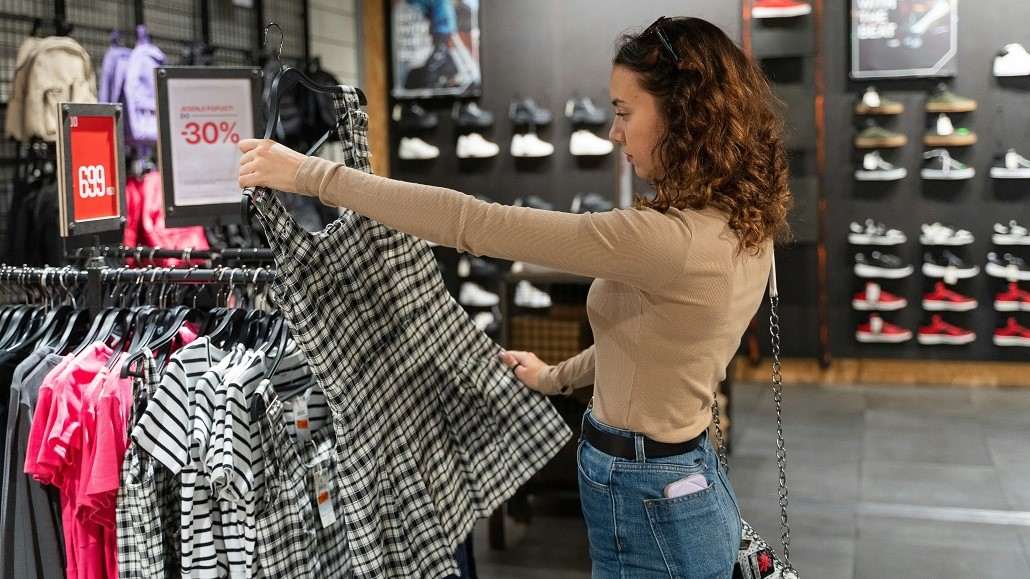

UK consumers are rethinking how they buy clothes, shifting away from quick, trend-led purchases and toward pieces that justify their price over time. New research commissioned by payments network Affirm suggests the cost-of-living squeeze is accelerating a more deliberate approach to wardrobe building one increasingly shaped by cost per wear fashion thinking, where value is judged by longevity and frequency of use rather than the number on the label.
The study found that 70% of UK adults now factor “cost-per-wear” into clothing decisions, and 44% say they plan purchases carefully to curb impulse buying. Together, those results point to a market that is becoming more strategic, with durability, versatility and long-term satisfaction rising in importance.
Younger shoppers are driving much of the change. Among consumers aged 25–34, 79% said cost-per-wear influences what they buy, signalling a strong preference for purchases that earn their place in regular rotation. This group is also more likely to prioritise build quality: 36% said they value materials and craftsmanship ahead of upfront cost, suggesting they are willing to pay more when a garment’s construction and feel indicate it will last.
The pattern supports growing interest in so-called “investment wardrobes,” where shoppers focus on fewer, better garments rather than frequent low-cost updates. While this behaviour can align with sustainability goals, the research indicates it is also rooted in everyday budgeting and a desire to avoid regret purchases especially as discretionary spending becomes tighter.
Payment flexibility is emerging as another factor shaping buying decisions, particularly for higher-value items. Affirm’s research found that 19% of UK consumers use flexible payment options to plan bigger purchases, rising to 27% among 25–34-year-olds. As cost per wear fashion becomes a more common way to assess value, flexible and transparent payment methods may help consumers feel comfortable stepping up to higher-quality items without losing control of monthly finances.
Checkout payment choice is increasingly influencing where people shop. Around 40% of respondents said they would be willing to compare retailers based on the payment options available, indicating that flexible payments are becoming a meaningful point of differentiation.
Industry data also shows how closely fashion is tied to alternative payment methods. UK Finance figures indicate that fashion accounts for 46% of buy now pay later purchases, making it one of the largest categories in the BNPL market.
As shopping habits become more intentional, retailers that offer flexible payment options may see loyalty benefits. The survey found 25% of consumers view brands with flexible payments as more convenient, and 23% said they would be more likely to shop with those brands again. Among 25–34-year-olds, nearly 30% said they would be more likely to return, while 22% said a lack of payment choice at checkout would negatively affect their perception of a brand.
Ruth Spratt, UK country manager at Affirm, said: “We’re seeing a real shift in how people think about fashion. Instead of chasing trends, UK shoppers are increasingly focusing more on cost-per-wear, sustainability and long-term value, not just the price on a label.
“As people continue to move towards forever fashion, flexible and transparent payment options can give consumers the confidence to invest in pieces they truly love, while staying in control of their finances.”