






























Rising geopolitical tensions between the United States and Iran could have far-reaching consequences for industries far beyond the battlefield. Among the sectors most vulnerable to such instability is the global textile and apparel industry. Experts warn that if tensions escalate into a full-scale conflict, the US-Iran war impact on textile production costs could be significant, potentially pushing manufacturing expenses higher by as much as 10–15 percent worldwide.
The textile industry operates through a deeply interconnected global supply chain, and it relies heavily on energy, petrochemicals and international shipping networks. Any disruption affecting these elements tends to ripple across the entire value chain—from fibre producers and textile mills to garment manufacturers and retailers. A conflict in the Middle East, one of the world’s most critical energy hubs, could therefore trigger widespread cost pressures throughout the industry.
Oil Prices: A Key Driver of Textile Costs
One of the most immediate consequences of geopolitical conflict in the Middle East is volatility in crude oil prices. The region accounts for a large share of global oil production, and even the possibility of supply disruptions can lead to sharp price increases in energy markets.
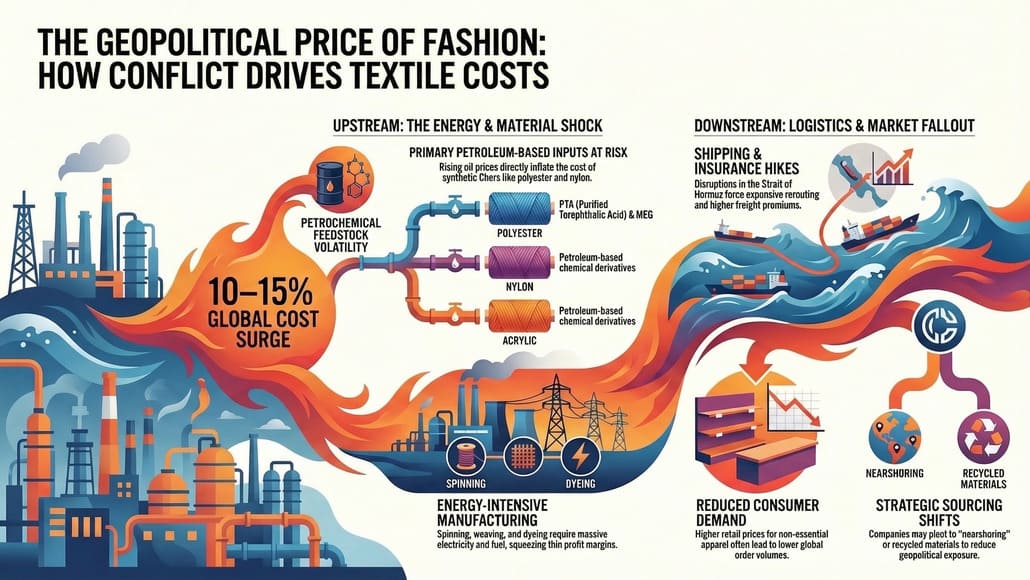
This matters greatly for the textile sector because many synthetic fibres originate from petrochemical derivatives linked to crude oil. Materials such as polyester, nylon and acrylic are produced using feedstocks like purified terephthalic acid (PTA), monoethylene glycol (MEG) and other petroleum-based chemicals.
If oil prices surge, the cost of these petrochemical inputs inevitably rises as well. Fibre producers then pass these increases along the supply chain, leading to higher prices for yarns, fabrics and ultimately finished garments. Given that polyester alone represents the majority of global fibre consumption, a spike in oil prices could significantly affect textile production costs across multiple regions.
Energy-Intensive Manufacturing Processes
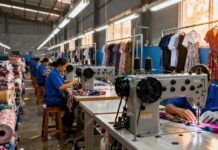
Textile production is also highly dependent on energy. Every stage of the manufacturing process—from spinning and weaving to dyeing and finishing—requires substantial amounts of electricity, steam and fuel.
In countries where energy costs already represent a major portion of manufacturing expenses, a sudden increase in fuel prices can place considerable pressure on textile mills. If oil and natural gas prices climb as a result of conflict in the Middle East, mills may face rising operating costs that are difficult to absorb.
For many manufacturers, particularly those operating on thin margins, even a moderate increase in energy prices can reduce profitability. This is why the US-Iran war impact on textile production costs is expected to extend far beyond raw material prices and influence the entire production process.
Shipping Routes and Logistics Risks
Another area where geopolitical tensions could create disruptions is global logistics. International trade relies on a network of maritime routes, several of which pass through strategically sensitive areas in the Middle East.
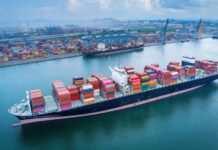
One such route is the Strait of Hormuz, a narrow waterway that serves as a critical passage for global oil shipments and commercial cargo. Any conflict or military escalation in the region could threaten the safety of shipping traffic, forcing carriers to take alternative routes or increase security measures.
When risks increase in major maritime corridors, shipping companies typically respond by raising freight rates and insurance premiums. Higher logistics costs would directly affect textile exporters and importers, particularly those transporting raw materials or finished goods across continents.
In addition, delays caused by rerouted vessels or port disruptions could further strain supply chains. Textile manufacturers often operate on tight production schedules, and any interruption in the flow of materials may slow output and increase operational costs.
Market Uncertainty and Financial Volatility
Beyond physical supply chain disruptions, geopolitical conflicts also tend to create instability in financial markets. Currency fluctuations, shifting investor sentiment and volatility in commodity markets can complicate business planning for textile companies.
Manufacturers that rely on imported raw materials may face exchange rate pressures if their domestic currencies weaken against the US dollar. At the same time, uncertain market conditions often lead companies to postpone expansion plans or capital investments.
Investors typically become more cautious during periods of geopolitical tension, which can reduce funding availability for industrial projects. As a result, growth initiatives within the textile sector may slow down if global economic uncertainty intensifies.
Potential Impact on Consumer Demand
Higher production costs do not exist in isolation; they ultimately affect retail prices and consumer demand. If manufacturers pass on rising costs to brands and retailers, clothing prices may increase in key markets.
However, apparel is largely considered a discretionary purchase. When inflation rises or economic uncertainty grows, consumers tend to limit spending on non-essential goods. This can lead to reduced demand for clothing and textile products.
For garment exporters in major manufacturing hubs such as India, Bangladesh, Vietnam and China, weaker retail demand could translate into smaller order volumes from international brands. Mills may therefore face a challenging environment where both costs rise and demand becomes less predictable.
Margin Pressures Across the Value Chain
The combination of higher input costs, increased energy expenses and uncertain demand could squeeze profit margins throughout the textile value chain. Fibre producers, spinners, fabric mills and garment manufacturers may all experience financial strain if production costs climb sharply.
Large global brands might be able to negotiate prices or diversify sourcing strategies, but smaller manufacturers could struggle to manage the additional financial burden. In regions where the textile industry is a major employer, prolonged cost pressures could have broader economic implications.
Possible Structural Changes in the Industry
If geopolitical tensions persist, the industry may begin to adapt in several ways. Rising synthetic fibre costs could encourage manufacturers to explore alternative materials or increase the use of natural fibres. Some brands may also accelerate efforts to adopt recycled polyester and other sustainable materials to reduce dependence on petroleum-based inputs.
Supply chain diversification could also become a priority. Companies may seek to spread production across multiple regions in order to reduce exposure to geopolitical risks. Similarly, nearshoring strategies—where brands move manufacturing closer to consumer markets—may gain renewed attention.
Technological innovation and efficiency improvements could play a role as well. Manufacturers may invest in energy-efficient machinery or renewable energy sources to mitigate the impact of rising fuel costs.
Global Implications for the Textile Industry
Although the conflict would be concentrated in a specific region, its consequences would likely be global. The textile industry relies heavily on interconnected supply networks that span continents. When one critical component of that system is disrupted—such as energy supply or maritime trade routes—the effects are felt worldwide.
From fibre production to garment retail, every segment of the industry could face higher operating costs if geopolitical tensions escalate. This is why analysts are closely monitoring developments in the Middle East and assessing the potential US Iran war impact on textile production costs.
Conclusion
The possibility of a military confrontation between the United States and Iran introduces significant uncertainty for global industries, including textiles and apparel. Rising oil prices, higher energy expenses, disrupted shipping routes and market volatility could collectively increase production costs by as much as 10–15 percent.
While the exact outcome depends on how geopolitical events unfold, the textile industry is already aware of the risks associated with such instability. Companies across the value chain are likely to monitor developments carefully and adjust their sourcing, production and investment strategies accordingly.
In an industry where margins are often tight and supply chains stretch across multiple regions, even temporary disruptions can have lasting consequences. The evolving geopolitical landscape therefore remains a critical factor shaping the future of global textile manufacturing.