



















Fashion
Fashion
Craft Revival and Artisanal Techniques Returning to Fashion Trends
Traditional handcrafted details, artisanal techniques, and heritage textile methods are experiencing unprecedented renaissance in contemporary fashion. From hand-weaving and embroidery to traditional dyeing and beadwork, ancient craft traditions bridge generational gaps and cultural identities while addressing modern consumer demand for authenticity, sustainability, and meaningful production narratives.
Fashion
New Generation Fashion Trends Blending Comfort and Aesthetics
Contemporary fashion trends reject historical tension between aesthetic appeal and physical comfort, instead emphasizing comfort-first design philosophies delivering both visual sophistication and sensory satisfaction. New generation apparel prioritizes stretch materials, soft textures, ergonomic design, and visually appealing silhouettes—eliminating compromise between looking polished and feeling comfortable.
Fashion
Zero-Waste Design Principles Becoming Key Fashion Trends
Zero-waste design principles represent revolutionary approach to garment construction eliminating fabric cutting waste through innovative pattern design, geometric optimization, and intentional design-for-disassembly methodologies. As fashion industry confronts environmental impact of 15-20% cutting waste inherent in traditional manufacturing, zero-waste design transforms constraints into creative opportunities generating distinctive products while addressing sustainability imperatives.
Fashion
How Textile Recycling Supports Circular Fashion and Sustainable Manufacturing
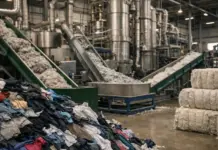
Textile recycling forms the foundation of circular fashion systems, enabling closed-loop production models where materials cycle repeatedly through manufacturing, consumption, and recovery phases. By supporting sustainable material flows, reducing reliance on virgin resource extraction, and enabling eco-conscious product development, textile recycling transforms fashion from extractive linear models into regenerative circular systems that minimize environmental impact while creating economic value through material reuse and resource efficiency.
Fashion
Circular Fashion Trends Encouraging Textile Recycling and Upcycling
Circular fashion trends represent fundamental reimagining of apparel industry economics and environmental responsibility. Moving beyond traditional linear production models, circular approaches emphasize textile recycling, upcycling, waste elimination, and extended product lifecycles. The market currently diverts 92 million tons of annual textile waste while creating innovative business models generating value from materials previously destined for landfills.
Fashion
Luxury Fabric Choices Leading Premium Fashion Trends Worldwide
Luxury textile markets represent the frontier of fashion innovation and premium positioning. Rare fibers including vicuña, silk, cashmere, and alpaca command extraordinary pricing while delivering unmatchable sensory properties and exclusivity. Contemporary luxury fashion trends increasingly emphasize heritage techniques, rare material sourcing, and refined craftsmanship—characteristics that enable commanding premium positioning while supporting artisanal production methods.
Fashion
Fashion Trends Steering the Future of Print and Pattern Design
Contemporary fashion trends fundamentally reshape print aesthetics, pattern construction methodologies, and color forecasting approaches. From digitally native hyperrealistic florals and surreal motifs to water-free digital printing technologies and sustainable pigments, fashion-driven print innovation addresses simultaneous demands for expressive aesthetics and environmental responsibility.
Subscribe
- Never miss a story with notifications
- Gain full access to our premium content
- Browse free from up to 5 devices at once
Must read