






























Key Takeaways
- Hand-weaving renaissance demonstrates contemporary fashion valorizing traditional techniques and artisanal uniqueness
- Designer collaborations directly with artisan communities preserve heritage techniques while supporting rural livelihoods
- Embroidery transitions from cultural or historical tradition to high-fashion statement commanding premium pricing and designer attention
- Traditional ikat, block printing, and handloom weaving provide distinctive aesthetic characteristics impossible to replicate industrially
- Consumer demand for transparency and authenticity drives appreciation for garments bearing visible evidence of human craftsmanship
- Fusion approaches combining handcrafted details with contemporary silhouettes bridge tradition and modernity effectively
- Economic empowerment of artisans through fair-trade frameworks and direct designer partnerships ensures technique preservation across generations
The Renaissance of Handcrafted Fashion
The contemporary fashion world’s engagement with artisanal techniques and traditional craftsmanship represents far more than nostalgic revival. This movement reflects fundamental shifts in consumer values, manufacturing approaches, and fashion’s relationship to cultural heritage and human labor. Handcrafted and artisanal production, once relegated to historical or specialized market segments, now claim prominent positioning within mainstream fashion collections across luxury and contemporary markets.
The fashion trend toward artisanal techniques addresses multiple contemporary concerns simultaneously. Consumers increasingly value authenticity and meaningful production narratives rather than anonymous industrial manufacture. Handcrafted garments embody visible evidence of human labor, creativity, and skill—qualities contemporary consumers increasingly prefer over perfect machine uniformity. Simultaneously, artisanal technique renaissance addresses environmental concerns, as traditional methods often utilize natural materials and less-intensive production processes than industrial alternatives.
This craft revival movement particularly resonates with younger consumers valuing cultural preservation, ethical production, and unique, individualized garments distinguishing them from mass-produced alternatives. Fashion brands responding to these preferences have discovered substantial commercial opportunity in championing artisanal techniques, often commanding premium pricing while supporting traditional artisan communities. This alignment of brand values with consumer expectations and economic opportunity for marginalized communities represents ideal convergence of fashion trends and social benefit.
Hand-Weaving and Contemporary Fashion Integration
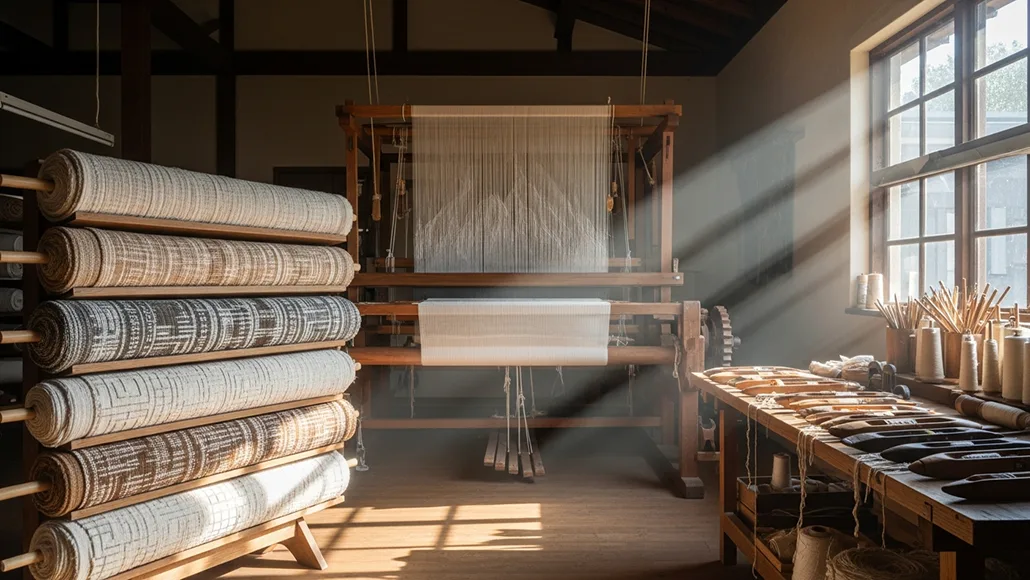
Hand-weaving stands at the forefront of contemporary artisanal fashion revival. This ancient textile production method, fundamental to human clothing throughout history, had largely disappeared from mainstream fashion due to industrial weaving’s speed and cost advantages. Contemporary designers have rediscovered hand-weaving’s unique capabilities, recognizing that manual production creates textile characteristics impossible to replicate through industrial methodology.
Hand-woven fabrics exhibit distinctive visual characteristics—subtle variations in weave density, yarn color irregularities, dimensional textural properties—communicating handcrafted authenticity. These variations, which industrial production treats as defects to be eliminated, contemporary designers celebrate as evidence of human creativity and labor. Fashion collections incorporating hand-woven textiles position themselves as valuing artisanal excellence and cultural preservation alongside aesthetic sophistication.
Contemporary hand-weaving applications extend far beyond traditional cultural garments. Designers collaborate with weaving communities to create contemporary silhouettes utilizing handwoven textiles. Luxury brands increasingly specify hand-woven components for seasonal collections, often sourcing from geographically distant artisan communities specifically to communicate ethical production and cultural collaboration. This practice has created economic opportunities for weaving communities while introducing hand-woven techniques to global fashion audiences.
The premium pricing hand-woven textiles command reflects actual production costs and labor intensity. Unlike industrial weaving producing thousands of meters daily, hand-weaving generates limited yardage, making each piece inherently scarce and valuable. Fashion consumers increasingly understand and appreciate this value proposition, viewing investment in hand-woven garments as supporting traditional craftspeople while obtaining distinctive pieces maintaining aesthetic appeal across extended ownership periods.
Embroidery as Contemporary Fashion Statement
Embroidery represents perhaps fashion’s most remarkable craft revival, transitioning from ethnic or historical tradition to luxury design element commanding global attention. Traditional embroidery techniques—Zardozi, Aari, Chikankari, Mirror work, Gota Patti—long associated with specific cultural contexts and occasions, now appear on contemporary runway collections and premium ready-to-wear offerings globally.
The contemporary embroidery fashion trend reflects designer recognition that handstitched details communicate luxury, craftsmanship, and cultural sophistication. Premium brands increasingly commission embroidered garments from specialized artisans, often maintaining relationships with particular communities known for specific techniques. This direct partnership model ensures technique preservation while creating stable income for artisan communities maintaining these labor-intensive skills.
Contemporary embroidery applications often blur traditional boundaries. Rather than exclusively adorning ceremonial or traditional garments, embroidery now enhances contemporary silhouettes—jackets, contemporary dresses, even athletic-inspired pieces—demonstrating embroidery’s aesthetic versatility. Designers frequently combine embroidery styles from different cultural traditions within single garments, creating fusion pieces celebrating global craft heritage while asserting contemporary aesthetic vision.
The commercial success of embroidered fashion supports continued investment in technique preservation and artisan support. Educational initiatives connecting urban consumers with rural artisans, fashion brand collaborations directly commissioning embroidered pieces, and digital platforms enabling artisans to reach global markets all contribute to embroidery’s renaissance. These economic mechanisms ensure traditional techniques pass to younger generations rather than disappearing with aging practitioners.
Block Printing and Natural Dyeing Revival
Traditional block printing and natural dyeing methodologies address contemporary fashion trends emphasizing environmental sustainability and artisanal authenticity. Block printing, utilizing hand-carved wooden blocks to apply dye patterns, creates distinctive visual characteristics reflecting block carver individuality and printer skill. Natural dyes derived from botanical sources produce colors with subtlety and depth contemporary consumers increasingly prefer over synthetic dyes.
Contemporary fashion designers appreciate that block-printed and naturally dyed textiles cannot be perfectly replicated—each production run exhibits slight variations reflecting environmental factors, dye bath conditions, and individual printer technique. Rather than treating this variability as problem, contemporary designers celebrate it as evidence of authentic handcraft. Consumers purchasing block-printed garments understand they acquire unique pieces rather than interchangeable mass-produced items.
The environmental advantages of natural dyeing and block printing directly align with fashion trends emphasizing sustainability. Natural dyes require minimal chemical processing and often utilize agricultural waste or renewable botanical sources. Block printing produces minimal waste and causes minimal pollution compared to industrial chemical dyeing. Fashion brands promoting these traditional methods communicate environmental responsibility while supporting artisan communities maintaining sustainable production methodologies.
Textile Arts and Contemporary Fashion Integration
Contemporary fashion increasingly collaborates with textile artists, transforming hand-loomed and handcrafted textiles into high-fashion components. These collaborations blur boundaries between fine art and fashion, elevating textile production to artistic expression. Limited-edition collections incorporating artist-created textiles command premium pricing while supporting artistic communities and celebrating human creativity.
Artisanal textile techniques often incorporate sustainable material practices developed over generations. Traditional weaving communities utilizing natural fibers, plant-based dyes, and renewable production methods offer contemporary alternatives to industrial textile manufacturing. Fashion brands championing these collaborations market them as sustainability expressions while supporting cultural preservation and community economic development.
The fusion of artisanal textiles with contemporary design represents optimal outcome of craft revival trends. Traditional techniques provide distinctive material foundations while contemporary designers offer aesthetic vision reaching broader audiences. This partnership model honors heritage techniques while enabling their continued evolution and cultural relevance.
Economic and Social Dimensions of Craft Revival
The fashion industry’s craft revival movement carries significant economic and social implications. Direct designer-to-artisan relationships, established through fair-trade frameworks and ethical sourcing commitments, ensure artisans receive fair compensation for their labor. Fashion brands increasingly market these direct relationships, recognizing consumer willingness to invest in garments supporting artisan livelihoods.
Craft skill preservation depends entirely on economic viability. Young community members historically abandon traditional textile production when industrial work offers superior compensation. Contemporary fashion’s increased artisanal purchasing has reversed these patterns in some communities, with younger artisans proudly adopting traditional techniques as viable careers. This intergenerational transmission ensures technique preservation while supporting community cultural continuity.
The Future of Artisanal Fashion
The trajectory of craft revival suggests sustained momentum. As consumers continue prioritizing authenticity and cultural preservation, fashion brands will maintain emphasis on artisanal techniques and heritage textiles. Technology may play supporting role—digital pattern design enabling artisans to create contemporary aesthetics within traditional frameworks—but human creativity and labor will remain central.
The craft revival movement represents profound rejection of industrial homogeneity. Contemporary fashion increasingly celebrates human creativity, cultural diversity, and visible evidence of labor. Artisanal techniques embody these values, ensuring their continued prominence within fashion trends for foreseeable future.