
































Key Takeaways
- Digital printing technologies enable crisp edges, vivid hues, and near-photographic detail unprecedented in traditional methods
- Hyper realistic florals and surreal motifs merge realism with saturated colors offering near-3D visual effects
- Water-free digital printing methods reduce environmental impact while enabling rapid prototyping and customization
- AI-driven pattern generation creates personalized prints aligned with individual style preferences and seasonal trends
- Geometric patterns and small-dot designs experience revival driven by minimalist aesthetic appeal and digital versatility
- Sustainable dyes and biodegradable pigments address environmental concerns without compromising color vibrancy or fastness
- On-demand printing eliminates excess fabric waste while enabling limited-edition and exclusive design releases
The Revolution in Digital Print Technology
Print design represents one of fashion’s most emotionally resonant elements, with colors and patterns directly influencing purchase decisions and seasonal collecting behavior. Contemporary fashion trends in print design are inseparable from revolutionary technological advancement in digital printing capabilities. Traditional screen-printing methodologies, dominant for decades, imposed constraints on pattern complexity, color palette size, and production flexibility. Digital printing technologies have fundamentally eliminated these constraints, enabling creative possibilities previously impossible to realize economically at commercial scales.
Water-free digital printing represents perhaps the most significant technological advancement reshaping print design fashion trends. Traditional printing methods consume enormous quantities of water—estimates suggest producing single cotton T-shirt requires 2,700 liters of water in total production lifecycle. Digital printing dramatically reduces water consumption while eliminating chemical discharge streams that traditional methods generate. This environmental advantage appeals simultaneously to environmentally conscious consumers, regulatory authorities increasingly restricting textile industry impacts, and manufacturers seeking operational efficiencies.
The aesthetic implications of digital printing technology extend beyond environmental benefits. Digital printing enables unprecedented precision in pattern reproduction, color accuracy, and design complexity. Designers can now realize intricate patterns, subtle color gradations, and photorealistic imagery that traditional printing methods struggle to achieve. Fashion trends emphasizing expressive individuality and visual complexity drive designers toward digital printing capabilities that enable realization of their aesthetic visions.
Contemporary Print Aesthetic Directions
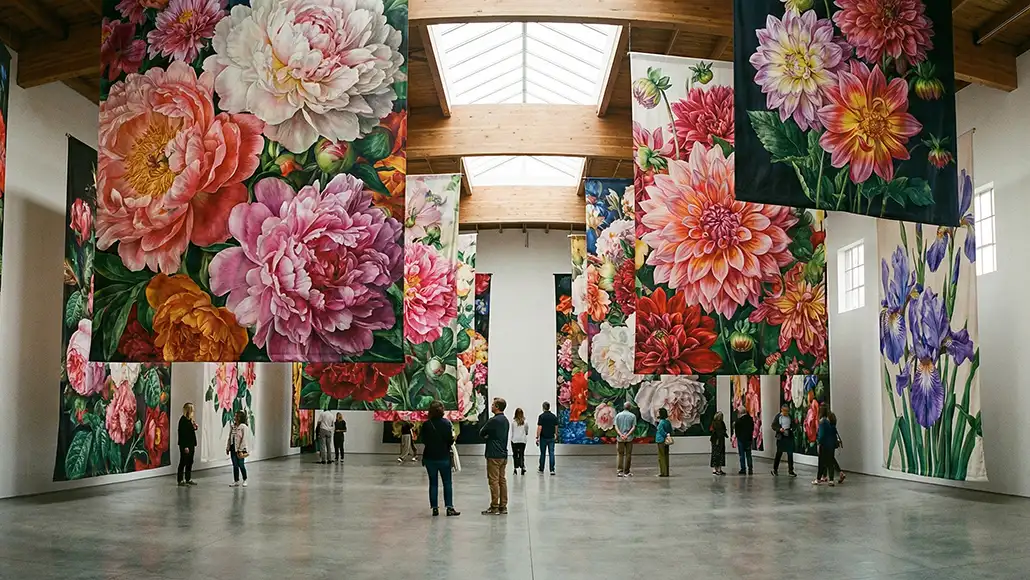
Hyperrealistic botanical prints represent dominant fashion trend in contemporary print design. These digitally native patterns merge photographic realism with surreal color saturation, creating near-3D visual effects that command visual attention. Technological advancements in digital printing enabled this aesthetic direction—previous printing methods could achieve either photorealism or saturated colors, but rarely both simultaneously. Digital printing enables unprecedented color control, allowing designers to create botanicals with naturalistic detail yet vibrant, impossible colorways.
Fashion trend data tracking social media signals and runway presentations reveals sustained interest in maximalist floral patterns alongside minimal geometric designs. This apparent contradiction reflects segmentation within fashion markets rather than conflicting preferences. Luxury and ready-to-wear segments emphasize expressive florals communicating design sophistication and artistic vision. Minimalist segments utilize small-scale geometrics and subtle textures communicating refined restraint and sophisticated understatement. Digital printing technologies enable both aesthetic directions simultaneously, supporting diverse brand positioning strategies.
Surrealist and abstract motifs gain increasing prominence in contemporary print trends. Designers drawing inspiration from art movements, nature photography, and digital glitch aesthetics create print patterns pushing boundaries of conventional fashion expression. Fashion trends celebrating artistic innovation and individual expression drive mainstream acceptance of previously avant-garde print directions. Digital printing democratizes realization of complex artistic visions, enabling independent designers and established houses equally to achieve sophisticated outcomes.
Sustainable Dyes and Eco-Conscious Color Approaches
Fashion trends emphasizing environmental responsibility extend directly to color selection and dye utilization. Contemporary print design increasingly incorporates sustainable dyes derived from botanical sources or created through eco-conscious chemical processes. Biodegradable pigments eliminate persistent environmental contamination while maintaining color vibrancy and fastness required for quality apparel. Manufacturers utilizing sustainable dye approaches market this as premium positioning, with consumers demonstrating willingness to pay substantial premiums for environmentally responsible production.
Color forecasting methodologies increasingly incorporate sustainability considerations alongside aesthetic and cultural trend analysis. Major color forecasting authorities now account for dye sustainability when recommending seasonal color palettes. Fashion brands utilizing sustainable dyes communicate environmental commitment while achieving distinctive color positioning that aligns with their brand identity and target consumer values.
The intersection of sustainable dyes with digital printing technologies creates compelling narrative for premium fashion collections. Digitally printed patterns utilizing sustainable dyes eliminate traditional printing’s environmental burden while delivering sophisticated, trend-responsive aesthetics. This combination appeals to contemporary consumers increasingly expecting environmental responsibility without compromise to aesthetic quality or design sophistication.
AI-Driven Pattern Generation and Personalization
Artificial intelligence has begun transforming print design through algorithmic pattern generation and personalized design creation. Machine learning systems trained on historical pattern data, consumer preference information, and fashion trend signals can generate novel patterns aligned with anticipated market preferences. Designers utilize these AI-generated suggestions as starting points for creative exploration, accelerating ideation while reducing risks of unsuccessful designs.
Generative AI tools enable creation of personalized print designs aligned with individual consumer preferences. Online platforms allow customers to provide style descriptions, color preferences, and design inspiration images. AI systems process these inputs, generating unique patterns that reflect personal aesthetic while incorporating contemporary fashion trends. This personalization capability democratizes custom apparel, making exclusive pattern design accessible to consumers previously unable to commission unique pieces.
The commercial implications of personalized AI-generated patterns suggest significant market transformation. Brands offering customized print options gain competitive advantages through enhanced customer engagement and premium pricing justification. Digital printing enables economical production of small batches and one-of-a-kind pieces, supporting business models previously impossible at commercial scale.
On-Demand Printing and Waste Reduction
On-demand digital printing enables production of garments only after customer purchase, eliminating overproduction and associated waste. Fashion trends toward customization and individual expression accelerate adoption of on-demand production models. This production methodology fundamentally transforms fashion business economics, shifting from inventory-based to demand-driven models that substantially reduce waste while improving financial efficiency.
The reduced environmental impact of on-demand printing extends beyond eliminating overproduction waste. Producing smaller total quantities of fabric reduces overall resource consumption—water, chemicals, energy—required throughout production lifecycle. Digital printing’s inherent efficiency advantage combines with on-demand production methodology to create fashion systems substantially less environmentally destructive than conventional approaches.
Fashion brands experimenting with on-demand production report surprising consumer response. Rather than restricting customer options, on-demand production enables previously impossible selection breadth. Customers can order garments in diverse color combinations and print variations, effectively receiving customized pieces that reflect personal preferences. This customization appeals to contemporary consumers valuing individual expression and uniqueness.
Color Forecasting and Trend-Responsive Design
Contemporary color forecasting increasingly influences print design development, with seasonal color palettes directly shaping which prints receive production attention. Major fashion forecasting authorities monitor emerging color trends across diverse cultural contexts—art movements, natural phenomena, cultural celebrations—to identify colors gaining acceptance and anticipated mainstream adoption.
Print designs incorporating forecasted seasonal colors position brands advantageously within trend cycles, communicating awareness of contemporary aesthetic movements. Brands that consistently incorporate accurate color forecasting into print design development gain reputation for trend leadership while building consumer confidence that products will remain visually current across extended ownership periods.
The intersection of color forecasting with sustainable dye development creates challenges and opportunities for print designers. Not all historically preferred colors can be achieved through sustainable dyeing processes. Contemporary designers increasingly view this constraint as creative opportunity, developing print aesthetics aligned with sustainable color possibilities rather than resisting limitations. This collaborative approach between design and sustainability requirements has generated innovative aesthetic directions that might not have emerged without initial constraints.
Artisanal and Heritage Print Movements
Fashion trends celebrating traditional craftsmanship and cultural heritage have generated renewed interest in artisanal printing methods. Block printing, batik, and other traditional techniques gain contemporary relevance through designer collaborations and heritage-focused brand development. These traditional methods, previously associated with cultural or historical contexts, achieve contemporary fashion significance through designer reinterpretation and celebrity endorsement.
The intersection of digital and artisanal printing represents emerging fashion trend. Designers utilize digital printing to establish base patterns and color foundations, then apply artisanal techniques creating uniqueness and handcrafted aesthetic. This hybrid approach combines advantages of both methodologies—digital precision and consistency combined with artisanal uniqueness and textural richness.
The global fashion trend celebrating diverse cultural expressions has driven mainstream acceptance of culturally specific print patterns and color combinations. Traditional prints from African textiles, South Asian patterns, Indigenous designs, and other cultural expressions gain high-fashion legitimacy through designer championing and luxury brand adoption. This trend reflects broader cultural movement toward celebrating global aesthetic diversity while supporting artisanal communities maintaining traditional production techniques.
The Future of Print Design Innovation
The trajectory of print design innovation suggests continued acceleration in technological capability and aesthetic experimentation. Emerging technologies—holographic printing, photochromic inks enabling color-changing patterns, interactive prints responding to environmental stimuli—represent future possibilities currently in experimental stages. As these technologies mature and achieve cost-effectiveness, they will likely catalyze new fashion trends exploiting unprecedented aesthetic possibilities.
The democratization of print design tools enables wider creative participation than traditional fashion hierarchies allowed. Independent designers and emerging brands can access sophisticated digital printing capabilities previously available only to established manufacturers. This democratization will likely accelerate aesthetic innovation as more creative voices participate in print design development, challenging conventions and exploring directions established brands might hesitate to pursue. The print design fashion trends of coming years will be substantially shaped by this expanded creative participation and technological capability democratization.