

































Key Takeaways
- Streetwear has transitioned from subcultural aesthetic to mainstream dominance influencing all fashion segments including luxury
- Hip-hop culture maintains central influence on streetwear trends, with artist collaborations driving mainstream adoption
- Afrofuturism represents emerging streetwear trend celebrating Black heritage through futuristic aesthetics and cultural narratives
- Gender-fluid and oversized silhouettes reflect contemporary emphasis on individual expression and inclusivity within streetwear movement
- Luxury brands increasingly collaborate with streetwear designers and artists, blurring boundaries between luxury and street culture
- Sustainable streetwear addresses growing consumer concern regarding environmental responsibility without compromising cultural authenticity
- Geek and pop culture influences demonstrate streetwear’s capacity to incorporate diverse subcultural aesthetics and celebrate nerd culture
The Globalization of Streetwear Culture
Streetwear represents one of fashion’s most consequential trends, transforming from subcultural aesthetic practiced within skateboarding, surfing, and hip-hop communities into global movement fundamentally shaping mainstream fashion. Contemporary streetwear influence extends throughout fashion hierarchy—from ultra-premium luxury collaborations to fast-fashion mass production—demonstrating the movement’s pervasive cultural impact. This democratization of streetwear aesthetic, once considered counterculture rebellion against fashion conventions, signals profound shift in how fashion interprets value, authenticity, and social expression.
The origins of streetwear in American urban subcultures—hip-hop communities, skateboarding scenes, skateboard culture emerging in 1980s California—established foundational aesthetic emphasizing function, comfort, and cultural authenticity. Streetwear explicitly rejected fashion establishment conventions prioritizing aesthetic over practicality, celebrating garments designed for actual activities rather than appearance alone. This utilitarian-meets-aesthetic philosophy created distinctive visual identity immediately recognizable and inherently appealing to audiences valuing authenticity and cultural honesty.
Contemporary global streetwear transcends geographic and cultural origins, with local streetwear movements incorporating regional cultural influences while maintaining core aesthetic principles. Tokyo street culture, London urban style, Seoul fashion movements—each expresses streetwear philosophy through localized cultural contexts while connecting to global streetwear community. This glocalization of streetwear—simultaneously global and locally authentic—reflects broader fashion industry evolution toward celebrating cultural diversity while maintaining cohesive aesthetic identity.
Hip-Hop as Central Cultural Force in Streetwear Evolution
Hip-hop culture remains inseparable from streetwear development, with musicians, artists, and cultural figures directly shaping fashion trends and brand collaborations. Contemporary streetwear emphasizes elevated quality and luxury positioning alongside cultural authenticity—trends traceable to hip-hop artists partnering with fashion brands to create premium collections merging street culture with high-fashion sophistication. Collaborations between established luxury houses and hip-hop figures have become sophisticated marketing vehicles communicating brand cultural relevance to younger, diverse audiences.
The commercial relationship between hip-hop artists and fashion brands creates mutual benefit—brands gain cultural credibility while artists access production resources and global distribution platforms. Limited-edition hip-hop artist collaborations command premium pricing and exclusive cultural positioning. The streetwear trend toward luxury-level quality combined with street cultural authenticity has proven commercially compelling, with consumers investing substantially in pieces embodying both aesthetic excellence and cultural significance.
Contemporary hip-hop-influenced streetwear incorporates elevated materials, refined construction, and sophisticated design details while maintaining visual identity and cultural messaging connecting to hip-hop heritage. This fusion of streetwear aesthetic with luxury craftsmanship represents maturation of cultural movement, demonstrating streetwear’s capacity to accommodate premium positioning without losing subcultural authenticity and cultural connection.
Afrofuturism and Cultural Representation Trends
Afrofuturism represents emerging streetwear trend celebrating Black cultural heritage through speculative future aesthetics combining African traditions with technological futurism. This movement expresses itself through streetwear incorporating vibrant African textile patterns, futuristic silhouettes, bold color combinations, and explicit cultural messaging. Designers like Pyer Moss and Daily Paper have become prominent voices, creating collections where streetwear functions as vehicle for cultural celebration and powerful storytelling.
The Afrofuturism trend addresses representation within fashion industry through visual celebration of Black culture and heritage. By creating collections that explicitly honor cultural traditions while imagining future possibilities, designers position streetwear as medium for cultural expression and social commentary. Consumer response demonstrates powerful demand for fashion that reflects cultural identity and celebrates heritage, particularly among audiences historically marginalized by fashion industry conventions.
This trend demonstrates streetwear’s evolution beyond functional subcultural fashion into sophisticated vehicle for cultural expression and social narrative. Contemporary streetwear increasingly incorporates political and cultural messaging, with garments functioning as platforms for dialogue regarding representation, history, and identity. This socially conscious streetwear positioning appeals to contemporary consumers increasingly expecting brands to engage meaningfully with social and cultural issues.
Gender-Fluid Fashion and Inclusive Silhouettes
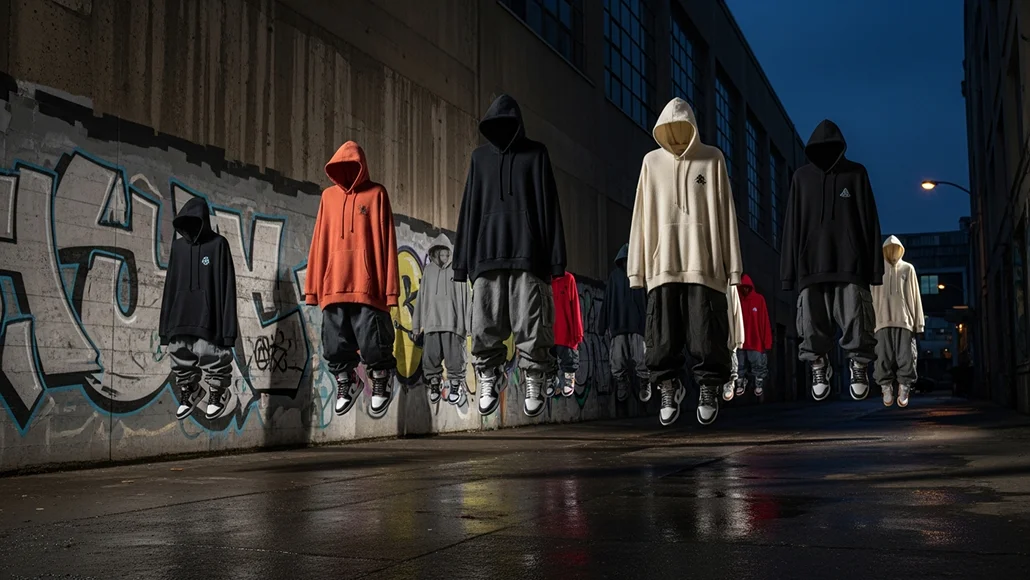
Streetwear culture has historically embraced gender-neutral and oversized silhouettes, reflecting functional origins prioritizing comfort and ease of movement over conventional fashion tailoring. Contemporary gender-fluid trend within streetwear responds to younger consumers rejecting traditional gender categories and expecting apparel accommodating diverse body types and personal expression styles. Streetwear’s inherent inclusivity—oversized fits accommodating various physiques, unisex design principles—positions the movement advantageously within broader fashion shift toward gender-inclusive design.
Luxury brands increasingly incorporate streetwear’s gender-fluid aesthetic, recognizing that elimination of traditional gender categories appeals to expanding consumer segments. Oversized silhouettes previously associated with casual streetwear now appear in premium collections, communicating brand awareness regarding contemporary social movements while satisfying consumer preference for comfortable, functional design. This cross-pollination between streetwear and luxury fashion demonstrates how subcultural movements drive mainstream fashion evolution.
Luxury-Streetwear Fusion and Collaborative Innovation
The convergence of luxury fashion and streetwear culture represents remarkable fashion evolution where established design houses collaborate with streetwear pioneers and street culture figures. These collaborations create distinctive positioning—premium production quality and heritage brand prestige combined with streetwear cultural authenticity and contemporary aesthetic. The commercial success of luxury-streetwear partnerships—with limited releases generating substantial demand and premium pricing—demonstrates powerful consumer appeal of this hybrid positioning.
Luxury brands utilizing streetwear collaborations gain cultural relevance and younger audience access. Simultaneously, streetwear designers gain access to production resources, heritage brand recognition, and international distribution. The partnership model benefits both parties while creating unique products that would emerge neither through conventional luxury development nor grassroots streetwear culture independently.
Sustainable Streetwear and Ethical Culture
Streetwear trends increasingly emphasize environmental sustainability and ethical production, reflecting contemporary consumer expectations regarding responsible fashion. Sustainable streetwear addresses complexity of maintaining cultural authenticity and grassroots community connection while scaling to global audiences and incorporating eco-conscious production methodologies. Emerging brands building streetwear positioning from inception with sustainability commitments demonstrate that cultural authenticity and environmental responsibility are compatible rather than contradictory.
The sustainability trend within streetwear reflects broader fashion industry evolution where environmental consciousness becomes baseline expectation rather than differentiation feature. Contemporary streetwear consumers increasingly expect transparent production information, ethical labor practices, and sustainable material selection. Brands incorporating these elements effectively communicate understanding of contemporary consumer values while maintaining cultural credibility.
Geek Culture and Pop Culture Streetwear
Streetwear’s capacity to incorporate diverse subcultural influences extends beyond hip-hop and skateboarding to geek culture and pop culture references. Limited-edition streetwear incorporating anime, video game, comic book, and science fiction aesthetics demonstrates how streetwear functions as vehicle for celebrating diverse fan communities and subcultural identities. This expansion of streetwear aesthetic vocabulary has created market segments where niche communities find mainstream fashion representation.
The inclusion of geek and pop culture influences within streetwear signals broader fashion movement toward celebrating individual interest and passion rather than enforcing conventional aesthetic uniformity. Contemporary consumers expect fashion reflecting personal identity and interests rather than conforming to prescribed style categories. Streetwear’s embrace of diverse subcultural references provides platform for this individual expression.
The Future of Global Streetwear
The trajectory of global streetwear suggests continued cultural significance and mainstream dominance. As established luxury brands continue engaging with streetwear culture, the boundary between street and high fashion will likely continue dissolving. Future streetwear development will likely incorporate emerging technologies, sustainability innovations, and new cultural influences while maintaining core commitment to authenticity and cultural expression. The global streetwear movement demonstrates fashion’s capacity to express complex cultural narratives while accommodating diverse aesthetics and individual expression within cohesive movement.