
































Key Takeaways
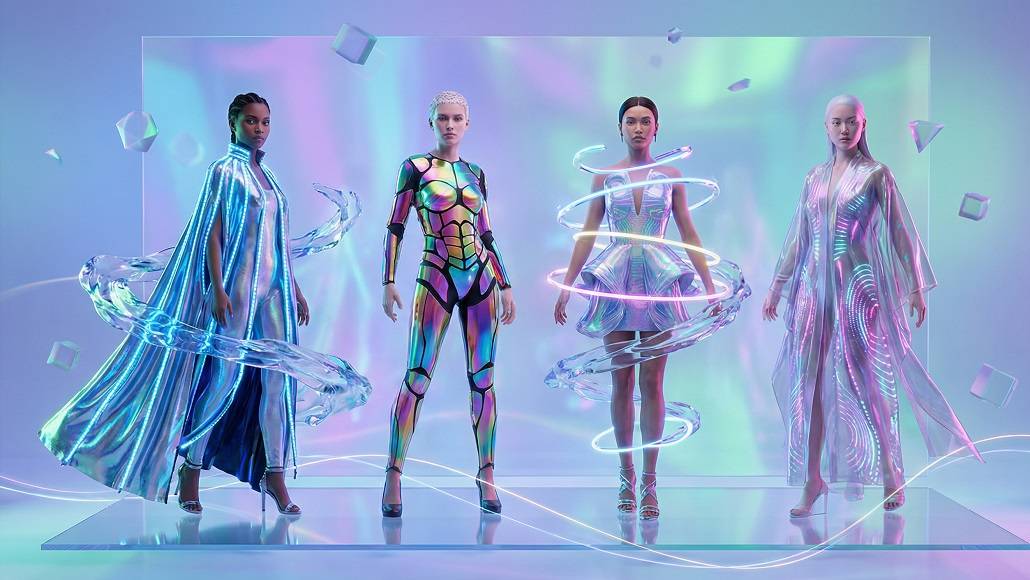
- Digital fashion enables design expression unconstrained by physical materiality, enabling gravity-defying silhouettes and impossible material properties
- NFT-based digital collectibles create scarcity and ownership proof enabling premium pricing for exclusive virtual garments
- AI-powered styling tools analyze individual preferences and biometric data to provide hyper-personalized virtual wardrobe recommendation
- Metaverse fashion shows and virtual runways democratize luxury fashion access while enabling impossible staging and interactive experiences
- Avatar customization creates demand for digital garments expressing personal identity within virtual environments and social platforms
- Virtual-to-physical integration enables consumers to purchase digital garments then print or produce physical versions
- Digital-native brands challenge traditional fashion houses while established luxury brands increasingly invest in digital-only collections
The Emergence of Fashion as Purely Digital Experience
Digital fashion trends represent revolutionary expansion of apparel design beyond physical constraints that have historically defined clothing construction and aesthetic possibility. Virtual garments existing exclusively within digital environments enable designers to explore aesthetic directions impossible in physical form—gravity-defying silhouettes, impossible material properties, dynamic transformation responding to environmental stimuli. This liberation from materiality constraints has attracted experimental designers and brands seeking distinction through impossible design concepts.
Virtual garments worn by avatars in gaming environments, social platforms, and metaverse spaces have created substantial market opportunity. Consumers increasingly invest in digital wardrobe pieces enabling distinctive avatar presentation reflecting personal identity within virtual spaces. The virtual clothing market, virtually nonexistent a decade ago, has expanded to billions of dollars annually as digital world participation grows and consumer investment in virtual identity expression intensifies.
The digital fashion trend represents fundamental departure from traditional fashion economics. Virtual garments require no material production, logistics, or inventory management. Marginal production cost approaching zero enables premium pricing for exclusive digital items while avoiding all environmental impact traditionally associated with apparel manufacturing. This economics transformation enables business models previously impossible in physical fashion.
NFTs and Digital Ownership Verification
Non-fungible tokens (NFTs) enable verification of digital item ownership and exclusivity within virtual environments. NFT-based digital fashion creates scarcity in inherently infinitely reproducible digital space—theoretically, digital files can be duplicated infinitely, eliminating scarcity. NFTs address this challenge through blockchain-based ownership verification and transfer mechanisms, creating artificial scarcity justifying premium pricing for exclusive digital garments.
Fashion brands experimenting with NFT fashion have discovered surprising consumer demand for digital collectibles. Limited-edition NFT garments command pricing approaching physical luxury apparel despite existing purely in digital space. Collectors appreciate NFT ownership documentation, exclusive access to new releases, and participation within brand communities centered around digital collectible ownership. This trend demonstrates consumer willingness to attribute substantial value to digital items despite lack of physical utility.
The NFT fashion trend has enabled independent designers and artists to monetize digital creations without traditional retail or manufacturing infrastructure. Digital-native fashion creators monetize designs through NFT marketplaces, reaching global audiences immediately. This democratization of fashion commercialization has generated creative diversity impossible in traditional fashion systems requiring substantial capital investments and established distribution networks.
AI-Powered Personalization and Virtual Styling
Artificial intelligence increasingly personalizes virtual fashion experiences through analyzing individual preference data, biometric measurements, activity patterns, and styling history. AI styling tools can generate outfit recommendations aligned with personal aesthetic while reflecting current fashion trends and occasion requirements. These hyper-personalized recommendations create convenience while enabling consumers to explore fashion possibilities beyond personal experimentation reach.
AI facial recognition technology enables virtual try-on experiences allowing consumers to preview garments on avatars matching their specific body proportions and features. This capability dramatically improves purchase confidence while eliminating fit uncertainty that frustrates online apparel shopping. Consumers can visualize how garments function with their specific body characteristics before purchase commitment.
The development of body-specific avatar creation technology enables realistic virtual representation of diverse body types, skin tones, and physical characteristics. This inclusivity represents dramatic departure from traditional fashion modeling emphasizing narrow aesthetic categories. Consumers can now see garments presented on avatars matching their specific characteristics, encouraging more inclusive fashion consumption while empowering brands to demonstrate inclusivity through virtual representation.
Metaverse Fashion Shows and Virtual Runways
Metaverse fashion shows represent extraordinary convergence of fashion spectacle and digital environment possibility. Virtual runway presentations eliminate geographic constraints limiting physical fashion show attendance. Consumers worldwide can participate in immersive digital experiences featuring impossible staging, interactive elements, and unprecedented creative expression. Metaverse fashion shows enable presentation methodologies impossible in physical space while democratizing access to luxury fashion presentations.
Digital-native fashion shows enable unprecedented creativity in presentation. Gravity-defying choreography, impossible material transformations, and environmental effects impossible in physical reality become achievable through digital staging. Designers push creative boundaries unconstrained by physical laws or practical limitations, generating innovative presentations attracting global audiences and generating media attention exceeding traditional fashion show coverage.
The commercialization of metaverse fashion shows has created new revenue opportunities through digital collectible sales, exclusive preview access, and experiential sponsorships. Fashion brands increasingly invest in metaverse presence and digital show production, recognizing significant brand visibility and consumer engagement opportunities. Virtual fashion weeks challenging traditional fashion calendar dominance represent emerging trend reshaping how brands present seasonal collections.
Virtual-to-Physical Fashion Integration
Contemporary digital fashion trends increasingly bridge virtual and physical garments through hybrid business models. Consumers purchase digital garments worn in virtual spaces, then manufacturers produce physical versions for purchase. Alternatively, consumers photograph digital garments and forward designs to manufacturers for custom production. This virtual-to-physical integration enables designers to validate market demand and refine designs through digital presentation before committing manufacturing resources.
The digital-to-physical pipeline enables rapid prototyping and consumer feedback integration impossible in traditional seasonal fashion cycles. Digital designs achieving substantial consumer interest in virtual environments justify physical production investment. This data-driven manufacturing approach reduces waste and overproduction while ensuring consumer demand alignment.
Some brands have pioneered hybrid digital-physical experiences where digital purchase unlocks physical production capability. Consumers purchasing exclusive digital garments subsequently receive physical versions manufactured to order. This innovation enables brands to gather consumer preference data while maintaining production efficiency and inventory optimization.
Avatar Fashion and Virtual Identity Expression
The growth of gaming, social platforms, and metaverse environments has created demand for avatar customization expressing personal identity within virtual spaces. Digital fashion enables consumers to present idealized versions of themselves—trying aesthetic directions physically unrealistic or financially inaccessible. This virtual experimentation capability creates engagement and loyalty within digital platforms while generating revenue through digital item monetization.
Avatar fashion trends demonstrate consumer willingness to invest in virtual identity expression equivalent to physical appearance investment. Consumers purchase premium digital garments, accessories, and cosmetic items enabling distinctive avatar presentation. The virtual fashion market has matured to point where specialized brands create exclusively digital collections targeting specific avatar customization preferences and gaming communities.
The democratization of avatar customization enables body-positive fashion expression unconstrained by physical limitations. Avatars can present diverse body types, skin tones, and aesthetic expressions impossible or limited in physical fashion. Digital platforms enabling unrestricted avatar customization create radical inclusivity contrasting sharply with traditional fashion industry narrow aesthetic preferences.
Brand Strategy Transformation Through Digital Fashion
Established fashion brands increasingly develop digital-only collections positioning themselves as technology-forward and innovation-oriented. Digital collections serve multiple strategic purposes—brand extension into digital spaces, audience engagement within gaming and metaverse environments, data collection regarding consumer preference trends, and premium positioning through technological sophistication.
Digital-native fashion brands have emerged challenging traditional luxury houses through direct metaverse-centered business models. These brands position themselves as native to digital environments rather than extending physical business into virtual spaces. The differentiation resonates with digital-native consumers viewing virtual-first brands as more authentic to digital culture than traditional houses adapting legacy physical business models.
The bifurcation of fashion into physical and digital segments represents significant market transformation. Consumers simultaneously participate in both physical and digital fashion communities, making distinct consumption decisions within each context. Brands successfully competing across both segments develop sophisticated strategies maintaining distinct identity while leveraging cross-segment synergies and audience overlap.
Sustainability and Environmental Implications
Digital fashion represents remarkable sustainability opportunity through elimination of material consumption, chemical usage, water utilization, and transportation associated with physical apparel production. As fashion industry wrestles with profound environmental impacts, digital-only segments enable continued creative expression and consumer engagement while avoiding environmental burden. This sustainability advantage positions digital fashion advantageously as environmental consciousness intensifies.
The environmental credentials of digital fashion have attracted environmentally conscious consumers increasingly uncomfortable with physical fashion’s environmental footprint. Digital wardrobe investment represents explicit rejection of consumption-driven physical fashion while enabling full creative expression and personal style development. This sustainability positioning has become powerful brand differentiation mechanism.
The Future of Fashion Identity and Digital Integration
The trajectory of digital fashion trends suggests continued acceleration and mainstream maturation. As virtual space participation expands and digital platforms integrate increasingly sophisticated fashion systems, digital wardrobe investment will become normalized equivalent to physical clothing acquisition. Traditional fashion brands will likely develop greater digital sophistication while maintaining physical heritage, creating integrated strategies leveraging both sectors’ unique advantages. The fashion industry’s future will increasingly accommodate simultaneous physical and digital expressions, with consumers navigating between environments while maintaining consistent personal identity expression across contexts.