































Key Takeaways
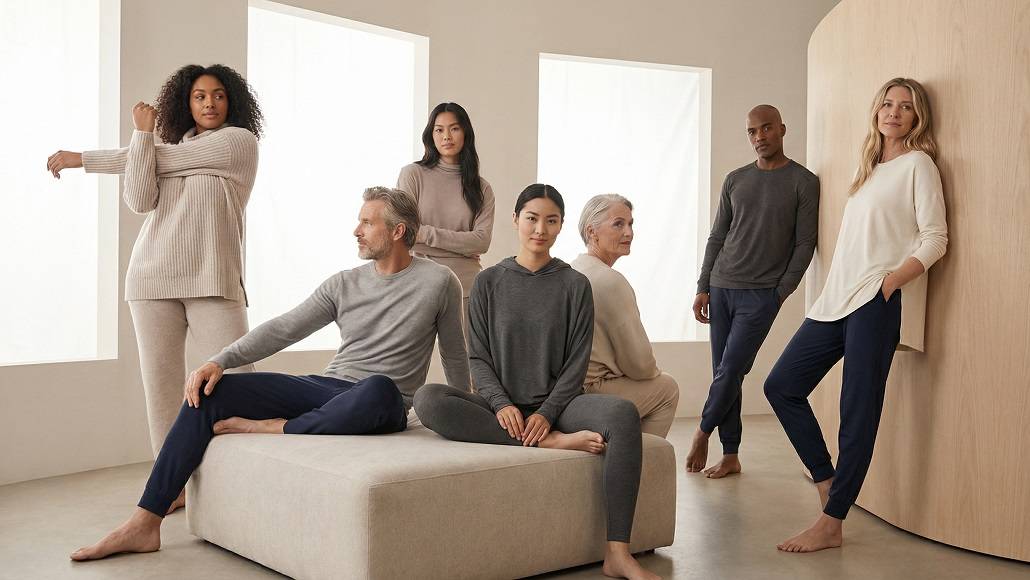
- Contemporary fashion trends emphasize comfort-first design delivering visual sophistication without sacrificing sensory satisfaction
- Stretch fabrics incorporating elastic fibers enable unrestricted movement while maintaining tailored, polished aesthetic appeal
- Soft textiles including bamboo, microfiber, and organic cotton provide exceptional wearing comfort without visual compromise
- Ergonomic design principles integrate anatomical support with contemporary silhouettes appealing to diverse body types
- Tag-free and seamless construction eliminates physical irritation enabling extended comfortable wear across varied activities
- Performance features including moisture-wicking and quick-dry properties maintain comfort across physical activity and environmental conditions
- Contemporary athleisure trend demonstrates mainstream acceptance of comfort-prioritized design alongside visual sophistication
The Evolution from Comfort Compromise to Integrated Design
For decades, fashion presented comfort and aesthetics as irreconcilable tension requiring conscious choice and compromise. Tailored silhouettes that communicated fashion sophistication often restricted movement and caused physical discomfort. Garments prioritizing comfort typically sacrificed visual appeal, communicating functional intention rather than aesthetic ambition. Contemporary fashion trends fundamentally reject this false dichotomy, instead demonstrating that physical comfort and visual sophistication enhance rather than diminish one another.
This philosophical shift reflects deeper changes in consumer values and lifestyle patterns. Modern professionals regularly transition between professional environments, athletic activity, and social engagement within single day. Contemporary consumers expect apparel accommodating this versatility without requiring multiple complete outfit changes. This practical demand has catalyzed design innovation proving that comfort and style represent complementary objectives rather than competing priorities.
The new generation fashion approach to comfort-meets-aesthetics reflects recognition that confident wearer comfort translates directly to confident presentation. Individuals genuinely comfortable in their clothing project confidence and authenticity that visual polish alone cannot communicate. Conversely, discomfort—whether from restriction, irritation, or poor fit—translates visibly as tension undermining intended aesthetic impact. This understanding positions comfort as essential component of effective style rather than compromise against it.
Stretch Materials and Movement-Responsive Silhouettes
Contemporary stretch fabrics incorporating advanced elastic fibers enable garments to adapt to wearer movement while maintaining tailored appearance and visual polish. High-performance stretch materials provide multi-directional recovery, maintaining shape after extended stretching without losing structural integrity or developing visual bagging. This technical advancement has enabled silhouettes previously impossible—garments simultaneously fitting tailored aesthetic with genuine comfort and movement freedom.
The development of stretch fabrics achieving luxury aesthetic while providing athletic functionality represents significant innovation addressing new generation fashion preferences. Premium stretch materials in suits, dresses, and formal wear communicate contemporary design understanding while delivering comfort enabling all-day wear. The integration of stretch into traditionally formal garment categories demonstrates how innovation fundamentally expands design possibility.
Stretch fabric innovation extends to fiber selection, with manufacturers developing elastic materials from sustainable sources addressing environmental consciousness. Plant-based elastics derived from cellulose provide stretch comparable to synthetic alternatives while reducing petrochemical dependence. This material innovation aligns perfectly with contemporary consumer preference for functional performance without environmental compromise.
Soft Textiles and Sensory Appeal
Contemporary fashion increasingly emphasizes softness as primary material selection criterion, recognizing that garments touching skin throughout extended wear period must provide tactile comfort. Bamboo-derived fabrics offer exceptional softness and breathability. Microfiber technology creates ultra-fine materials providing silk-like sensation without silk price or environmental footprint. Organic cotton, processed to remove shorter fibers, achieves remarkable softness while maintaining durability.
The fashion trend toward soft textiles reflects recognition that touch represents significant component of clothing satisfaction. Individuals wearing genuinely soft, pleasant-to-touch garments experience measurable satisfaction improvement compared to scratchy or uncomfortable fabrics, regardless of visual appearance. This sensory dimension of fashion has emerged as significant purchasing factor, with consumers increasingly asking to touch fabrics before purchasing online items.
Softness combined with durability represents ideal material outcome—providing immediate tactile comfort while maintaining functional integrity across extended wear and repeated laundering. Contemporary textile manufacturers increasingly prioritize this combination, recognizing that soft garments requiring constant replacement frustrate consumers valuing practical value alongside sensory experience.
Ergonomic Design and Anatomical Support
New generation fashion increasingly incorporates ergonomic design principles integrating anatomical understanding into garment construction. Strategically placed stretch panels provide support without restricting movement. Structured seaming distributes weight more efficiently, reducing physical fatigue across extended wear. Contoured silhouettes accommodate diverse body types and proportions rather than enforcing single standardized fit assumption.
Ergonomic design extends beyond basic comfort to performance optimization. Garments designed understanding physiological stress distribution can reduce muscular fatigue, improve posture, and enhance functional capacity. This performance dimension appeals to contemporary consumers increasingly expecting apparel to support rather than hinder physical activity and daily function.
The integration of ergonomic design into contemporary fashion represents maturation of design discipline recognizing that visual presentation and physical function are inseparable. Fashion designers increasingly collaborate with ergonomic specialists, physiotherapists, and engineers to develop garments optimizing both aesthetic and functional performance. This multidisciplinary approach generates sophistication impossible through aesthetic consideration alone.
Seamless Construction and Irritation Elimination
Seamless and tag-free construction represents new generation fashion response to consumer demand for elimination of physical irritation sources. Traditional garment construction creates seams and labels that contact skin, causing discomfort during extended wear. Contemporary seamless technology utilizes advanced knitting techniques creating garments without disruptive seams, while digital printing and embroidery eliminate bulky tags.
This design attention to detail communicates respect for wearer experience and recognition that apparent minor irritations cumulatively undermine comfort and wearing satisfaction. Seamless construction addresses sensory sensitivity particularly relevant for individuals with sensory processing differences or skin sensitivity conditions. This inclusive design approach benefits all wearers while specifically supporting individuals historically excluded by conventional fashion design.
Seamless garment construction requires sophisticated manufacturing technology and pattern design, creating competitive advantages for brands successfully implementing these approaches. As manufacturing scales and techniques improve, seamless construction increasingly appears across price points, transitioning from luxury positioning to mainstream feature.
Performance Features and Extended Functionality
New generation fashion increasingly incorporates performance features directly addressing lifestyle demands. Moisture-wicking treatments manage perspiration during activity. Quick-dry properties enable extended wear in varied conditions. Antimicrobial finishing maintains freshness reducing washing requirement. These functional features provide tangible benefits while maintaining fashion-forward aesthetic positioning.
The seamless integration of performance features into fashion-appropriate designs represents significant advancement addressing consumer demand for versatile, functional apparel. Garments simultaneously addressing aesthetic, comfort, and performance requirements enable conscious consumption—purchases satisfying multiple needs simultaneously rather than requiring multiple specialized items.
Contemporary consumers appreciate transparent communication regarding performance features and testing methodologies validating claimed benefits. Brands incorporating credible performance claims substantiated through standardized testing build consumer confidence while establishing premium positioning justifying elevated pricing.
Athleisure as Mainstream Fashion Expression
The athleisure trend represents perhaps most visible manifestation of new generation comfort-first fashion. Activewear silhouettes, construction techniques, and materials increasingly appear in mainstream fashion contexts, validating the movement’s assertion that comfort and style enhance rather than compromise one another. Contemporary professionals wearing athleisure-inspired pieces to offices communicate that functional comfort and visual sophistication are compatible objectives.
Athleisure mainstream acceptance reflects generational shift in values and lifestyle patterns. Younger consumers increasingly expect apparel accommodating physical activity throughout daily routines rather than maintaining distinct wardrobes for different activities. This consumer expectation has driven mainstream fashion adoption of athletic design principles previously relegated to specialized sportswear categories.
The athleisure trend demonstrates that innovative design can fundamentally expand fashion possibility rather than limiting it. By approaching design from comfort and function perspective rather than convention-based aesthetic assumption, designers access entirely new possibilities delivering simultaneously greater visual interest and practical utility.
Adaptive and Accessible Fashion Design
New generation fashion increasingly incorporates adaptive design principles enabling individuals with mobility limitations, sensory sensitivities, or other accessibility requirements to engage fully with contemporary fashion. Magnetic closures substitute for buttons. Sensory-friendly fabrics eliminate irritating textures. Clothing designs accommodate various body types and physical requirements without requiring specialized clothing categories.
This inclusive design approach recognizes that accessibility benefits all wearers, not merely those with specific disabilities. Magnetic closures, for instance, benefit individuals with arthritis while accommodating various clothing preference styles. Sensory-friendly fabrics appeal to individuals with sensory sensitivities and all consumers preferring soft, comfortable textiles. Inclusive design expands rather than limits market opportunity.
The Future of Comfort-First Fashion
The trajectory of comfort-meets-aesthetics trends suggests this philosophy will become industry standard rather than niche movement. As consumer values continue prioritizing functional quality and sustainability, apparel delivering genuine comfort alongside visual appeal will command competitive advantages. Future development will likely emphasize seamless comfort integration—where functional benefits become invisible to wearers while delivering measurable satisfaction.
The new generation fashion movement ultimately reflects maturation of design discipline recognizing that greatest innovation achieves simultaneous satisfaction of multiple objectives previously considered competing. Fashion’s future will likely celebrate designs transcending false dichotomies, delivering comprehensive satisfaction addressing aesthetic, functional, sensory, and environmental dimensions simultaneously. This integrated approach positions fashion advantageously within evolving consumer consciousness prioritizing quality, functionality, and responsibility alongside aesthetic expression.