




























Key Takeaways
- Global smart textile market exceeds USD 12 billion valuation with accelerating growth through 2025
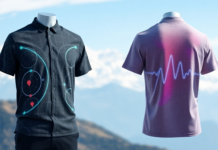
- Embedded sensors and conductive fibers enable real-time health monitoring and biometric data collection
- AI-powered design tools enable rapid pattern generation and personalized garment creation at scale
- Phase-change materials and thermoregulating fabrics automatically adapt to body temperature and environmental conditions
- Gesture recognition and touch-sensitive textiles enable hands-free device interaction and haptic feedback
- Energy harvesting technologies allow garments to generate power from body heat and movement
- Digital fashion showrooms and virtual fitting experiences democratize luxury apparel access
The Integration of Technology Into Fashion Expression
The transformation of fashion through technological integration represents one of the most consequential trends reshaping contemporary apparel development. Technology’s journey in fashion progressed from peripheral aesthetic augmentation to fundamental reimagining of garment functionality and consumer experience. Smart textiles, once dismissed as experimental novelty, now command significant market share within premium apparel segments. The valuation of global smart textile markets exceeding USD 12 billion reflects mainstream acceptance and commercial viability of technology-integrated fashion.
The fashion industry’s embrace of technological innovation reflects fundamental understanding that contemporary consumers expect garments to deliver functionality extending beyond aesthetic expression. Smart textiles address this expectation by seamlessly integrating advanced capabilities into wearable form factors. Unlike external wearable devices requiring charging, management, and functional learning curves, smart textiles function transparently, delivering enhanced capabilities without demanding conscious user engagement. This seamless integration of technology into apparel represents the ideal intersection of fashion and functionality.
Tech-driven fashion trends demonstrate that aesthetic appeal and technological sophistication need not exist in tension. Contemporary fashion designers increasingly conceptualize technology integration as creative opportunity rather than constraint. Visible conductive threads become design elements. Sensor placement creates dimensional texture. Responsive fabrics offer dynamic aesthetic properties responding to environmental changes. This design philosophy transforms technology from invisible enablement to visible expression of brand innovation and design sophistication.
Wearable Sensors and Biometric Monitoring
The integration of biometric sensors into apparel represents perhaps the most significant technological fashion trend reshaping health and wellness industries. Embedded sensors monitoring heart rate, body temperature, respiration, and movement patterns provide unprecedented health metrics without requiring conscious wearer participation. Healthcare applications—rehabilitation monitoring, chronic disease management, athletic performance optimization—create substantial commercial opportunities beyond traditional fashion markets.
Contemporary fashion trends emphasizing personal wellness and health consciousness accelerate adoption of biometric monitoring apparel. Consumers increasingly view health data as valuable personal information, justifying investment in wearable technology that provides comprehensive physiological insights. Apparel brands position biometric-enabled garments as premium offerings, with price points reflecting embedded technology value while maintaining aesthetic sophistication and wearing comfort.
The data generated through biometric-monitoring apparel creates additional commercial opportunities through personalized recommendations and insights. AI algorithms analyze collected data, providing users with actionable health and wellness recommendations customized to individual physiology and activity patterns. This data-driven personalization creates consumer engagement that extends beyond initial garment purchase, building brand loyalty through continuous value delivery.
Smart Textiles and Thermoregulatory Innovation
Temperature-regulating smart textiles represent perhaps the most commercially viable technological fashion trend. Incorporating phase-change materials or microclimate management systems, these fabrics automatically respond to body temperature fluctuations, maintaining optimal comfort across varying environmental conditions. Wearers no longer require constant adjustments through layering or artificial temperature control—the garment itself adapts to maintain consistent comfort.
Fashion trends emphasizing performance across multiple contexts drive demand for thermoregulatory smart textiles. Contemporary consumers expect apparel to function across diverse activities and environmental conditions. Commuting to climate-controlled offices, engaging in outdoor athletic activity, attending social events—all potentially within single day—creates demand for adaptable garments. Thermoregulatory smart textiles satisfy this expectation, enabling single garments to function effectively across wide operational ranges.
The commercial development of thermoregulatory textiles demonstrates technology’s intersection with fashion aesthetics. Initial smart textile offerings often prioritized functionality at the expense of visual appeal or wearing comfort. Contemporary offerings integrate technological sophistication invisibly within conventional fabric aesthetic, allowing consumers to gain performance benefits without compromise to fashion expression. This balance between technology and aesthetics represents maturation of smart textile development and increasing mainstream market acceptance.
AI-Powered Design and Manufacturing
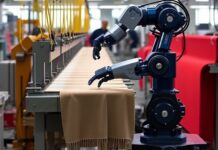
Artificial intelligence has become increasingly central to fashion design processes, from initial concept development through final production. Machine learning algorithms trained on historical design data, consumer response metrics, and fashion trend signals generate pattern suggestions, color recommendations, and silhouette options that designers utilize as starting points for creative exploration. Rather than replacing human creativity, AI tools augment designer capabilities, enabling rapid exploration of possibilities while eliminating some design risks.
AI-powered digital design environments enable real-time visualization of garments on diverse body types, simulating material behavior and aesthetic properties before physical prototyping. This capability dramatically accelerates design iteration while reducing sampling costs and environmental impact associated with traditional physical prototype creation. Fashion trends emphasizing sustainability directly benefit from AI-enabled virtual design processes that minimize physical waste while maximizing design exploration.
Generative AI tools now enable creation of photorealistic garment visualizations from simple text descriptions. Designers working with brands to conceptualize seasonal collections can rapidly generate hundreds of design iterations, facilitating collaborative exploration and client approval. This capability democratizes fashion design, enabling smaller brands and independent designers to achieve visualization quality previously requiring substantial design teams and financial resources.
Responsive and Interactive Textiles
Gesture recognition technologies integrated into smart textiles enable hands-free interaction with electronic devices. Wearers can navigate applications, control music, and answer communications through simple hand movements, eliminating requirement for device manipulation. This technology particularly benefits individuals with mobility limitations while offering convenience advantages for all users. Fashion trends emphasizing inclusivity and accessibility drive development of gesture-responsive apparel.
Touch-sensitive textiles with embedded haptic feedback systems create interactive surfaces enabling detailed sensory feedback. Medical applications—tactile rehabilitation, sensory training—demonstrate functionality beyond entertainment and convenience. Fashion brands exploring interactive textiles position them as premium offerings demonstrating technological leadership and design innovation.
Color-changing textiles responsive to temperature, light, or electrical stimulation create dynamic aesthetic properties previously impossible in traditional apparel. Fashion trends celebrating expressive individuality and technological sophistication drive experimentation with color-responsive fabrics. Garments that transform appearance based on environmental conditions or wearer input create unprecedented possibilities for dynamic fashion expression.
Energy Harvesting and Sustainable Technology Integration
Energy harvesting technologies enable garments to generate electricity from body heat and movement, powering embedded sensors and communication devices without requiring batteries or charging infrastructure. Piezoelectric fibers capture mechanical energy from wearer movement. Thermoelectric materials harvest temperature differential between body and environment. These sustainable power generation methods align perfectly with fashion trends emphasizing environmental responsibility.
Contemporary research increasingly focuses on energy-harvesting textile technologies that deliver meaningful power generation without compromising wearing comfort or aesthetic properties. Flexible, stretchable materials enabling energy harvesting while maintaining textile functionality represent significant technological achievements. Fashion brands incorporating energy-harvesting capabilities into premium collections position themselves as environmental innovators while delivering tangible functionality.
The intersection of energy harvesting with textile sustainability creates compelling narrative for luxury apparel. Garments generating their own power through completely renewable sources—human body heat and movement—represent the ideal of sustainable technology integration. Fashion consumers increasingly value such technological sophistication, justifying premium pricing while supporting continued research and development in this promising field.
Virtual and Digital Fashion Experiences
Fashion technology extends beyond physical apparel to virtual and digital environments. Virtual fashion showrooms enable consumers to browse and purchase collections through immersive digital experiences. AI-driven styling systems provide personalized recommendations based on individual preferences, body proportions, and style history. These digital experiences extend fashion accessibility beyond geographic and economic constraints of physical retail.
Virtual garment creation and metaverse fashion represent emerging technological trends shaping future apparel development. Digital-only clothing designed for virtual avatars creates new design possibilities unconstrained by physical materiality or wearability requirements. Fashion brands experimenting with virtual garments test aesthetic directions and narrative possibilities before committing resources to physical production.
The integration of virtual and physical fashion—consumers purchasing digital garments for avatars simultaneously with physical apparel counterparts—represents emerging commercial opportunity. NFT-based ownership of exclusive digital garments creates digital scarcity and collectibility, driving consumer demand for premium virtual fashion items. This convergence of physical and digital fashion reflects broader technology integration within apparel industry.
The Future of Tech-Fashion Integration
Tech-driven fashion trends will likely accelerate as emerging technologies mature and production costs decline. Biometric monitoring, energy generation, thermoregulation, and interactive textiles will transition from premium novelty to mainstream expectations across apparel segments. Fashion brands maintaining technological leadership will command competitive advantages as consumers increasingly expect sophisticated functionality alongside aesthetic appeal.
The democratization of technological fashion tools—AI design platforms, virtual fitting environments, digital production facilities—will enable smaller brands and individual designers to compete with established manufacturers. This technological democratization mirrors previous fashion industry transformations, potentially fragmenting markets while creating opportunities for innovative disruptors. The fashion industry’s future will be substantially shaped by how brands navigate technological integration while maintaining distinctive brand identity and creative expression.