





























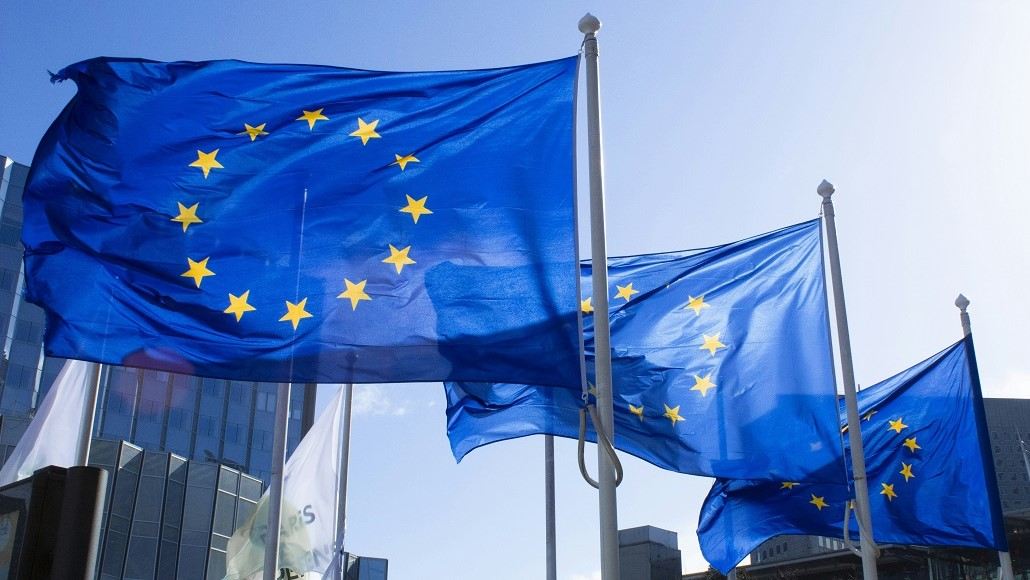

A coalition of industry associations has raised serious alarms concerning the increasing prevalence of state-run Producer Responsibility Organisations (PROs) within the European Union’s Extended Producer Responsibility (EPR) frameworks.
This trend, noted in several EU Member States, jeopardizes the core principles of EPR systems, essential for the region’s circular economy, the coalition warns.
Groups such as E-commerce Europe, EURATEX, and the Global Fashion Agenda assert that it is crucial for EPR systems to remain driven by producers, promoting transparency and accountability as outlined in Article 8a of the Waste Framework Directive.
They emphasize that harmonization throughout the EU is vital for a functional Single Market and for minimizing administrative burdens.
In addition, establishing clear distinctions between the roles of regulators, supervisors, and operators is critical to avoid conflicts of interest and ensure sound governance.
The industry has sounded the alarm over recent moves to assign PRO responsibilities to state-owned or controlled entities. These models, observed in waste management sectors such as packaging and batteries, pose a risk of undermining the fundamental governance principles of EPR if the roles are not clearly defined.
Concerns arise when the state adopts multiple roles, acting as regulator, supervisor, and operator, as this could diminish transparency, hinder accountability, and lead to the inappropriate use of EPR funds as general revenue instead of earmarked funding for targeted initiatives.
The coalition reiterates the importance of clear boundaries among regulators, supervisors, and operators. The emergence of state-run Producer Responsibility Organisations in the EU has the potential to impact the overall effectiveness and efficiency of EPR systems, prompting the industry to call for vigilance and coherent regulation.