





























PSI 2026

EU Parliament Makes Interim Deal on Textile Waste Rules

Note* - All images used are for editorial and illustrative purposes only and may not originate from the original news provider or associated company.

Subscribe

- Never miss a story with notifications

- Gain full access to our premium content

- Browse free from up to 5 devices at once

Media Packs

Expand Your Reach With Our Customized Solutions Empowering Your Campaigns To Maximize Your Reach & Drive Real Results!
– Access The Media Pack Now!
– Book a Conference Call
Leave Message for us to Get Back

Related stories

Premium Fabric Innovation Driving Demand for High-Value Apparel

The premium fabric innovation market is experiencing unprecedented growth, driven by consumer demand for superior comfort, durability, and performance. Advanced engineering technologies including nanotechnology, smart textiles, and engineered materials are reshaping high-value apparel across fashion, corporate, and promotional sectors. The global luxury fabric market is projected to reach USD 8.32 billion by 2030, expanding at an 11% CAGR. This comprehensive analysis explores how premium fabric innovation is elevating consumer expectations and creating competitive differentiation in the apparel industry.

Victoria’s Secret Raises FY25 Outlook After Strong Q3

US lingerie retailer Victoria’s Secret (VS&Co) has upgraded its Victoria’s...

Low Impact Manufacturing Methods Reducing Textile Environmental Footprint

Explore how resource-efficient production technologies such as waterless dyeing, energy optimization, and reduced chemical processing are revolutionizing textile manufacturing. This article examines low-impact methods that minimize environmental harm while maintaining quality and performance standards.

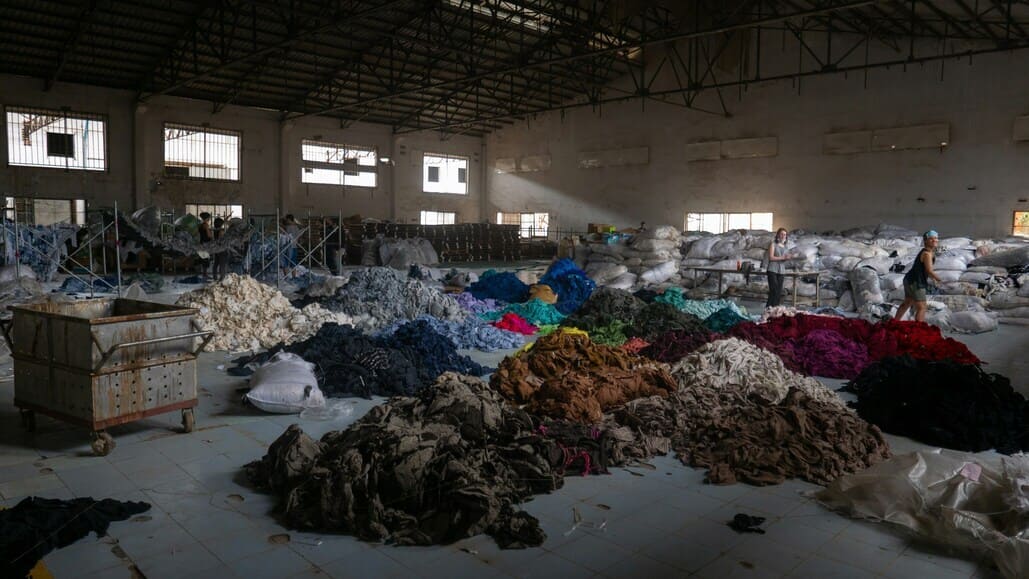
The European Union has reached a provisional agreement to enforce stricter rules on textile and food waste under a revised Waste Framework Directive. This deal introduces an Extended Producer Responsibility (EPR) framework, requiring textile producers to take financial responsibility for the waste their products generate. It also sets binding targets to reduce food waste across the EU by 2030.

Under the agreement, producers will pay fees for waste collection and treatment, with charges based on product sustainability and circularity. To encourage long-lasting clothing, EU member states may adjust fees depending on the durability of textile products. While all businesses must comply, microenterprises will have an additional year to meet the new requirements to minimize administrative burdens.

The rules particularly address the fast fashion sector, aiming to combat the growing problem of textile waste. For food systems, the binding targets aim to reduce waste at multiple stages of the supply chain, fostering a more sustainable framework.

The deal now awaits formal approval, and EU member states will have 20 months to implement the changes. Paulina Hennig-Kloska, rapporteur for the directive, stated, “This agreement is a significant step towards a robust, circular EU economy, upholding the polluter-pays principle while introducing ambitious food waste reduction targets.”

Latest stories

Related stories

Premium Fabric Innovation Driving Demand for High-Value Apparel

The premium fabric innovation market is experiencing unprecedented growth, driven by consumer demand for superior comfort, durability, and performance. Advanced engineering technologies including nanotechnology, smart textiles, and engineered materials are reshaping high-value apparel across fashion, corporate, and promotional sectors. The global luxury fabric market is projected to reach USD 8.32 billion by 2030, expanding at an 11% CAGR. This comprehensive analysis explores how premium fabric innovation is elevating consumer expectations and creating competitive differentiation in the apparel industry.

Victoria’s Secret Raises FY25 Outlook After Strong Q3

US lingerie retailer Victoria’s Secret (VS&Co) has upgraded its Victoria’s...

Low Impact Manufacturing Methods Reducing Textile Environmental Footprint

Explore how resource-efficient production technologies such as waterless dyeing, energy optimization, and reduced chemical processing are revolutionizing textile manufacturing. This article examines low-impact methods that minimize environmental harm while maintaining quality and performance standards.

Subscribe

- Never miss a story with notifications

- Gain full access to our premium content

- Browse free from up to 5 devices at once

Media Packs

Expand Your Reach With Our Customized Solutions Empowering Your Campaigns To Maximize Your Reach & Drive Real Results!

– Access The Media Pack Now!
– Book a Conference Call
Leave Message for us to Get Back

Translate »