


























EURATEX, the leading body representing Europe’s textile and fashion sector, has added its voice to the Antwerp Declaration Community’s appeal for urgent political action. The organisation is urging EU leaders to introduce fast-track measures aimed at rebuilding industrial strength and securing measurable progress for Europe’s manufacturing sector by 2026.
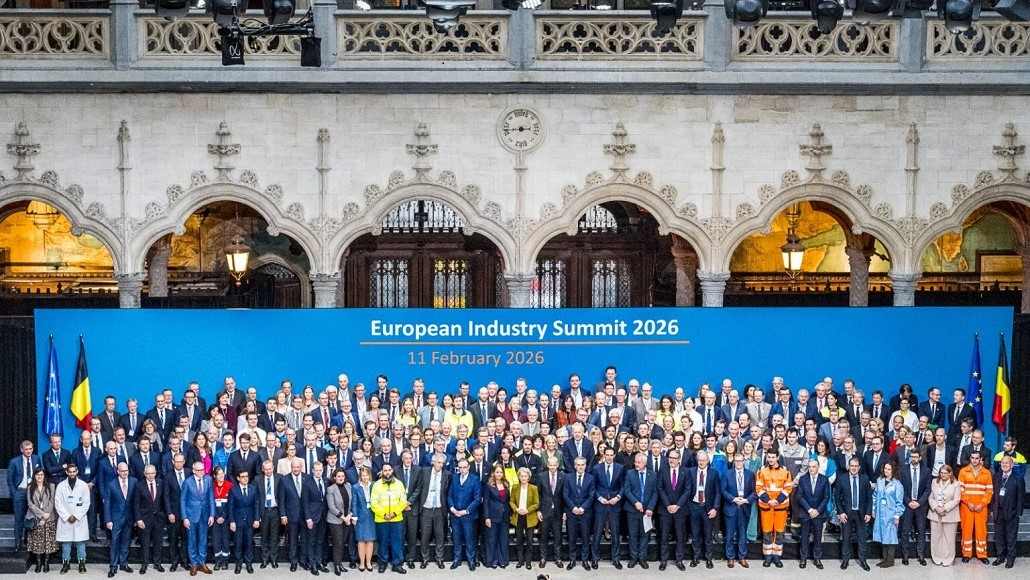
The appeal was delivered during the European Industry Summit, a high-level gathering that brought together more than 500 business executives, factory representatives, and European Commission President Ursula von der Leyen. Hosted under the leadership of Belgian Prime Minister Bart De Wever, the summit also featured key European figures including German Chancellor Friedrich Merz, French President Emmanuel Macron, Dutch Prime Minister Dick Schoof, Austrian Chancellor Christian Stocker, Executive Vice-Presidents Teresa Ribera and Stéphane Séjourné, and Commissioner Wopke Hoekstra. Their participation reflected growing concern over Europe’s declining industrial competitiveness.
Discussions at the summit focused on building a unified policy response centered on three priorities. These include lowering energy and carbon costs, strengthening trade enforcement to ensure fair competition, and stimulating demand for European-made goods through public procurement policies and improved market transparency.
Europe’s textile and fashion industry remains a major economic pillar, comprising nearly 200,000 companies and employing around 1.3 million people. Beyond clothing, the sector supplies essential technical textiles used in healthcare, automotive manufacturing, and defence. However, rising energy prices and a flood of low-cost, non-compliant imports—particularly through online marketplaces—are placing severe strain on responsible manufacturers. These pressures are contributing to factory shutdowns and job losses across multiple Member States.
Addressing delegates, EURATEX President Mario Jorge Machado stressed that political commitments must now be translated into practical outcomes. He emphasised that restoring European industrial competitiveness requires policies that actively support demand for sustainable, high-quality domestic production, while ensuring imported goods meet regulatory standards.
“Europe must regain confidence and pride in what it produces, and stimulate demand for high-quality and sustainable textiles made in Europe. This requires three concrete actions: public procurement that goes beyond price and reflects origin, sustainability and security for strategic textiles; increased transparency, feasible for SMEs; and effective market surveillance to stop non-compliant imports from dominating the market” affirmed the President.
EURATEX believes that without immediate reforms, Europe risks losing further ground to overseas competitors. By reinforcing supply chains, protecting fair trade, and encouraging buyers to prioritise compliant European products, policymakers can help revive European industrial competitiveness and strengthen the region’s manufacturing base.
Industry leaders at the summit agreed that restoring European industrial competitiveness will be essential to preserving jobs, encouraging innovation, and securing long-term economic resilience across the continent.