





















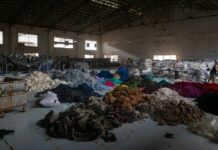
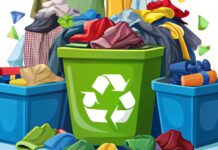








Every year, a significant volume of unused clothing across Europe is destroyed before reaching consumers. Industry estimates indicate that between 4% and 9% of surplus textile products are eliminated annually, resulting in nearly 5.6 million tonnes of carbon emissions.
To address this growing environmental concern, the European Union has introduced new measures under the Ecodesign for Sustainable Products Regulation (ESPR). The framework forms a key part of the EU textile waste regulation, which aims to eliminate unnecessary destruction of usable goods.
From 19 July 2026, large enterprises will no longer be permitted to dispose of unsold textile items. Medium-sized companies will be required to follow the same rules beginning in 2030, extending the regulation’s impact across the industry.
In addition to restricting destruction, the ESPR introduces mandatory transparency measures. Businesses must now report how many unsold consumer products they discard. Large companies are subject to these rules immediately, while medium-sized firms will comply from 2030.
To support enforcement, the European Commission has issued both Delegated and Implementing Acts, outlining how the regulation will be applied and monitored.
The Delegated Act identifies specific situations in which destruction may still be allowed, such as when products are damaged or pose safety risks. National authorities will oversee compliance and conduct necessary inspections.
At the same time, the Implementing Act introduces a standardised reporting system for documenting discarded goods. This format will become mandatory from February 2027, ensuring consistent data collection across member states.
A spokesperson from the Directorate-General for Environment explained that the new framework is designed to “cut waste, reduce environmental damage” and “create a level playing field” for companies adopting sustainable business models.
The Commission added that these reforms would help companies benefit from “a more circular economy,” strengthening both environmental responsibility and commercial resilience.
Regulators have also urged businesses to improve their operational practices. Companies are encouraged to enhance inventory planning, manage product returns more effectively, and prioritise alternatives to disposal, including resale, refurbishment, donations, and reuse.
Speaking on the initiative, Environment, Water Resilience and a Competitive Circular Economy Commissioner Jessika Roswall said:
“The textile sector is leading the way in the transition to sustainability, but there are still challenges. The numbers on waste show the need to act. With these new measures, the textile sector will be empowered to move towards sustainable and circular practices, and we can boost our competitiveness and reduce our dependencies.”
Alongside regulatory efforts, industry-led solutions are also gaining traction. Last month, organisations from seven European countries launched the TexMat initiative, which aims to establish a deposit-return system for used clothing.
Under this system, consumers are rewarded for returning recyclable garments, while digital notifications alert producers when items require responsible waste management.
Together, these developments mark a major shift in how surplus clothing is handled. Through the EU textile waste regulation, policymakers and industry leaders are working to embed circularity, accountability, and sustainability into Europe’s fashion and textile sector.