
























Recent data released by the Office des Changes indicates a challenging period for the Moroccan industrial sector, as Morocco textile exports and leather shipments recorded a 9.1% decrease by the end of May 2026. This downturn follows a difficult first quarter, signaling a sustained contraction rather than a temporary fluctuation. Within the specific segments, ready-made garments saw a decline of 8.2%, while the knitwear category experienced a sharper drop of 11.8%.
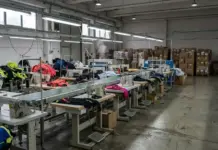
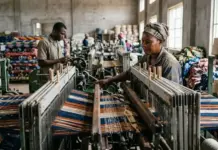
While initial assessments attributed earlier losses to logistics and weather-related issues, current figures for April and May suggest deeper structural textile industry challenges. Industry experts point to a critical garment manufacturing labor deficit as the primary driver behind the reduced output. Redouane Lachgar, an industrial strategy consultant, noted that approximately 16,000 machine operator positions remain unfilled across the country. This Morocco textile export decline is largely a result of this labor gap, which directly hinders the ability of factories to meet delivery schedules and fulfill international orders.
Economic Impact of the Labor Shortage
The garment production shortfall resulting from these vacancies has substantial financial implications. According to estimates provided by Lachgar, the lack of 16,000 operators—calculated against a standard 191-hour monthly work schedule and an average production rate of three items per hour—could result in a loss of 46 million garments over a five-month period. If this trend persists, the annualized loss in unrealized production is projected to reach approximately 5.5 billion dirhams.
The Morocco leather exports sector and the broader garment industry are currently caught in a structural bind. The root of the labor crisis lies in the disparity between urban living costs and industry wages. In major manufacturing hubs such as Tangier and Casablanca, monthly salaries are often capped at 3,600 dirhams. For workers relocating from other regions, the costs of housing, transportation, and daily essentials frequently exhaust their entire earnings, removing the financial incentive for employment in these urban centers.
Maintaining Global Competitiveness
The Morocco textile export decline poses a threat to the nation’s standing as a premier nearshoring destination for European clients. The industry’s primary advantage has traditionally been its speed and flexibility. However, when manufacturers lack the necessary garment manufacturing labor to handle peak demand, international buyers may seek faster alternatives in competing markets.
Addressing these textile industry challenges is becoming increasingly urgent. Employers face the difficult task of remaining price-competitive for global buyers while dealing with a workforce that cannot sustain itself on current wage levels. As Morocco textile exports and Morocco leather exports continue to struggle, the garment production shortfall remains a mechanical constraint that requires immediate attention to prevent the decline from becoming a permanent fixture of the economic landscape.