


























Industrialists in Syria have expressed that the survival of the national clothing sector depends on a comprehensive economic strategy rather than direct financial subsidies. This plan focuses on reducing production costs, reforming import regulations, and boosting exports to maintain the viability of the Syria garment industry, which remains a primary source of employment and a major contributor to the national economy.
Impact of Import Competition and Second-Hand Clothing
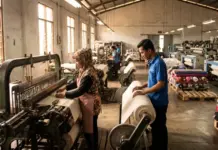
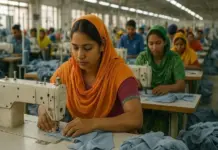
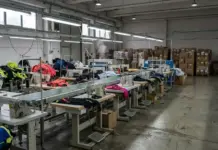
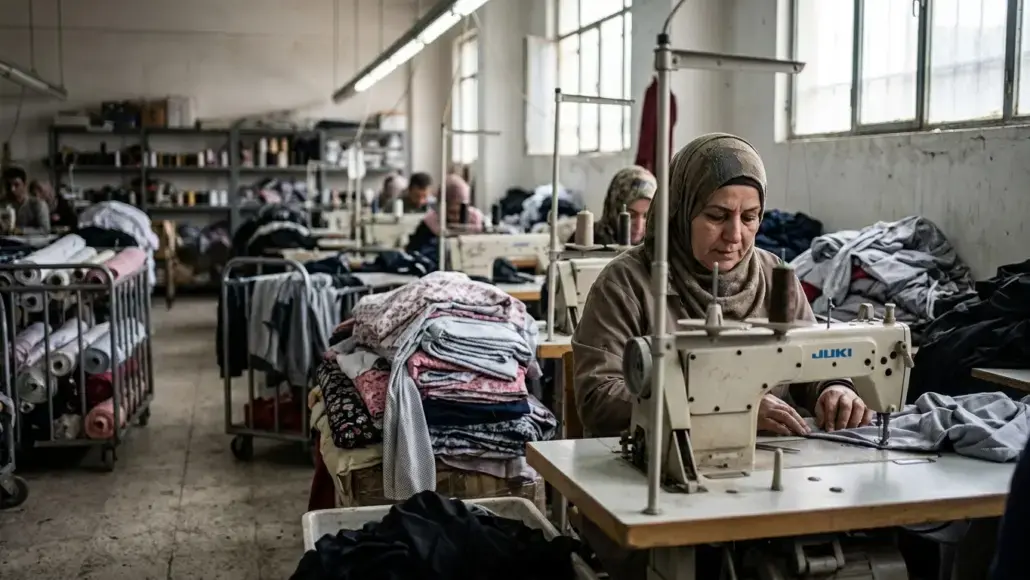
Garment workshops in major hubs like Hama are currently navigating a difficult period characterized by intense competition from foreign goods. A significant portion of this pressure comes from the influx of second-hand clothing, often referred to as “bale” clothes. Industry experts argue that the prevailing open-market policies lack the necessary safeguards to balance domestic manufacturing with imported products. This has resulted in a market saturated with low-priced alternatives that local producers find difficult to match, despite the high quality of Syrian-made goods.
Industrialists Monther Arhim and Majd Sukari have noted that workshops are dealing with a multitude of hurdles. These include the high price of imported fabrics, yarns, and essential accessories, alongside the escalating expenses associated with fuel, electricity, and logistics. Consequently, profit margins have narrowed, forcing some facilities to reduce their output or cease certain operations entirely. They emphasized that the current customs duties applied to manufacturing inputs create an additional strain, particularly since many of these materials are not produced within the country.
Customs Tariffs and Manufacturing Inputs
The Burden of New Tariff Structures
Under the updated tariff regulations that commenced in June, several categories of textile yarns and imported fabrics used in the manufacturing process are now subject to a 10% duty. Manufacturers argue that the issue is not limited to customs duties alone; the total cost of importing—including shipping, insurance, and domestic transport—adds significantly to the final price of locally produced items. There is a growing call among professionals to reduce or remove these cumulative costs to support the textile sector.
These concerns align with recent proposals from the Textile Industries Committees of the Damascus and Rural Damascus Chamber of Industry. The committees have highlighted that production costs in Syria have surpassed those in many competing nations. They have urged the government to adopt zero or significantly reduced customs duties on raw materials that lack local alternatives, while maintaining balanced tariffs on finished imported goods. Supporting these inputs is viewed as a vital step in restoring the competitiveness of the Syria garment industry in both local and international markets.
Dependency on Foreign Raw Materials
Mohammad Fawaz Al-Aqqad, a member of the Board of Directors of the Damascus Chamber of Commerce, stated that approximately 95% of the inputs required for the garment industry are sourced from abroad. Because there are no local substitutes for these materials, any rise in import costs or customs duties is immediately reflected in the retail price, hindering the ability of local products to compete effectively.
Strategic Proposals for Sector Recovery
To address the ongoing crisis, manufacturers in Hama and other regions are calling for a thorough review of economic policies. Their recommendations include:
- Eliminating duties on essential raw materials and imported fabrics.
- Improving the reliability and cost of energy for industrial use.
- Enhancing logistics and infrastructure to support the textile sector.
- Implementing export incentives to help Syrian goods reach neighboring markets.
The need to facilitate export processes is particularly urgent to offset the decline in domestic demand. Industry leaders believe that Syrian producers possess the expertise to create competitive products if the business environment is optimized. Furthermore, economists warn that the combination of rising production costs and low consumer purchasing power could lead to the closure of more small and medium-sized workshops. Addressing the energy crisis and re-evaluating the customs duties on manufacturing inputs are seen as essential steps to prevent further industry contraction and protect the thousands of jobs provided by this labor-intensive sector.

