






























PSI 2026

Advances in New Sustainable Fabrics by CMU Students

Note* - All images used are for editorial and illustrative purposes only and may not originate from the original news provider or associated company.

Subscribe

- Never miss a story with notifications

- Gain full access to our premium content

- Browse free from up to 5 devices at once

Media Packs

Expand Your Reach With Our Customized Solutions Empowering Your Campaigns To Maximize Your Reach & Drive Real Results!
– Access The Media Pack Now!
– Book a Conference Call
Leave Message for us to Get Back

Related stories

Fashion Trends Influencing Fabric Innovation in 2026

Emerging fashion preferences in 2026 are catalyzing unprecedented innovation in fiber development, fabric finishing, and material engineering. From advanced sustainable bio-cellulosics and smart textiles to regenerative fibers and performance-enhanced constructions, fashion-driven demand is pushing textile manufacturers to develop revolutionary materials that simultaneously address aesthetic trends and environmental imperatives.

How Sustainable Materials are Redefining Modern Fashion Trends

Sustainable materials have transitioned from niche alternatives to mainstream fashion imperatives, fundamentally redefining how designers approach trend creation and consumer expectations. From organic cotton and recycled polyester to innovative bio-based fibers like mycelium and fruit-waste textiles, the adoption of eco-friendly materials represents the most significant fashion trend reshaping the apparel industry's future.

Fashion Trends Shaping the Global Textile Landscape

The global textile industry is experiencing unprecedented transformation as fashion trends increasingly dictate material development, consumer demand patterns, and production innovations. With the market valued at USD 987.95 billion in 2024 and projected to reach USD 1,407.12 billion by 2034 at a CAGR of 3.60%, the intersection of fashion-driven trends and textile innovation is reshaping how garments are conceived, manufactured, and consumed worldwide.

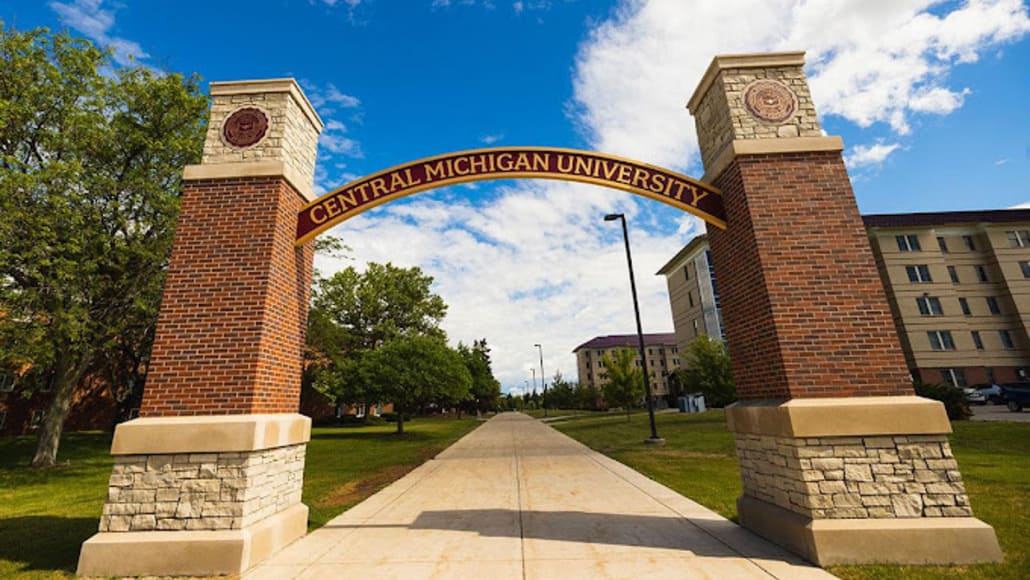
A tropical plant may hold the key to a more sustainable textile industry— Central Michigan University students are putting it to the test. Fashion merchandising and design majors, Zoe Renner and Cullen Douglas are working on an exciting fabric project using Abacá. This project focuses on developing Bananatex, the first durable, biodegradable and plastic-free fabric. Abacá, a relative to the banana tree, is the plant source for this new fabric. Naturally hardy, Abacá thrives without pesticides, fertilizers, or large amounts of water. These traits help promote biodiversity and economic sustainability and Renner and Douglas hope that the new fabric will be a more eco-friendly alternative to cotton.

Renner and Cullen are testing Bananatex using a thermal mannequin which is designed to simulate human body temperatures. The mannequin allows them to monitor temperature and sweat levels induced by the fabric. They also perform dry testing to evaluate the fabric’s properties without incorporating moisture. The combination of these tests allows researchers to measure how the fabric would perform in real-world conditions.

Runner and Cullen appreciate the assistance of Lauren Agnew, laboratory coordinator for the Center for Merchandising and Design Technology, and faculty member Tanya Domina. The students recently participated in the CMU 2025 Student Creative & Research Endeavors Exhibition (SCREE) and will also share their work at the American Association of Textile Colorists and Chemists (AATCC) conference. The students have received funding support from AATCC and a grant from the CMU Office of Research and Graduate Studies. Ultimately, the students hope to expand their research by testing a larger variety of clothing.

Latest stories

Related stories

Fashion Trends Influencing Fabric Innovation in 2026

Emerging fashion preferences in 2026 are catalyzing unprecedented innovation in fiber development, fabric finishing, and material engineering. From advanced sustainable bio-cellulosics and smart textiles to regenerative fibers and performance-enhanced constructions, fashion-driven demand is pushing textile manufacturers to develop revolutionary materials that simultaneously address aesthetic trends and environmental imperatives.

How Sustainable Materials are Redefining Modern Fashion Trends

Sustainable materials have transitioned from niche alternatives to mainstream fashion imperatives, fundamentally redefining how designers approach trend creation and consumer expectations. From organic cotton and recycled polyester to innovative bio-based fibers like mycelium and fruit-waste textiles, the adoption of eco-friendly materials represents the most significant fashion trend reshaping the apparel industry's future.

Fashion Trends Shaping the Global Textile Landscape

The global textile industry is experiencing unprecedented transformation as fashion trends increasingly dictate material development, consumer demand patterns, and production innovations. With the market valued at USD 987.95 billion in 2024 and projected to reach USD 1,407.12 billion by 2034 at a CAGR of 3.60%, the intersection of fashion-driven trends and textile innovation is reshaping how garments are conceived, manufactured, and consumed worldwide.

Subscribe

- Never miss a story with notifications

- Gain full access to our premium content

- Browse free from up to 5 devices at once

Media Packs

Expand Your Reach With Our Customized Solutions Empowering Your Campaigns To Maximize Your Reach & Drive Real Results!

– Access The Media Pack Now!
– Book a Conference Call
Leave Message for us to Get Back

Translate »