
























Avantium Launches New Tech to Recycle Polycotton Waste

Note* - All images used are for editorial and illustrative purposes only and may not originate from the original news provider or associated company.

Subscribe

- Never miss a story with notifications

- Gain full access to our premium content

- Browse free from up to 5 devices at once

Media Packs

Expand Your Reach With Our Customized Solutions Empowering Your Campaigns To Maximize Your Reach & Drive Real Results!
– Access The Media Pack Now!
– Book a Conference Call
Leave Message for us to Get Back

Related stories

Euratex Applauds EU Moves to Revamp Textile Sector

The European Apparel and Textile Confederation (Euratex) has expressed...

Lingerie Outerwear: From Undergarment to Fashion Statement

The lingerie outerwear trend represents a significant paradigm shift in fashion where intimate apparel transcends its traditional boundaries to become a bold, intentional style choice. This evolution combines structured fabrics with supportive designs, transforming visible intimates into powerful fashion statements that challenge conventional fashion norms and celebrate individual expression.

Rich Textures and Embellishments: Elevating Intimates Beyond Basics

Diversity in intimate apparel has become essential for modern brands seeking to serve global markets authentically and profitably. By expanding sizing options, incorporating adaptive features, and offering skin tone-appropriate varieties, contemporary intimate wear brands recognize that inclusivity isn’t merely an ethical imperative but rather a fundamental market reality that shapes consumer expectations and drives business success across diverse demographics.

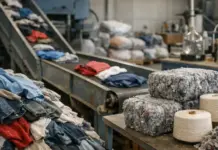
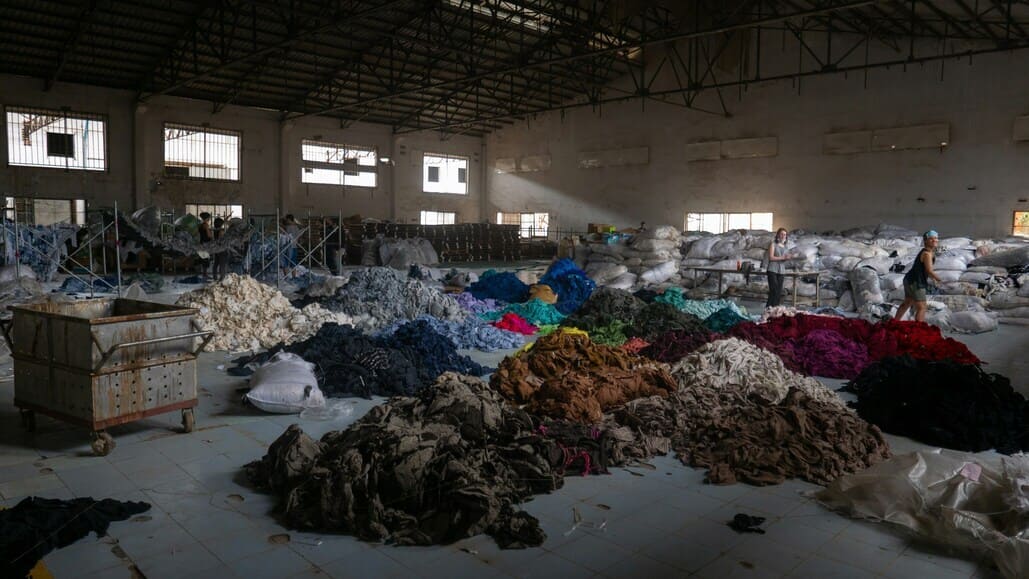
Dutch sustainable chemistry company Avantium has introduced a revolutionary method for recycling polycotton textile waste, enabling the separation and reuse of both cotton and polyester fibers. This innovative fibre-to-fibre recycling solution aims to tackle the growing issue of textile waste and marks a milestone in sustainable textile production.

Developed in collaboration with the Industrial Sustainable Chemistry group at the University of Amsterdam and spearheaded by Avantium’s Chief Technology Officer, Gert-Jan Gruter, the process utilizes hydrochloric acid to efficiently convert the cotton fraction of polycotton blends into glucose while preserving the polyester for reuse. This transformative dual-recycling capability, detailed in the scientific journal Nature Communications, is an industry first.

The process works by treating polycotton material with concentrated hydrochloric acid, which fully hydrolyzes the cotton cellulose into glucose. The polyester component is left intact and easily recoverable for recycling. The resulting glucose can serve as a versatile raw material for multiple applications, including the production of polymers, resins, solvents, and Avantium’s signature product, 2,5-furandicarboxylic acid (FDCA).

Avantium’s new technology leverages its existing Dawn Technology, which converts non-food plant-based materials into glucose and lignin. Successful trials conducted at Avantium’s laboratories and its pilot plant in Delfzijl have demonstrated the process’s effectiveness on post-consumer polycotton waste. These trials achieved high glucose recovery rates, suggesting the method is scalable and cost-effective.

With global textile production expected to reach 149 million tons by 2030 and current recycling rates below 1%, Avantium’s innovation offers a sustainable solution for the industry’s transition toward a circular, low-carbon economy. The technology aligns with increasing regulatory pressure on producers to manage textile waste responsibly, paving the way for a cleaner and more sustainable future.

Latest stories

Related stories

Euratex Applauds EU Moves to Revamp Textile Sector

The European Apparel and Textile Confederation (Euratex) has expressed...

Lingerie Outerwear: From Undergarment to Fashion Statement

The lingerie outerwear trend represents a significant paradigm shift in fashion where intimate apparel transcends its traditional boundaries to become a bold, intentional style choice. This evolution combines structured fabrics with supportive designs, transforming visible intimates into powerful fashion statements that challenge conventional fashion norms and celebrate individual expression.

Rich Textures and Embellishments: Elevating Intimates Beyond Basics

Diversity in intimate apparel has become essential for modern brands seeking to serve global markets authentically and profitably. By expanding sizing options, incorporating adaptive features, and offering skin tone-appropriate varieties, contemporary intimate wear brands recognize that inclusivity isn’t merely an ethical imperative but rather a fundamental market reality that shapes consumer expectations and drives business success across diverse demographics.

Subscribe

- Never miss a story with notifications

- Gain full access to our premium content

- Browse free from up to 5 devices at once

Media Packs

Expand Your Reach With Our Customized Solutions Empowering Your Campaigns To Maximize Your Reach & Drive Real Results!

– Access The Media Pack Now!
– Book a Conference Call
Leave Message for us to Get Back

Translate »