





























Key Takeaways
- Sustainable materials now represent mainstream fashion trends rather than niche market segments
- Organic cotton eliminates harmful pesticides while reducing environmental impact on soil and water resources
- Recycled polyester utilization has become a competitive differentiator in premium and mass-market segments
- Bio-based fibers including mycelium, seaweed, and fruit waste are gaining commercial viability at scale
- Consumer demand for transparency drives adoption of certification systems (GRS, GOTS) across supply chains
- Closed-loop production systems utilizing sustainable materials command premium pricing and consumer loyalty
- Fashion brands increasingly use sustainable material selection as primary brand differentiation strategy
The Emergence of Sustainable Materials as Fashion Imperative
The evolution of sustainable materials from experimental laboratory projects to mainstream fashion staples represents one of the most profound transformations in contemporary apparel development. Five years ago, sustainable materials commanded premium pricing and attracted consumers motivated primarily by environmental conviction. Today, sustainable fashion trends have become economically rational choices for manufacturers seeking competitive advantages while addressing consumer demand for environmental responsibility. This fundamental shift reflects both technological advancement and market maturation—sustainable materials have become cost-competitive with conventional alternatives while offering superior environmental profiles and often enhanced performance characteristics.
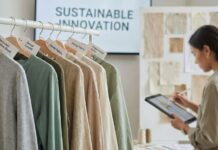
The fashion industry’s relationship with sustainable materials reveals deeper truths about how trends propagate through markets. Leading brands recognized that sustainability would become non-negotiable for their target demographics, particularly among younger consumers. Rather than resist this inevitable transition, forward-thinking companies positioned themselves as leaders in sustainable material adoption. This strategic positioning transformed what might have been perceived as compromise into competitive advantage. Brands that championed organic cotton, recycled polyester, and innovative bio-based fibers gained substantial market share and brand loyalty precisely because they aligned themselves with emerging fashion trends before these trends reached mainstream ubiquity.
Organic Cotton and Natural Fiber Revolution
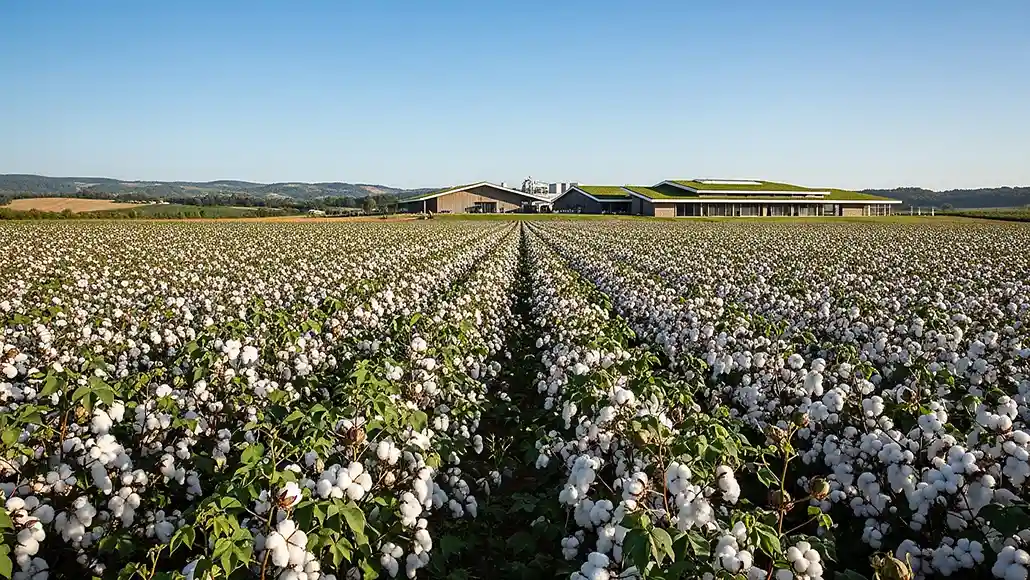
Organic cotton production, cultivated without synthetic pesticides or fertilizers, addresses one of the most environmentally damaging aspects of conventional cotton farming. The global fashion trend toward organic cotton reflects not merely preference for environmental purity but recognition of tangible benefits. Organic cotton cultivation requires substantially less water than conventional methods, produces stronger fibers due to slower growth cycles, and supports agricultural communities through premium pricing mechanisms that incentivize sustainable farming practices.
The sustainability advantage extends beyond environmental metrics. Organic cotton’s superior durability, softer hand-feel, and natural properties make it commercially attractive independent of environmental considerations. Fashion designers increasingly favor organic cotton for premium collections, where the enhanced quality justifies higher price points. The consumer trend toward quality-over-quantity purchasing reinforces organic cotton’s market position. A durable garment manufactured from organic cotton that maintains its aesthetic and functional properties after numerous seasons aligns perfectly with slow fashion trends emphasizing longevity over seasonal novelty.
Hemp and bamboo fibers represent additional natural alternatives gaining prominence in contemporary fashion trends. Hemp production requires minimal water, pesticides, or fertilizers, while producing exceptionally durable fibers. Bamboo, an extraordinarily fast-growing renewable resource, can be processed into soft, silk-like fabrics with minimal environmental impact. Fashion trends emphasizing transparency and environmental consciousness have driven textile manufacturers to develop sophisticated hemp and bamboo fabrics that satisfy both aesthetic demands of contemporary designers and sustainability expectations of conscientious consumers.
Recycled Synthetics and Circular Material Systems
The proliferation of recycled polyester utilization represents perhaps the most commercially significant sustainable material trend reshaping the apparel industry. Recycled polyester production, derived from post-consumer plastic bottles, reduces reliance on petroleum-based virgin materials while diverting waste from landfills. Major brands like established sportswear manufacturers have demonstrated that recycled polyester can match virgin polyester performance characteristics—durability, moisture-wicking, color fastness—while providing substantial environmental benefits.
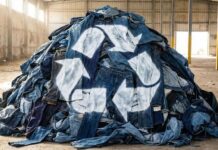
Textile-to-textile recycling represents an even more ambitious sustainable material trend currently scaling across the industry. Companies pioneering closed-loop recycling systems can process discarded polyester and nylon garments, breaking them down to base fibers, and reconstituting them into new fabrics. These systems eliminate the distinction between virgin and recycled materials, creating true circular material flows. The competitive advantage accrues to manufacturers and brands that successfully implement these systems before they become industry standard.
Recycled nylon, branded under proprietary names like regenerated nylon alternatives, has become particularly significant in performance apparel segments. Fashion trends emphasizing technical functionality combined with environmental responsibility drive adoption of recycled nylon in activewear, swimwear, and outdoor apparel. The enhanced performance characteristics—elasticity, strength, colorfastness—alongside environmental benefits position recycled nylon as premium material choice rather than compromise alternative.
Innovative Bio-Based and Laboratory-Grown Fibers
The emergence of laboratory-grown and bio-based sustainable materials represents the frontier of fashion-driven fiber innovation. Mycelium-based leather alternatives, developed from fungal networks, offer unprecedented opportunities for creating animal-free luxury materials. Fashion trends emphasizing cruelty-free and vegan alternatives accelerated development and commercialization of mycelium fabrics. These materials exhibit leather-like properties—durability, aesthetic appeal, water resistance—while offering superior environmental profiles to traditional leather production.
Seaweed-based textiles represent another innovative sustainable material gaining fashion traction. Designers experimenting with seaweed-derived fibers report exceptional properties—breathability, biodegradability, antimicrobial characteristics. Fashion trends incorporating unusual material narratives have created market acceptance for novel fibers that might otherwise face consumer skepticism. When luxury designers present seaweed textiles as cutting-edge innovation rather than experimental material, consumers embrace them as desirable fashion statements.
Fruit-waste textiles demonstrate remarkable commercial potential as sustainable materials aligned with contemporary fashion trends. Orange peel leather, developed through processing citrus industry byproducts, offers thermal regulation and antibacterial properties alongside environmental benefits. Pineapple leather (Piñatex) has achieved significant commercial scale, utilized by premium fashion brands seeking distinctive sustainable materials. Banana fiber textiles similarly leverage agricultural waste streams, creating value from materials previously discarded. These fruit-based sustainable materials address growing consumer demand for fashion transparency—consumers appreciate understanding material origins and environmental impact narratives.
Fashion’s Role in Scaling Sustainable Material Technology
Fashion brands wield substantial influence in determining which sustainable materials achieve commercial viability. When premium designers incorporate innovative sustainable materials into runway collections, they signal market viability and cultural legitimacy. This fashion endorsement accelerates investment in scaling production and improving manufacturing efficiency. Materials that might remain experimental laboratory developments gain rapid commercialization when fashion brands commit to volume purchases.
The competitive dynamics of luxury fashion accelerate sustainable material innovation. High-end brands differentiate themselves through exclusive material partnerships, contracting fiber producers to develop proprietary sustainable fabrics. This exclusivity commands premium pricing while motivating continued innovation. Fashion trends in luxury segments effectively subsidize sustainable material research and development, with costs diffused across premium-priced garments that consumers accept as necessary investments in quality and distinctiveness.
Consumer Perception and Market Transformation
The evolution of consumer attitudes toward sustainable materials reflects broader shifts in fashion consciousness. Early adopters of sustainable materials often sacrificed aesthetic preferences for environmental conviction. Contemporary fashion trends demonstrate that sustainable materials can satisfy aesthetic demands while providing environmental benefits. This alignment removes the compromise perception, transforming sustainable material choices into straightforward value propositions.
Fashion marketing has proven remarkably effective at educating consumers regarding sustainable materials. When brands transparently communicate material origins, environmental benefits, and performance characteristics, consumers demonstrate willingness to pay premium prices. Certification systems—Global Recycle Standard (GRS), Global Organic Textile Standard (GOTS)—provide credibility verification that builds consumer confidence. Fashion trends emphasizing authenticity and transparency leverage these certification systems as competitive differentiators.
The economics of sustainable materials have shifted decisively toward mainstream adoption. Production scaling, improved manufacturing processes, and technological advancement have reduced price premiums substantially. Many sustainable materials now achieve price parity with conventional alternatives while offering superior environmental and performance characteristics. This economic transformation has moved sustainable materials from luxury positioning to accessibility across market segments, fundamentally democratizing the sustainable fashion trend.
The Future of Sustainable Material Innovation
The trajectory of sustainable material development suggests continued acceleration in innovation and commercialization. Research into laboratory-grown materials, advanced recycling technologies, and novel bio-based fibers continues expanding possibilities for fashion designers. Each breakthrough creates new fashion trend opportunities, potentially opening entirely new aesthetic and functional possibilities previously unavailable through conventional materials.
The intersection of sustainable materials and technological innovation suggests remarkable possibilities. Smart textiles incorporating sustainable materials could offer unprecedented functionality—garments that monitor health metrics while utilizing recycled or bio-based fibers. Fashion trends emphasizing both environmental responsibility and technological advancement create market conditions where these innovations attract substantial investment and rapid commercialization. The coming decade will likely witness sustainable materials becoming the default choice rather than conscious alternative, fundamentally reshaping how fashion trends express themselves through material selection and production methodology.