






























PSI 2026

Source Fashion Report: Combatting the Overproduction Crisis

Note* - All images used are for editorial and illustrative purposes only and may not originate from the original news provider or associated company.

Subscribe

- Never miss a story with notifications

- Gain full access to our premium content

- Browse free from up to 5 devices at once

Media Packs

Expand Your Reach With Our Customized Solutions Empowering Your Campaigns To Maximize Your Reach & Drive Real Results!
– Access The Media Pack Now!
– Book a Conference Call
Leave Message for us to Get Back

Related stories

Fashion Trends Influencing Fabric Innovation in 2026

Emerging fashion preferences in 2026 are catalyzing unprecedented innovation in fiber development, fabric finishing, and material engineering. From advanced sustainable bio-cellulosics and smart textiles to regenerative fibers and performance-enhanced constructions, fashion-driven demand is pushing textile manufacturers to develop revolutionary materials that simultaneously address aesthetic trends and environmental imperatives.

How Sustainable Materials are Redefining Modern Fashion Trends

Sustainable materials have transitioned from niche alternatives to mainstream fashion imperatives, fundamentally redefining how designers approach trend creation and consumer expectations. From organic cotton and recycled polyester to innovative bio-based fibers like mycelium and fruit-waste textiles, the adoption of eco-friendly materials represents the most significant fashion trend reshaping the apparel industry's future.

Fashion Trends Shaping the Global Textile Landscape

The global textile industry is experiencing unprecedented transformation as fashion trends increasingly dictate material development, consumer demand patterns, and production innovations. With the market valued at USD 987.95 billion in 2024 and projected to reach USD 1,407.12 billion by 2034 at a CAGR of 3.60%, the intersection of fashion-driven trends and textile innovation is reshaping how garments are conceived, manufactured, and consumed worldwide.

Source Fashion, the premier hub for ethical sourcing and fashion innovation, has unveiled a groundbreaking report addressing one of the most urgent yet neglected challenges in the fashion sector: overproduction.

Entitled “Do We Really Need to Produce So Much?”, this report—crafted in partnership with retail foresight consultancy Insider Trends—delivers a comprehensive analysis of the extent, origins, and implications of overproduction. It proposes forward-thinking strategies for brands aiming to stay competitive while minimizing waste and environmental footprints. The complete report is now accessible for download at Source Fashion – Overproduction Report 2025.

Overproduction: A Widespread and Costly Challenge

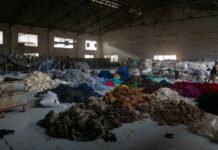
The findings indicate that the global fashion industry manufactures between 80 and 150 billion garments each year, yet approximately 40% of these items remain unsold, often ending up in landfills, incinerators, or markdown outlets. Despite the significant environmental and economic consequences, merely 1% of fashion brands are making efforts to cut down on production volumes.

A New Model for Fashion

Instead of merely illuminating the issue, the report offers practical models already being tested by prominent brands and retailers:

  • On-Demand Production – Manufacturing exclusively what is necessary, at the right time, to eradicate surplus stock.

  • Circular Design – Developing garments intended for reuse, repair, or recycling, thereby prolonging their lifecycle.

  • Retail-as-a-Service – Transitioning from ownership to access-based models such as rental, resale, and subscription services.

  • Collaborative Creation – Partnering with consumers in the design process to enhance relevance and curtail waste.

As stated in the report, “Brands can reduce production without reducing profit. In fact, in many cases, it increases margins and strengthens consumer trust.” The publication features case studies from brands already adopting these methods, showcasing the commercial viability alongside sustainability benefits.

A Pivotal Moment for Retail

This report is released at a crucial juncture for the fashion industry, facing evolving consumer expectations, economic volatility, and mounting pressure from regulators and investors.

Suzanne Ellingham, Sourcing Director at Source, remarked, “This report highlights the uncomfortable truth behind retail success — that excess production is built into the model with volume being the only way to increase profits. As we approach 2025, companies must question not only how they produce, but how much, and how they deal with . There are real overproduction and excess. Opportunities for those willing to embrace a leaner, smarter, more circular future.”

Latest stories

Related stories

Fashion Trends Influencing Fabric Innovation in 2026

Emerging fashion preferences in 2026 are catalyzing unprecedented innovation in fiber development, fabric finishing, and material engineering. From advanced sustainable bio-cellulosics and smart textiles to regenerative fibers and performance-enhanced constructions, fashion-driven demand is pushing textile manufacturers to develop revolutionary materials that simultaneously address aesthetic trends and environmental imperatives.

How Sustainable Materials are Redefining Modern Fashion Trends

Sustainable materials have transitioned from niche alternatives to mainstream fashion imperatives, fundamentally redefining how designers approach trend creation and consumer expectations. From organic cotton and recycled polyester to innovative bio-based fibers like mycelium and fruit-waste textiles, the adoption of eco-friendly materials represents the most significant fashion trend reshaping the apparel industry's future.

Fashion Trends Shaping the Global Textile Landscape

The global textile industry is experiencing unprecedented transformation as fashion trends increasingly dictate material development, consumer demand patterns, and production innovations. With the market valued at USD 987.95 billion in 2024 and projected to reach USD 1,407.12 billion by 2034 at a CAGR of 3.60%, the intersection of fashion-driven trends and textile innovation is reshaping how garments are conceived, manufactured, and consumed worldwide.

Subscribe

- Never miss a story with notifications

- Gain full access to our premium content

- Browse free from up to 5 devices at once

Media Packs

Expand Your Reach With Our Customized Solutions Empowering Your Campaigns To Maximize Your Reach & Drive Real Results!

– Access The Media Pack Now!
– Book a Conference Call
Leave Message for us to Get Back

Translate »