

















In its fourth Annual Progress Update, the UK Textiles Pact reports that sustainability teams across the United Kingdom are making real advances in reducing environmental impacts through the enhancement of products, materials, and processes. However, production levels continue to rise as numerous brands and retailers stick to traditional growth methods. The update emphasizes that these familiar models are still viewed as the primary approach for competitiveness and commercial sustainability in an increasingly unstable global textiles market.
The pact has set forth two bold targets aimed at transforming the textiles sector by 2030: a 50% reduction in the total carbon footprint of new textile products sold in the UK and a 30% reduction in their overall water footprint.
For four consecutive years, signatories have acted under the pact to improve their products by using less impactful fibers, increasing the proportion of recycled content, and adopting more sustainable manufacturing practices.
These sustainability efforts are yielding positive results; according to the Waste and Resources Action Programme (WRAP), a global NGO focused on environmental action, the impacts per tonne of textiles have diminished, with carbon emissions decreasing by 6% and water consumption declining by 9% in comparison to 2019 data.
When factoring in the contributions of reuse and recycling signatories, who collectively removed 1.12 million tonnes of carbon dioxide in 2024, these figures indicate substantial progress towards the pact’s objectives.
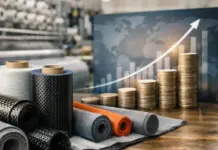
Despite these victories, the overall gains are being counterbalanced by the growth in production volumes. In 2024, brands and retailers released 17% more textiles into the market than in 2019, leading to a 10% rise in total carbon emissions and a 7% increase in water usage. This suggests that while product impacts are decreasing, the sheer volume produced is causing an upward trend in the overall environmental footprint, as highlighted by WRAP.
All signatories remain committed to reducing the environmental impacts of their products. Notably, 62% of textiles introduced by signatories have reduced environmental effects, increasing from 25% in 2019. Furthermore, 16% of fibers used are now recycled, a significant jump from 2% recorded in 2021, surpassing the global average of 7.6%.
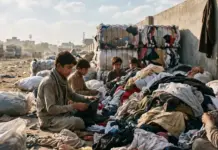
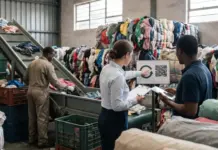
In terms of reuse and recycling efforts, organizations processed 210,000 tonnes of used textiles in 2024, a 27% increase since 2019. The volume of items collected for reuse and recycling by brands and retailers has almost tripled since 2019, capturing textiles that might have otherwise been thrown away.
Circular business models continue to gain traction. While they currently represent a modest 0.02% of the total volume sold or placed on the market, the adoption rate is rising year after year, with 13% of used textiles reported by reuse and recycling signatories being sold through peer-to-peer platforms in 2024.
In conclusion, although the UK Textiles Pact demonstrates notable advancements in sustainability efforts, the persistent rise in production poses a significant challenge that demands ongoing commitment to sustainable practices within the industry.