




























PSI 2026

Vietnam & Sweden’s Syre Group Signs MoU for Fabric Recycling

Note* - All images used are for editorial and illustrative purposes only and may not originate from the original news provider or associated company.

Subscribe

- Never miss a story with notifications

- Gain full access to our premium content

- Browse free from up to 5 devices at once

Media Packs

Expand Your Reach With Our Customized Solutions Empowering Your Campaigns To Maximize Your Reach & Drive Real Results!
– Access The Media Pack Now!
– Book a Conference Call
Leave Message for us to Get Back

Related stories

The Connection Between Fashion Trends and Performance Textiles

The contemporary convergence of fashion consciousness and performance demand has fundamentally reimagined textile functionality. Modern apparel expectations increasingly demand simultaneous satisfaction of aesthetic preferences and technical performance requirements. Moisture management, durability, comfort, and thermal regulation have transformed from specialized athletic textile concerns into mainstream fashion expectations driving fundamental textile innovation.

Climate-Responsive Fashion Trends Shaping Seasonal Textile Development

Climate-responsive fashion represents innovative approach to textile development addressing environmental variability through intelligent fabric engineering. From thermoregulating textiles responding to temperature fluctuations to breathability systems managing moisture across varying climates, contemporary fashion trends increasingly demand textiles that adapt to environmental conditions rather than requiring wearer constant adjustment through layering or clothing changes.

Craft Revival and Artisanal Techniques Returning to Fashion Trends

Traditional handcrafted details, artisanal techniques, and heritage textile methods are experiencing unprecedented renaissance in contemporary fashion. From hand-weaving and embroidery to traditional dyeing and beadwork, ancient craft traditions bridge generational gaps and cultural identities while addressing modern consumer demand for authenticity, sustainability, and meaningful production narratives.

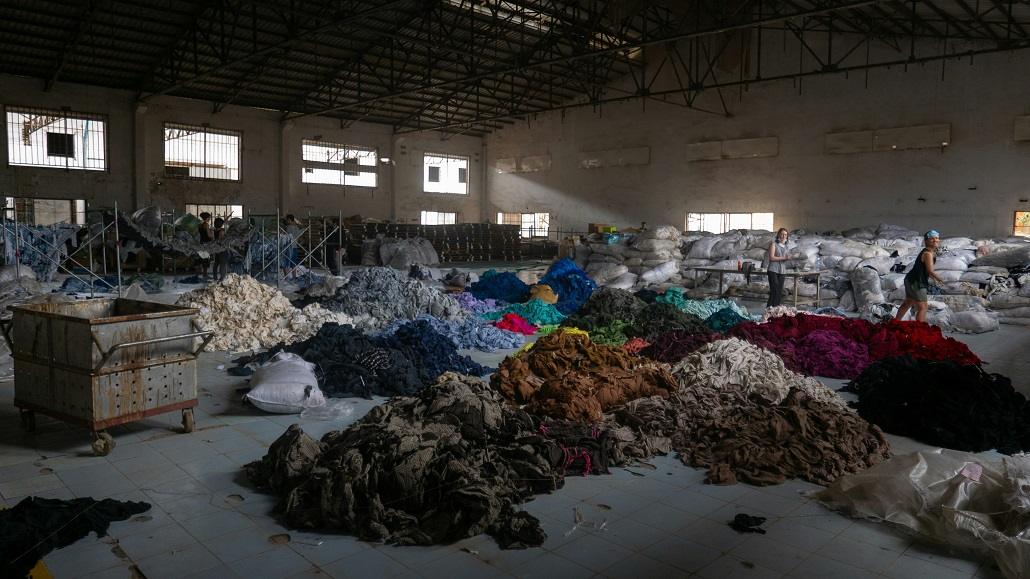
Binh Dinh province in Vietnam recently entered into a memorandum of understanding (MoU) with Sweden’s Syre Group to collaborate on a polyester fabric recycling initiative.

Syre Group specializes in recycling textile fibers through a fabric-to-fabric approach, aiming to minimize carbon emissions and textile waste via large-scale recycling methods.

This ambitious project is projected to have a capacity of 250,000 tonnes annually and will require an investment of $1 billion, with plans for it to become operational by the end of 2028.

It forms part of Syre’s broader strategy to establish a global network of giga-scale recycling plants.

Utilizing cutting-edge technology that meets US and EU standards, the facility will produce recycled polyester of comparable quality to virgin polyester, while enhancing sustainability. Additionally, the project is expected to create hundreds of high-quality jobs and facilitate a closed-loop system from textile waste to circular polyester fibers, according to a statement from the provincial government.

Vietnam’s Prime Minister has instructed the province to expedite the project’s implementation.

Dennis Nobelius, the General Director of Syre Group, indicated that the company plans to source textile waste from India, Spain, Indonesia, and the Philippines, while also addressing challenges related to raw material imports.

Latest stories

Related stories

The Connection Between Fashion Trends and Performance Textiles

The contemporary convergence of fashion consciousness and performance demand has fundamentally reimagined textile functionality. Modern apparel expectations increasingly demand simultaneous satisfaction of aesthetic preferences and technical performance requirements. Moisture management, durability, comfort, and thermal regulation have transformed from specialized athletic textile concerns into mainstream fashion expectations driving fundamental textile innovation.

Climate-Responsive Fashion Trends Shaping Seasonal Textile Development

Climate-responsive fashion represents innovative approach to textile development addressing environmental variability through intelligent fabric engineering. From thermoregulating textiles responding to temperature fluctuations to breathability systems managing moisture across varying climates, contemporary fashion trends increasingly demand textiles that adapt to environmental conditions rather than requiring wearer constant adjustment through layering or clothing changes.

Craft Revival and Artisanal Techniques Returning to Fashion Trends

Traditional handcrafted details, artisanal techniques, and heritage textile methods are experiencing unprecedented renaissance in contemporary fashion. From hand-weaving and embroidery to traditional dyeing and beadwork, ancient craft traditions bridge generational gaps and cultural identities while addressing modern consumer demand for authenticity, sustainability, and meaningful production narratives.

Subscribe

- Never miss a story with notifications

- Gain full access to our premium content

- Browse free from up to 5 devices at once

Media Packs

Expand Your Reach With Our Customized Solutions Empowering Your Campaigns To Maximize Your Reach & Drive Real Results!

– Access The Media Pack Now!
– Book a Conference Call
Leave Message for us to Get Back

Translate »