






















Tag: apparel
Articles
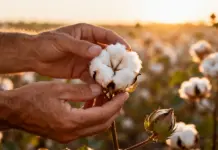
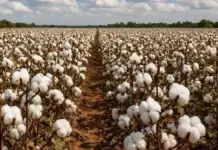
Fashion Brands Push Regenerative Farming and Cotton Traceability to Reshape Sourcing
The fashion industry's sustainability efforts are now reaching back to the very fields where raw materials begin their journey. As concerns mount over farming's...
Apparel
US Retail Sales Rise for 12th Consecutive Month as Consumers Stay Budget Conscious
US retail sales continued their upward trajectory in September, marking the 12th consecutive month of growth even as rising gasoline prices placed growing pressure...
Apparel
SANITIZED and RUDOLF Join Forces to Extend Textile Performance and Wearability
Burgdorf, Switzerland / Geretsried, Germany, October 13, 2026 – Long-lasting
performance textiles require solutions that address a wide range of consumer
expectations, from lasting freshness and...
News
WRAP Plans New System to Improve Textile Reuse and Recycling in the UK
The UK's waste and resources charity, WRAP, is working on developing a new framework designed to significantly improve how used textiles are collected, sorted,...
Apparel
ASOS Investigates Possible Customer Data Exposure After App Alert
British online fashion retailer ASOS is investigating unauthorised access to third-party communication platforms after customers received a suspicious mobile notification claiming the company’s systems...
Apparel
Garment Failure Drives Brand Abandonment, Reveals Samsara Eco Report
A new report from Australian circular materials company Samsara Eco has shed light on how consumers actually behave when a garment they've recently purchased...
Apparel
Uniqlo Eyes H&M’s No. 2 Spot After Record Sales and Profits on Global Boom
Fast Retailing, the Japanese company behind the Uniqlo and GU clothing brands, is closer than ever to overtaking H&M as the world's second-largest apparel...
Subscribe
- Never miss a story with notifications
- Gain full access to our premium content
- Browse free from up to 5 devices at once
Must read