































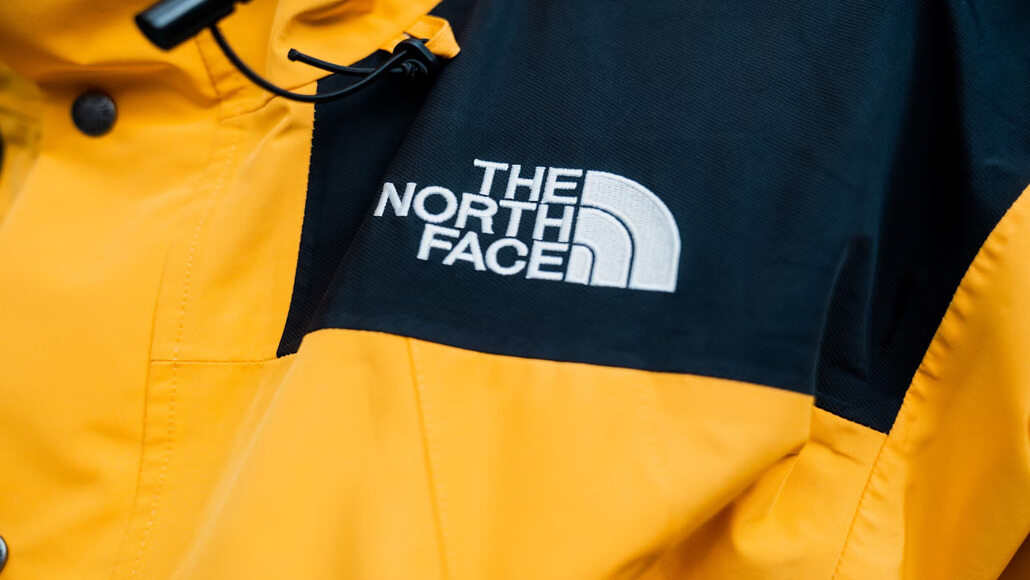
VF Corporation is expanding its push for item-level stock precision through a new partnership with Nedap, selecting the technology group’s Inventory Engine as the platform it plans to deploy across more than 1,500 stores and multiple distribution touchpoints. The rollout is intended to create a single, trusted view of inventory across VF’s brand portfolio—home to labels such as The North Face, Vans and Timberland—and to strengthen omnichannel execution as shopping journeys blur across stores, e-commerce and other channels.
The implementation will begin in Q2 2026 with The North Face, with additional VF brands expected to follow in phases. VF said the goal is to build a stronger operational base for end-to-end inventory visibility, improving day-to-day store execution while enabling more data-driven decisions on replenishment, fulfilment and customer service.
VF’s focus is on creating a unified view of stock, reducing the inconsistencies that can appear when inventory data sits in separate systems across stores, warehouses and vendor networks. With Nedap’s platform, the company expects higher stock accuracy and better product availability, which in turn supports more consistent omnichannel experiences across regions.
The initiative is not limited to store floors. VF said it is extending visibility deeper into distribution channels, a move it links to efforts to curb grey-market activity and reinforce brand protection measures. By tightening traceability and transparency through the network, the company expects to improve control over where product is and how it moves.
“Our consumers expect the same level of product availability and service whether they shop online, in-store or through any of our brand touchpoints,’ says Carsten Trenz, VP of Digital at VF Corporation. “Unified visibility across our operations allows us to deliver that consistency and build long term customer loyalty.”
Hope Waldron, VP of Supply Chain Strategy, VF Corporation adds: “Extending our RFID program beyond stores to include distribution centers and vendor partners at the source gives us greater transparency across our entire supply chain. That visibility improves our ability to ensure product availability, strengthen brand protection, and deliver a more consistent consumer experience.”
VF said it chose Nedap after reassessing its long-term needs following a pilot using a different solution. The company cited requirements around scalability, platform design and global support as key factors in selecting a system capable of handling the complexity of a multi-brand, multi-region rollout.
Nedap framed the deal as part of a broader shift toward unified commerce that depends on reliable inventory data. “In today’s retail landscape, unified commerce only works when brands can rely on one consistent source of truth for their inventory,” says Hilbert Dijkstra, Managing Director Retail at Nedap. “VF’s decision to invest in end-to-end visibility reflects a clear vision for the future: the ability to serve consumers seamlessly across any channel. Through ongoing innovation of our platform, we help VF operate with confidence, agility and precision.”
For VF, the partnership is positioned as an infrastructure upgrade—using RFID-driven, item-level tracking to deliver end-to-end inventory visibility not just within stores, but across distribution and supplier networks, where accuracy and speed increasingly determine both customer satisfaction and operational efficiency.

