



























PSI 2026

The Environmental Benefits and Carbon Savings of Textile Recycling

Textile recycling delivers substantial and quantifiable environmental benefits spanning carbon emission reduction, water conservation, chemical usage elimination, and resource preservation. Comprehensive lifecycle assessment data demonstrates that fiber-to-fiber textile recycling achieves 87% carbon reduction compared to virgin polyester production, eliminates 99% of water consumption compared to virgin cotton cultivation, and reduces chemical usage dramatically across production stages. These environmental advantages compound across material cycles, creating cumulative environmental benefit justifying aggressive circular textile system scaling as critical climate change mitigation and environmental protection strategy.

How Textile Recycling Supports Sustainable Fashion Trends and Market Shifts

Textile recycling is fueling emerging sustainable fashion movements and accelerating market shifts toward circular business models as consumer preferences increasingly prioritize environmental impact alongside style and quality. Generational preference evolution, regulatory momentum, brand sustainability positioning, and genuine circular product availability are converging to reshape fashion industry toward sustainable and circular models. Textile recycling infrastructure and technology advancement directly enables these market shifts by providing the material foundation necessary for authentic circular fashion transition at scale.

The Global Rise of Textile Recycling and Its Impact on the Apparel Industry

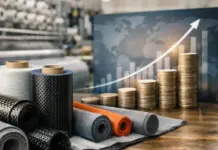
The global textile recycling market is experiencing unprecedented growth, projected to reach USD 11.88 billion by 2030 from USD 8.41 billion in 2025, representing a 7.2% compound annual growth rate. This transformation is reshaping apparel manufacturing, sourcing strategies, sustainability commitments, and long-term fashion industry models as brands, retailers, and manufacturers increasingly recognize that circular economy principles are not optional but essential for competitive survival and regulatory compliance.

Textile Recycling and Its Role in Reducing Microplastic Pollution

Textile production and consumption generates significant microplastic pollution through fiber shedding during manufacturing, washing, wearing, and disposal. Advanced textile recycling techniques particularly fiber-to-fiber chemical recycling offer pathway to substantially reduce microplastic release by diverting garments from landfills and incineration while eliminating problematic fiber shedding from conventional virgin fiber processing. Strategic integration of circular textile systems with microplastic reduction represents critical environmental benefit often overlooked in sustainability discussions, addressing ocean pollution and ecosystem contamination at material source level.

Closing the Loop in Sportswear Through Advanced Textile Recycling Solutions

Performance apparel and sportswear brands are pioneering circular business models leveraging advanced textile recycling to create closed-loop systems where worn athletic garments are recovered, processed through chemical recycling, and transformed into new performance fibers. Technical textile recycling addresses unique challenges of polyester, nylon, elastane, and moisture-wicking finishes while enabling brands to market genuine circular products, strengthen customer engagement, and reduce material sourcing costs through take-back programs and strategic recycling partnerships.

Why Textile Recycling Is Essential for Waste Reduction in the Fashion Supply Chain

Textile recycling plays a critical role in mitigating waste at every stage of the fashion supply chain, from initial fiber production through manufacturing, consumption, and post-consumer collection. By addressing pre-consumer waste through manufacturing efficiency and post-consumer waste through take-back programs, textile recycling fundamentally restructures how the fashion industry manages material flows and environmental responsibility throughout its entire value chain.

The Future of Fiber-to-Fiber Textile Recycling and Material Regeneration

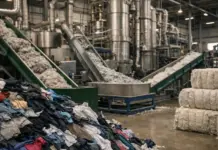
Fiber-to-fiber recycling represents the ultimate achievement in textile waste management, enabling post-consumer and pre-consumer textile waste to be transformed into virgin-quality materials capable of indefinite recycling cycles. Advanced regeneration technologies now enable high-purity recovery of recycled cotton, polyester, wool, and blended materials for next-generation apparel, effectively closing material loops and enabling true circular textile systems where material value persists across multiple product lifecycles without quality degradation.

Subscribe

- Never miss a story with notifications

- Gain full access to our premium content

- Browse free from up to 5 devices at once

    Must read

    Translate »