



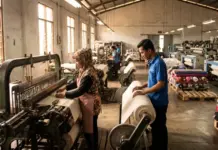
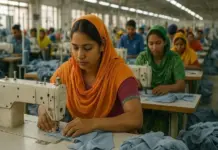


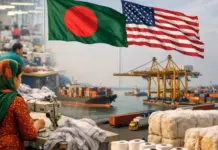





















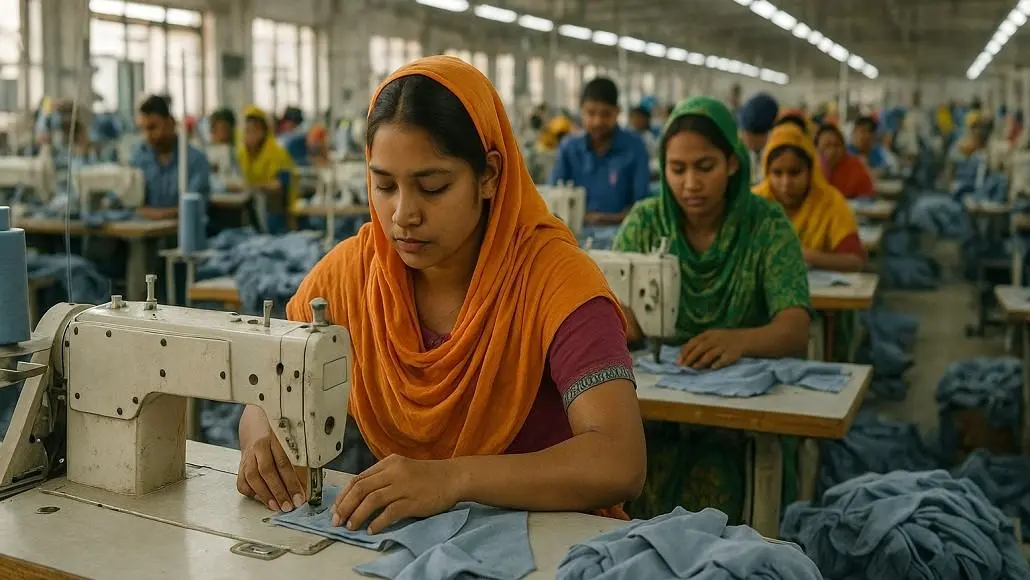
Vietnam has officially sanctioned a strategic development plan for its garment and footwear industries, aiming for a significant transformation by 2030. This initiative focuses on moving the country away from low-end assembly toward a more sophisticated, high-value production model. As these changes take hold, they are set to influence textile garment exports across the region, presenting a new set of challenges for the Bangladesh textile sector.
Vietnam’s Strategic Shift Toward High-Value Production
The Vietnamese government’s roadmap emphasizes the creation of a localized supply chain to minimize dependence on imported raw materials. By fostering domestic production of yarn, fabric, and accessories, the nation aims to capture more value within its borders. This modernization is expected to streamline garment exports and solidify Vietnam’s reputation for quality and reliability. Additionally, the strategy highlights the importance of digital transformation and green manufacturing, ensuring that textile exports meet the strict environmental standards of the European and American markets.
Bangladesh’s Competitive Hurdles in the Global Market
While Bangladesh remains a major player in the apparel world, the Bangladesh textile sector is currently navigating several internal and external pressures. Increasing costs for gas and electricity have raised production expenses, while a heavy reliance on cotton-based goods limits market reach. Experts suggest that to protect the growth of textile garment exports, Bangladesh must pivot toward man-made fibers and high-fashion segments. Furthermore, Vietnam’s access to the EVFTA and CPTPP provides it with a competitive edge in tariff reductions that Bangladesh must work to overcome through strategic policy shifts.
Sustainability and Efficiency as Future Drivers
The global shift toward sustainable fashion production is a central theme in Vietnam’s new policy, which includes strict social and environmental criteria. For Bangladesh, the path forward involves not only adopting sustainable practices but also drastically improving lead times and logistics. The ability to offer diverse, eco-friendly products quickly will determine the winner in the ongoing textile exports race. As Vietnam accelerates its technological adoption, the pressure on garment exports from other South Asian nations will likely intensify, requiring a rapid response in innovation and infrastructure.

