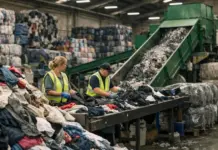
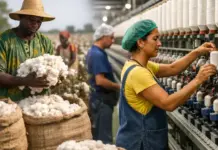



















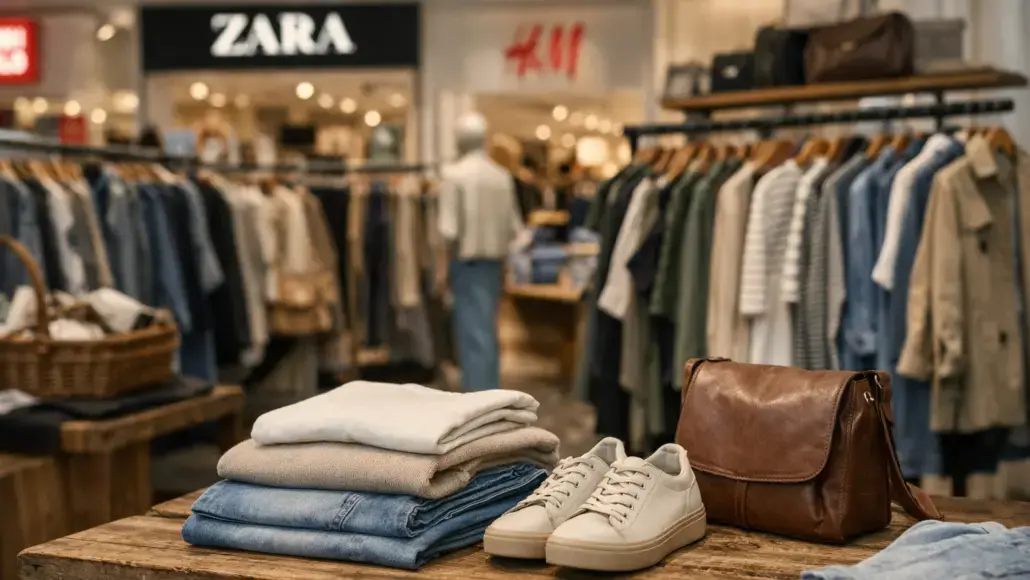
New York – The global garment industry is witnessing a significant shift as prominent fast fashion brands integrate secondary market sales into their primary business models. Industry leaders such as Uniqlo, Zara, and H&M are expanding their footprints in the resale market, seeking to provide consumers with official channels to buy and sell pre-owned clothing. This transition is part of a broader effort to promote sustainable apparel and address the environmental impact of textile waste through a more functional circular economy.
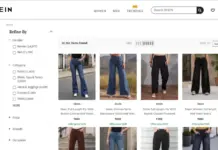
By facilitating sustainable fashion resale, these companies are positioning themselves to compete directly with established third-party platforms like ThredUp, Vinted, and Depop. The move represents a strategic response to changing consumer behaviors, particularly among younger demographics who prioritize both value and environmental responsibility.
Strategic Expansion into Pre-owned Clothing
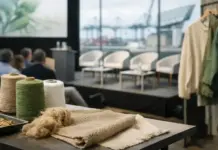
Uniqlo recently advanced its presence in this space by launching a dedicated initiative for pre-owned clothing. Following successful pilot programs in international hubs, the company is testing various formats, including temporary pop-up shops that offer refurbished items at reduced prices. These garments are often treated with unique finishes, such as dyeing techniques, to give them a refreshed aesthetic before they enter the resale market.
Similarly, Zara and H&M have introduced dedicated platforms to streamline the lifecycle of their products. Zara’s initiative allows customers to repair, resell, or donate their used garments through an integrated digital and physical network. These efforts by fast fashion brands are designed to keep garments in use longer, which is a fundamental pillar of a successful circular economy.
Economic Drivers and Consumer Trends in Sustainable Apparel
The growth of sustainable fashion resale is supported by data indicating that the secondary market is expanding significantly faster than traditional retail. For many consumers, the appeal lies in the ability to access high-quality sustainable apparel at a fraction of the original cost. By hosting their own platforms, brands can maintain a relationship with the customer even after the initial sale.
Key industry observations include:
- The rising cost of new raw materials is making the refurbishment of existing garments more economically viable for large-scale retailers.
- Regulatory pressure in various regions is encouraging companies to take more responsibility for the end-of-life stage of their products.
- Enhanced authentication processes help ensure that items sold through official brand channels meet quality standards that third-party marketplaces may not always guarantee.
As these fast fashion brands continue to refine their logistical capabilities, the availability of pre-owned clothing is expected to become a standard feature of the retail experience. This evolution reflects a necessary adaptation to a market that increasingly values the principles of a circular economy and the longevity of sustainable apparel.