


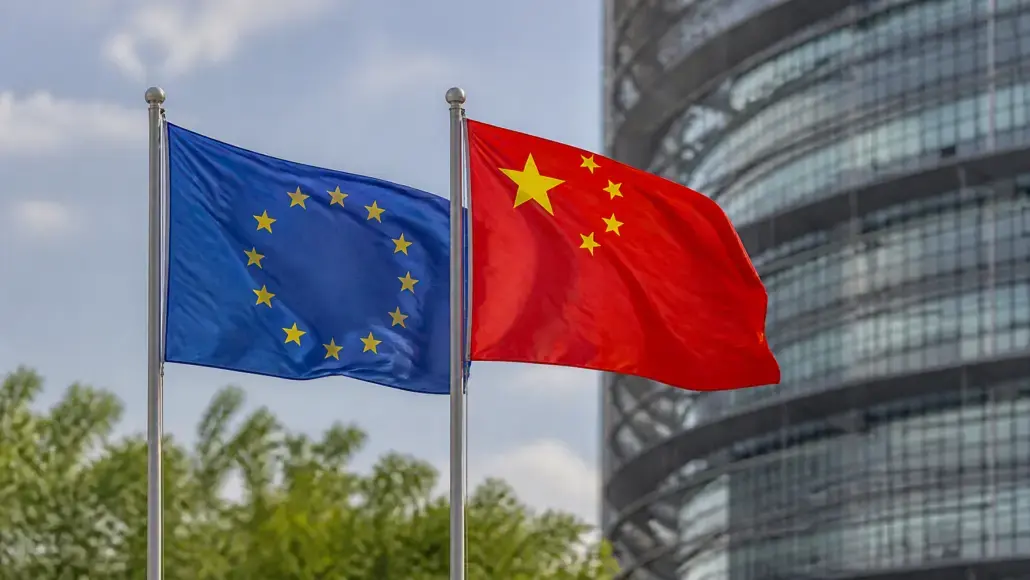
The European Union has decided to remove Chinese textile manufacturer Yusha from its sanctions list related to Russia. The move comes in the wake of diplomatic negotiations between the EU and Beijing, with trade and export control considerations playing a role in the discussions.
Negotiations with Beijing Shape the Decision
The delisting of Yusha from the EU Russia sanctions list did not occur in isolation. Talks between European and Chinese officials also touched on China’s own export control measures targeting Sindlhauser Materials, a German company that supplies to semiconductor equipment giant ASML. The intersection of these two separate but interconnected trade and foreign policy matters formed part of the broader negotiation context between the two sides.
Sindlhauser Materials, as an ASML supplier, sits at a sensitive junction in the global semiconductor supply chain, and China’s export controls on the firm added weight to the ongoing diplomatic exchanges that ultimately contributed to the decision on the EU Russia sanctions list.
Yusha and the EU Sanctions Framework
Yusha, a Chinese textile manufacturer, had previously been included in the EU’s list of entities subject to sanctions in connection with the ongoing conflict in Ukraine. The removal of Yusha from this list marks a direct outcome of the EU-China negotiations. The EU’s sanctions framework targeting Russia has been an active instrument of its foreign policy since the beginning of the Ukraine war, with the bloc periodically revising the list of designated entities based on evolving diplomatic and economic circumstances.
The decision to delist Yusha reflects how trade policy, export controls, and foreign policy considerations are increasingly intersecting in EU-China relations, particularly against the backdrop of the Ukraine conflict and broader geopolitical tensions.