

































Key Takeaways
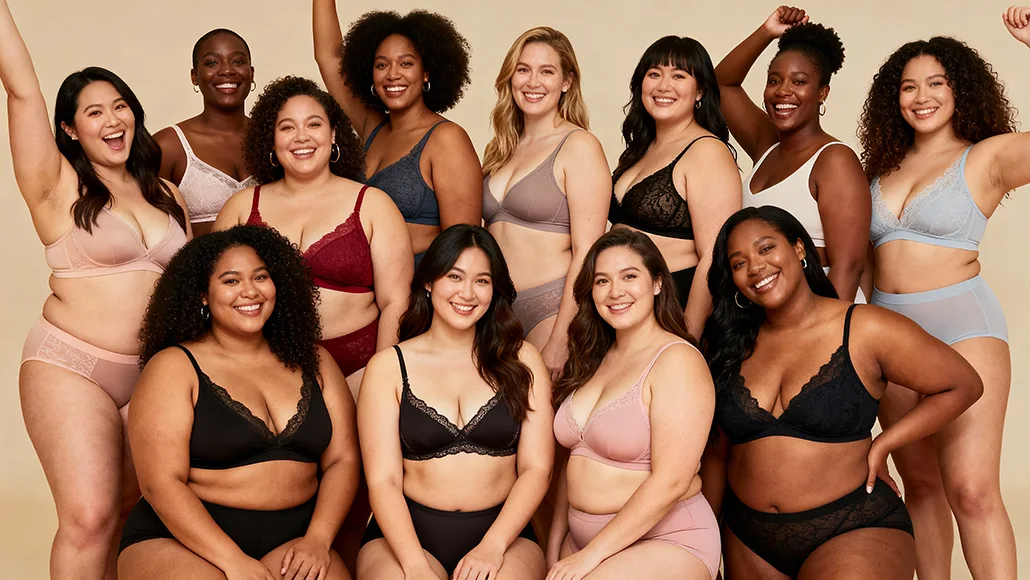
- Diversity in intimate apparel represents a market transformation where inclusivity has moved from aspirational principle to basic consumer expectation, fundamentally changing how brands approach design, production, and market segmentation strategies. Companies that embrace comprehensive sizing, diverse skin tones, and adaptive features position themselves advantageously within global markets where consumer expectations increasingly demand representation and accessibility.
- Expanded sizing ranges and inclusive design practices directly address a vast underserved market segment, demonstrating that diversity in fashion isn’t philanthropic but rather economically sound business strategy that expands customer bases and increases lifetime consumer value. Brands that previously ignored plus-size, petite, and adaptive markets discover substantial revenue opportunities by taking inclusivity seriously through dedicated design, manufacturing, and marketing investments.
- The movement toward skin tone-appropriate intimates acknowledges that intimate apparel must work harmoniously with diverse bodies, recognizing that universal nude shades represent a historical assumption that primarily benefited lighter-skinned consumers while leaving others underserved and invalidated. This shift toward inclusive skin tone ranges has become a foundational expectation among consumers, particularly younger demographics who view diversity and representation as non-negotiable brand criteria.
- Adaptive features and inclusive design practices benefit not only individuals with disabilities or mobility considerations but also aging populations, postpartum individuals, and anyone experiencing temporary or permanent physical changes, significantly expanding the addressable market for innovatively designed intimate apparel. This broader perspective on adaptability reveals that inclusive design creates superior products for significantly larger market segments than previously recognized.
The Market Imperative for Inclusive Intimate Apparel
The intimate apparel industry historically operated on a fundamental assumption: that diversity in intimate apparel was secondary to broader fashion trends and that standard sizing models adequately served mainstream markets. This perspective, deeply embedded in industry practice and corporate thinking, created a profoundly flawed market reality where millions of consumers struggled to find intimate wear that fit their bodies, matched their skin tones, or accommodated their specific needs. Contemporary understanding of inclusive lingerie design reveals this historical approach not merely as ethically problematic but as economically irrational, leaving substantial market opportunities unexploited and consumer populations underserved.
The transformation toward diversity in intimate apparel represents far more than corporate performance of progressive values. Rather, it reflects fundamental market dynamics where consumer expectations have evolved to demand authentic representation and practical accessibility. Younger generations particularly view brand inclusivity not as optional benefit but as baseline expectation, rewarding inclusive companies with loyalty while actively avoiding brands perceived as exclusionary. This generational shift in consumer behavior has forced intimate apparel manufacturers to reconsider historical business models and recognize inclusivity as essential to long-term business viability.
The Sizing Revolution and Market Expansion
Historically, intimate apparel sizing operated within remarkably restrictive parameters. Brands typically offered sizes ranging from 32A to 36D for bras, leaving the vast majority of women—including petite frames, larger body types, and those requiring extended sizes—effectively excluded from most mainstream offerings. This artificial limitation wasn’t based on manufacturing constraints but rather on historical assumptions about acceptable body types and outdated market segmentation strategies.
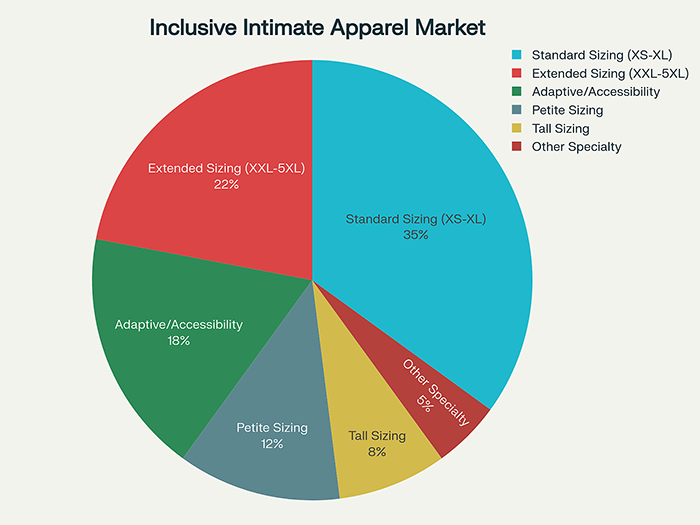
The recognition that expanded sizing represents untapped market opportunity has driven dramatic changes within the industry. Contemporary intimate apparel brands increasingly offer sizing from 28A through 50Z, encompassing far broader body types than previous generations imagined possible. This expansion required fundamental rethinking of manufacturing processes, pattern grading systems, and supply chain management. However, companies that invested in this expansion discovered that plus-size and extended-size markets represent not marginal segments but rather substantial consumer populations with significant purchasing power.
The economics of inclusive sizing justify the manufacturing investment required. Petite and tall consumers previously purchased standard sizes that didn’t fit properly, requiring additional alteration or simply accepting fit compromises that degraded comfort and confidence. Extended-size consumers faced similar challenges, often resorting to compromises or purchasing from limited specialty retailers. By designing intimates specifically for these populations across all size ranges, brands simultaneously increase customer satisfaction and expand addressable markets. The result is improved profitability through increased sales volume and customer retention that results from offering properly fitting intimate wear.
Inclusive sizing simultaneously addresses comfort and confidence issues that directly impact customer lifetime value. Individuals who find intimate apparel that fits properly and makes them feel confident are significantly more likely to become repeat customers and brand advocates. They’re willing to invest in quality pieces rather than cycling through unsuccessful purchases. This customer loyalty translates directly to improved financial metrics and sustainable competitive advantage for brands prioritizing inclusive sizing.
Skin Tone Inclusivity and the Evolution of “Nude”
One of the most transformative shifts within diversity intimate apparel concerns the recognition that “nude” doesn’t represent a single color but rather an entire spectrum reflecting global skin tone diversity. This conceptual shift, seemingly simple, required fundamental changes to manufacturing practices, supply chain organization, and corporate understanding of what constitutes inclusive intimate wear design.
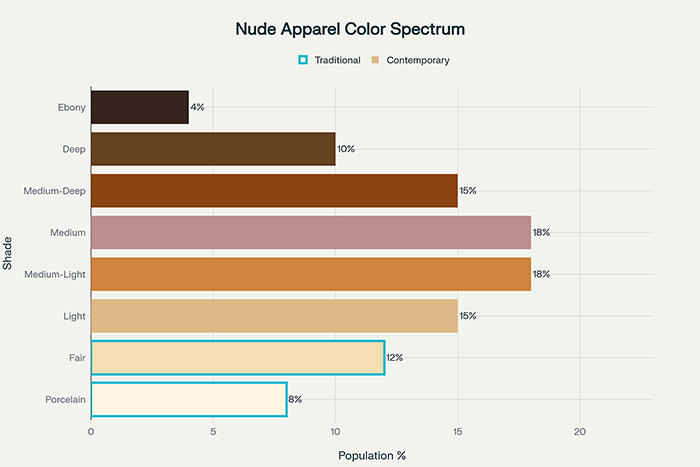
The historical approach to nude intimates perpetuated profound exclusion. When brands offered primarily light, pale shades labeled “nude,” they implicitly communicated that this single tone represented normalcy and desirability while other skin tones were aberrations or specialty options. This messaging operated through intimate apparel directly against bodies, sending clear signals about whose bodies merited foundational representation and whose didn’t. The psychological impact of this exclusion extended far beyond mere inconvenience; it communicated systemic devaluation and reinforced harmful hierarchies of beauty and normalcy.
Contemporary understanding recognizes that intimate apparel must work with individual bodies, not against them. Nude intimates worn by someone with deeper skin tones ideally blend seamlessly with their body, creating visual line elongation and aesthetic harmony—the same goals as lighter nude shades do for lighter-skinned wearers. Brands that now offer diverse skin tone ranges approach this not as specialty option but as foundational commitment to accessibility and representation.
The commercial expansion of skin tone-inclusive intimates has proven dramatically profitable. Consumers who can finally find intimate apparel that matches their skin tones demonstrate remarkable loyalty and willingness to invest in quality pieces. Brands expanding their nude shade offerings typically discover that every single shade range—not merely traditional pale shades—sells consistently. This consistent demand across diverse skin tones validates inclusivity not merely as ethical stance but as sound market strategy that serves distinct consumer populations genuinely rather than symbolically.
Adaptive Design for Diverse Bodies and Abilities
Diversity in intimate apparel extends beyond size and skin tone to encompass adaptive design features that serve individuals with varying physical needs, abilities, and circumstances. Adaptive intimates represent one of the fastest-growing segments within contemporary intimate apparel, driven by recognition that adaptive features benefit significantly larger populations than previously understood.
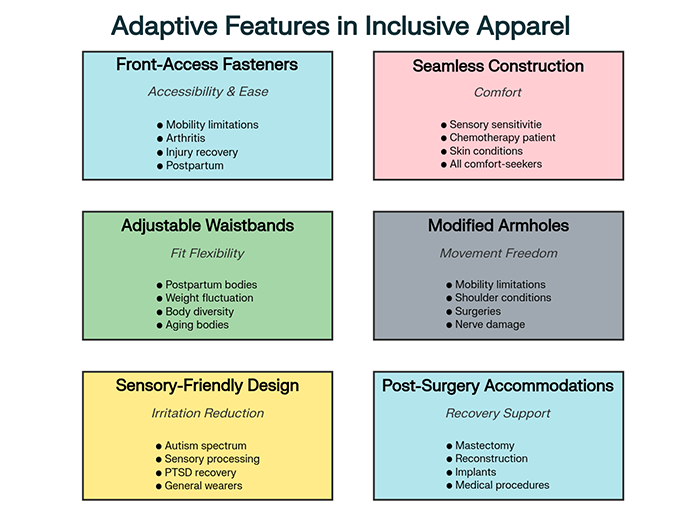
Individuals with mobility challenges, sensory sensitivities, or physical disabilities have historically faced particular difficulty obtaining intimate apparel meeting their specific needs. Standard designs featuring complex fastenings, seams in uncomfortable positions, or restrictive construction created genuine barriers to comfortable, functional intimate wear. Adaptive intimates design addresses these challenges through thoughtful innovations including front-accessible fasteners, seamless construction in sensitive areas, adaptive waistbands accommodating various body shapes and mobility considerations, and modified armhole designs accommodating different shoulder configurations and mobility requirements.
However, the market for adaptive features extends well beyond individuals with permanent disabilities. Postpartum individuals require different levels of support and accessibility than pre-pregnancy bodies. Individuals experiencing temporary mobility limitations due to injury or surgery benefit tremendously from adaptive features. Aging populations welcome simplified fasteners and ergonomic design modifications. Cancer survivors navigating post-treatment body changes appreciate adaptive designs accommodating mastectomy considerations or post-surgical sensitivities. Recognizing adaptive intimates as serving this much broader market dramatically expands addressable markets while creating genuinely useful products for millions of consumers.
The business case for adaptive intimate apparel design proves compelling. Brands investing in adaptive features discover that these innovations simultaneously improve products for populations previously underserved while expanding their customer bases substantially. A simplified front fastener designed for accessibility benefits postpartum consumers, individuals with arthritis or mobility limitations, aging consumers, and many others. Seam modifications reducing irritation in sensitive areas benefit individuals with sensory sensitivities, chemotherapy patients, and many others. This convergence of needs demonstrates that adaptive design innovations typically serve much larger populations than initially expected.
Global Market Implications and Cultural Considerations
Expanding diversity in intimate apparel becomes increasingly essential as brands operate within genuinely global markets where body types, sizing preferences, and cultural norms vary significantly across regions. What constitutes standard sizing in North America differs markedly from European conventions or Asian market preferences. Body diversity exists globally, requiring that truly inclusive brands approach sizing from genuinely international perspective rather than forcing one market’s conventions onto others.
This global perspective extends to cultural considerations around color, ornamentation, and style preferences. What appeals aesthetically across diverse populations and cultural backgrounds varies significantly. Inclusive intimate apparel design requires understanding and honoring these variations rather than assuming universal aesthetic preferences or imposing single cultural standards globally. Brands genuinely committed to diversity in intimate apparel engage with local designers, market researchers, and consumer communities to ensure that inclusive products reflect authentic understanding of diverse preferences and needs.
The financial implications of global inclusivity prove substantial. Brands that successfully navigate international diversity requirements position themselves advantageously within global markets representing billions of consumers. Those failing to account for regional preferences and diversity considerations lose market share to competitors better serving local markets. This competitive dynamic increasingly rewards inclusivity not as ethical choice but as essential business practice for global competitiveness.
Representation, Marketing and Authentic Inclusivity
Genuine diversity in intimate apparel extends beyond product design into how brands represent these diverse offerings through marketing, model selection, and brand communication. Authentic inclusivity requires featuring models reflecting the diversity of consumer populations in advertising and marketing materials. This representation serves both marketing and cultural functions, communicating that products are genuinely designed for diverse bodies rather than reluctantly offering diverse options while continuing to center narrow body types in aspirational brand messaging.
The distinction between authentic and performative inclusivity significantly impacts brand perception and consumer trust. Consumers readily recognize performative diversity through tokenistic representation or minimal inclusive offerings. Brands demonstrating genuine commitment to diversity through comprehensive sizing, diverse skin tone ranges, adaptive features, and authentic representation in marketing communications earn consumer trust and loyalty. Conversely, brands perceived as engaging in diversity theater while maintaining historical exclusionary practices face consumer backlash and loss of market share.
The most successful contemporary brands approach diversity in intimate apparel as fundamental design philosophy rather than market afterthought. This philosophical commitment manifests across product development, manufacturing, marketing, and corporate structure. Design teams include individuals representing diverse backgrounds, abilities, and perspectives. Manufacturing processes accommodate varied sizing requirements from initial prototyping through production. Marketing authentically represents diverse customer populations. This comprehensive approach to inclusivity creates products and brand experiences that serve diverse populations genuinely rather than symbolically.
The Future of Inclusive Intimate Apparel
Looking forward, diversity in intimate apparel will likely continue expanding as consumer expectations for inclusivity intensify and companies recognize the substantial business cases supporting investment in genuine diversity. Emerging technologies promise further innovations in how intimate apparel accommodates diverse needs and preferences. Three-dimensional body scanning technology enables customized fit addressing individual body variation. Sustainable material innovations expand fabric options meeting diverse preferences and cultural values. Advanced manufacturing techniques enable economically viable production of extended sizing ranges with consistent quality.
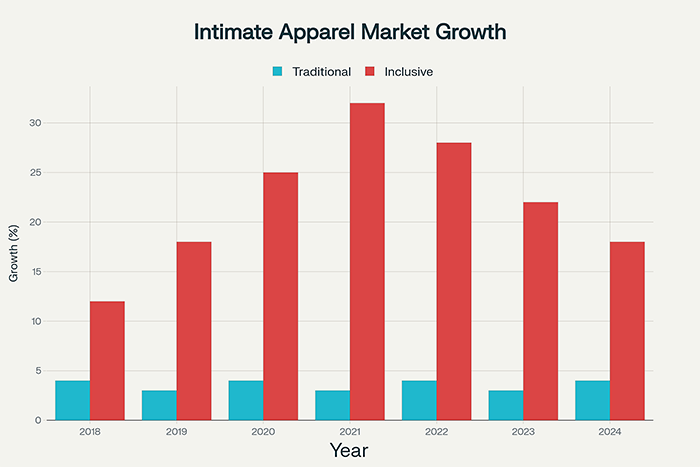
The evolution toward inclusive intimate apparel represents one of the most significant market transformations in this sector’s history. By recognizing that diversity in fashion isn’t peripheral but central to modern business success, contemporary brands position themselves advantageously within global markets increasingly demanding authentic representation and practical accessibility. This market transformation will likely accelerate, with inclusivity becoming so fundamental to industry practice that retrospective practices excluding vast consumer populations appear as dramatically exclusionary as they truly were. The intimate apparel market has discovered that genuine inclusivity serves both ethical imperatives and sound business strategy—a convergence that ensures continued momentum toward more representative, accessible, and genuinely global market practices.