
































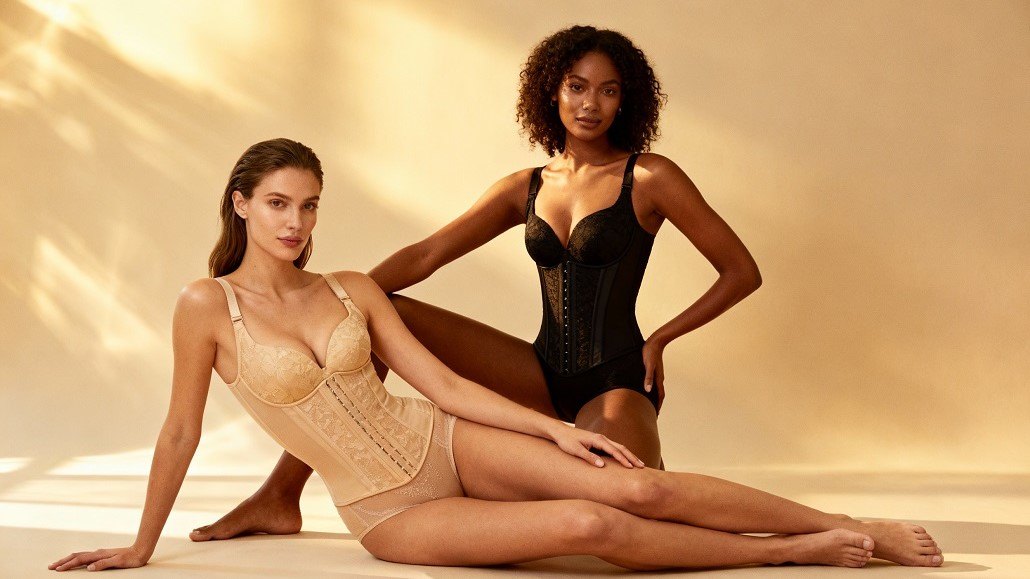

Key Takeaways
1. Fabric innovation makes shaping feel like a second skin
Modern shapewear relies on advanced compression fabrics, zoned support and seamless construction to deliver smoothing and sculpting without the pinching, rolling or breathlessness associated with older styles. Breathable yarns, mesh panels and moisture-wicking finishes mean these pieces can be worn all day, turning shapewear from a special-occasion compromise into true everyday functional fashion.
2. Seamless technology elevates shapewear into elegant essentials
Seamless shapewear, laser-cut edges and bonded waistbands have transformed the category from bulky and visible to sleek and nearly invisible under clothes. At the same time, refined textures, subtle patterns and considered necklines allow many sculpting bodysuits, slips and tanks to double as elegant outerwear, blurring the line between underwear and ready-to-wear.
3. Inclusivity and body-positive fashion are reshaping the narrative
Inclusive shapewear now spans broader size ranges, multiple torso lengths, diverse nude tones and fits tailored to different body types. Marketing and design have shifted away from “fixing” flaws towards supporting personal comfort and choice, positioning elegant shapewear functional fashion as a confidence tool that works with, not against, the wearer’s natural shape.
4. Comfort, versatility and sustainability define the future
The most successful sculpting intimates combine comfort-first design, styling versatility and growing attention to sustainable materials and processes. As brands explore recycled or bio-based fibres, smarter fit tools and 3D knitting, shapewear is set to become even more personalised, planet-conscious and seamlessly integrated into everyday wardrobes.
From constriction to confidence: how shapewear became everyday fashion
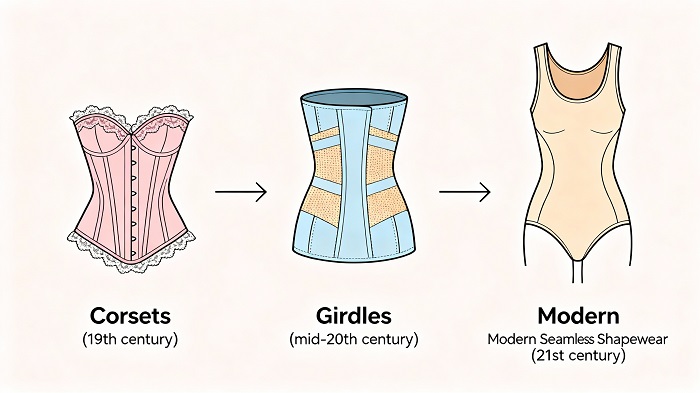 Shapewear has moved a long way from the stiff corsets and unforgiving girdles that once defined structured dressing. What began as purely functional underwear designed to restrain and reshape the body has evolved into elegant shapewear functional fashion that supports, celebrates and collaborates with every body. Modern consumers no longer want to squeeze themselves into discomfort for the sake of a silhouette; they expect sculpting intimates to feel like a natural extension of their wardrobe.
Several forces sit behind this shift. Advances in compression fabrics, seamless knitting technology, inclusive sizing and body-positive messaging have transformed shapewear from a hidden layer into a visible, style-driven category. At the same time, hybrid lifestyles – moving between home, office, social events and screens – have fuelled demand for pieces that can do it all: smooth under a dress, style as a sleek top, and provide all-day comfort shapewear support.
The result is a new generation of elegant shapewear that functions as both technical undergarment and fashionable statement. For brands and retailers, this evolution opens opportunities to tell richer stories around confidence, inclusivity and versatility – not just control.
Fabric innovation: breathable compression that moves with the body
The foundation of today’s functional fashion lies in textiles. Earlier generations of shapewear relied on heavy elastics, boning and rigid panels that delivered control at the expense of breathability. Contemporary compression fabrics are engineered to provide targeted support while maintaining airflow, stretch and softness.
High-performance blends of polyamide, elastane and microfibre yarns are knitted to create zones of differing compression: firmer panels around the abdomen or thighs, softer zones at the bust, hips and seat. This zoned construction allows garments to sculpt without digging, rolling or creating new bulges at the garment edge. It also means wearers can size more closely to their usual underwear or apparel size, instead of sizing down aggressively to achieve the desired effect.
The move toward lighter, finer yarns has been particularly important for comfort shapewear. Seamless tubular knitting, laser-cut edges and bonded seams reduce friction, chafing and visible lines beneath clothing. Meanwhile, moisture-wicking finishes and breathable mesh panels respond to real-world concerns: busy commutes, warm climates, long events and everyday wear.
Crucially, these fabric innovations support the wider shift from occasion-only shapewear to functional fashion that can be worn from morning to night. When compression feels soft, smooth and unobtrusive, shapewear stops being a compromise and becomes an enabler of comfort and confidence.
Seamless shapewear and the art of invisibility
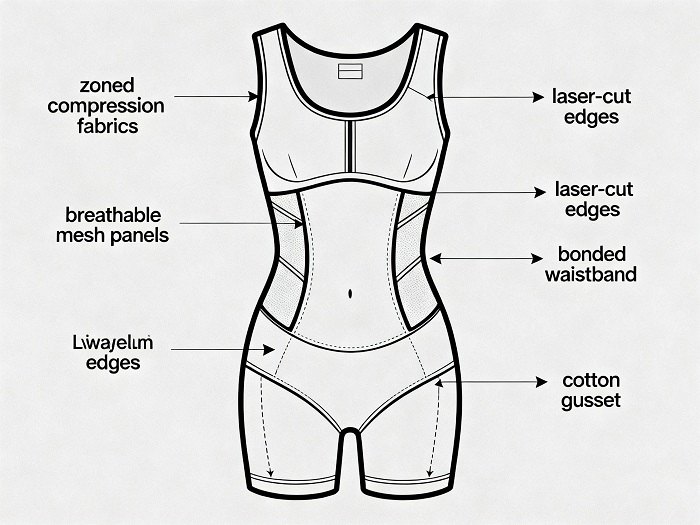 The rise of seamless shapewear has rewritten expectations around how sculpting garments should look under clothes. Instead of multiple stitched panels and bulky elastic bindings, seamless styles are knitted as a single tube, with shaping engineered directly into the fabric structure.
This delivers three advantages. First, it dramatically reduces visible lines under close-fitting or lightweight fabrics – a key demand for consumers who want support under bodycon dresses, ribbed knitwear and stretch denim without giveaway seams. Second, it allows for a more second-skin feel, because the garment flexes consistently across the body. Third, it opens up new design possibilities, such as intricate jacquard patterns, rib structures or subtle sheen that elevate shapewear into the realm of elegant shapewear.
Laser-cut leg openings, bonded waistbands and flat, minimal gusset constructions all contribute to the “barely there” sensation that defines premium seamless shapewear. Rather than simply flattening, these garments focus on smoothing and contouring – softening the transition between areas of compression and leaving the natural shape of the body visible.
Inclusive shapewear and body-positive fashion
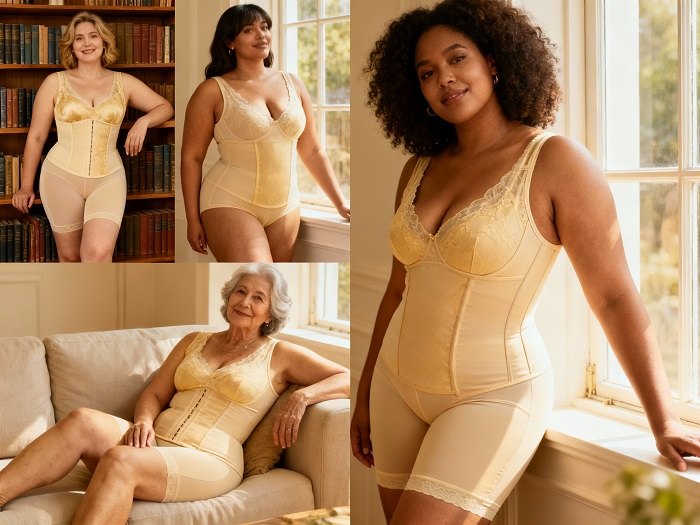 Perhaps the most profound transformation has been ideological. The language of “fixing flaws” is steadily being replaced by the vocabulary of body-positive fashion. Modern inclusive shapewear is designed not to erase the body but to support it in motion, on its own terms.
Size ranges now routinely extend from petite to plus, with brands investing in pattern development and fit testing across multiple body shapes rather than scaling from a single base pattern. This matters: a high-waisted brief or sculpting bodysuit that works on a straight-size fit model will not automatically perform on a curvier or more muscular frame. True inclusivity requires different torso lengths, strap adjustments, thigh openings and rise heights to accommodate diverse proportions.
Colour inclusivity is also central to inclusive shapewear. Nude is no longer shorthand for a single beige tone. Collections now offer expansive nude palettes that reflect a spectrum of skin shades, as well as fashion colours and lace overlays that allow shapewear to double as everyday lingerie.
Marketing has followed suit, showcasing a variety of bodies, ages and genders in sculpting intimates. Campaigns emphasise agency and choice – shapewear as a tool for self-expression rather than an obligation. In this context, elegant shapewear functional fashion becomes a vehicle for confidence, not conformity.
Shapewear as outerwear: styling for real wardrobes
As shapewear becomes more visually refined, it no longer needs to stay hidden. Bodysuits with built-in bras, longline shaping camisoles and sculpting slip dresses now appear in outfit-of-the-day posts, styled much like any other minimal base layer. This shift is particularly visible in the rise of “second-skin” dressing: sleek, tonal looks built around smooth, contoured foundations.
High-neck or square-neck bodysuits can be worn with tailored trousers and a blazer, merging the polish of office wear with the comfort of comfort shapewear. Sculpting tank slips double as minimalist dresses when paired with an oversized shirt or structured coat. Even high-waisted shaping shorts, once purely functional, are being reimagined with delicate lace trims or fashion colours, ready to peek out beneath oversized knits or relaxed tailoring.
For consumers, this is where functional fashion earns its name. Instead of buying separate base layers, shapewear and topwear, they can invest in versatile pieces that serve multiple roles – smoothing, supporting and styling. For brands, it opens cross-category merchandising opportunities, positioning shapewear alongside apparel in lookbooks and online edits.
Comfort as the new luxury in sculpting intimates
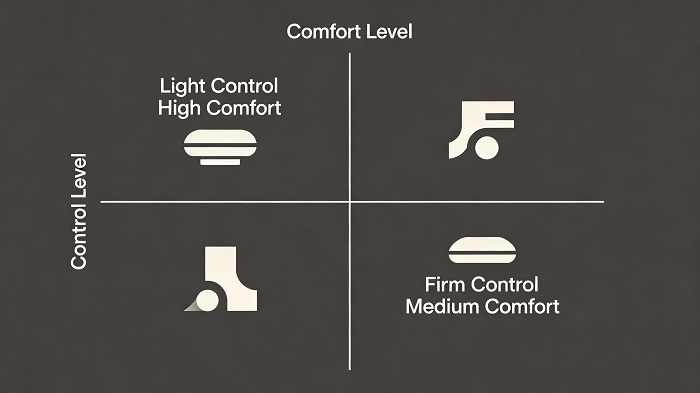 The most successful elegant shapewear collections understand that comfort is no longer a negotiable extra but the core value proposition. Features that once belonged only to sportswear – breathable yarns, four-way stretch, wide plush waistbands, dig-free straps – are increasingly standard in sculpting intimates.
Compression is carefully calibrated to avoid restricting the diaphragm or creating pressure points at the waist, thighs or underbust. Gusset shapes are refined to prevent riding up, while leg cuts are sculpted to sit smoothly on fuller thighs without cutting in. Some designs integrate lightly padded or moulded cups to remove the need for a separate bra, simplifying layering and elevating comfort.
This approach appeals to consumers who want comfort shapewear they can wear for long workdays, travel or social events without constantly adjusting or longing to take it off. It also broadens the user base beyond special-occasion wearers to include people seeking everyday back support, gentle abdominal compression after pregnancy, or simply a more secure feeling under clothing.
Looking ahead: technology, sustainability and personalisation
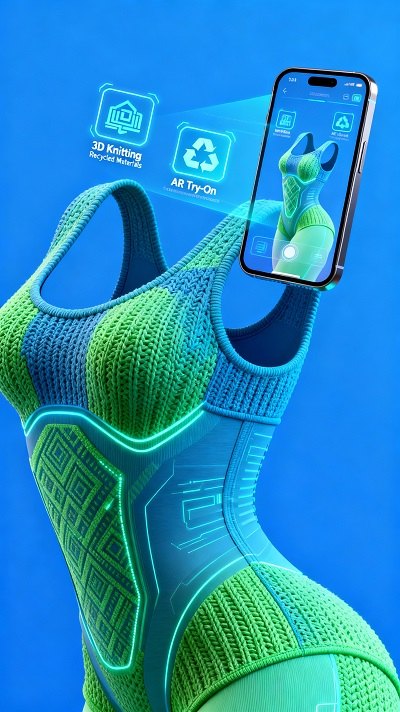 The next chapter of elegant shapewear is likely to blend digital innovation with sustainability. 3D knitting and on-demand production can reduce fabric waste while enabling more precise, body-specific shaping. Smart fit tools and virtual try-on technologies will help customers choose the right size and compression level, reducing returns and improving satisfaction.
On the materials side, recycled polyamide, plant-based elastane alternatives and bio-based finishes are beginning to filter into shapewear, aligning body-positive fashion with environmental responsibility. As consumers become more conscious of both comfort and carbon footprint, brands that combine soft, supportive compression fabrics with transparent sourcing will stand out.
Through all these developments, the central promise remains the same: shapewear that is as elegant as it is effective, and as inclusive as it is intelligent. Elegant shapewear functional fashion is not about changing who people are but about giving them the tools to feel at ease in their own skin – whether they choose to keep those tools invisible or wear them proudly as part of their everyday style.