





























PSI 2026

Kenya: Second-Hand and Local Apparel Sectors Can Coexist

Note* - All images used are for editorial and illustrative purposes only and may not originate from the original news provider or associated company.

Subscribe

- Never miss a story with notifications

- Gain full access to our premium content

- Browse free from up to 5 devices at once

Media Packs

Expand Your Reach With Our Customized Solutions Empowering Your Campaigns To Maximize Your Reach & Drive Real Results!
– Access The Media Pack Now!
– Book a Conference Call
Leave Message for us to Get Back

Related stories

Fashion Trends Influencing Fabric Innovation in 2026

Emerging fashion preferences in 2026 are catalyzing unprecedented innovation in fiber development, fabric finishing, and material engineering. From advanced sustainable bio-cellulosics and smart textiles to regenerative fibers and performance-enhanced constructions, fashion-driven demand is pushing textile manufacturers to develop revolutionary materials that simultaneously address aesthetic trends and environmental imperatives.

Fashion Trends Shaping the Global Textile Landscape

The global textile industry is experiencing unprecedented transformation as fashion trends increasingly dictate material development, consumer demand patterns, and production innovations. With the market valued at USD 987.95 billion in 2024 and projected to reach USD 1,407.12 billion by 2034 at a CAGR of 3.60%, the intersection of fashion-driven trends and textile innovation is reshaping how garments are conceived, manufactured, and consumed worldwide.

Cotton Body Calls for Removal of 11% Import Duty in India

India's leading cotton trade organization has made a strong...

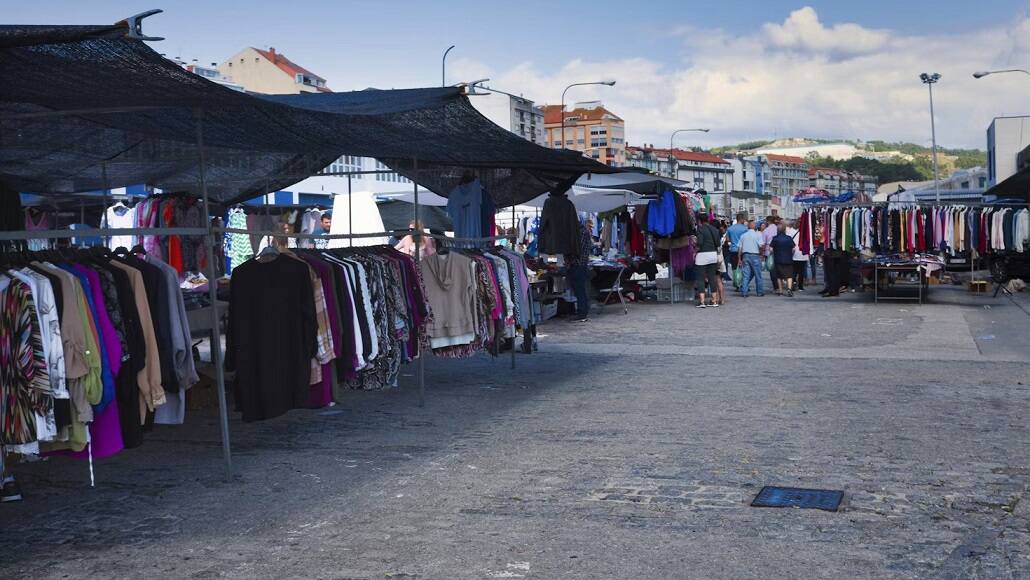
A recent study conducted by the Institute of Economic Affairs Kenya and the Mitumba Consortium Association of Kenya (MCAK) has revealed that Kenya’s second-hand clothing trade, popularly known as mitumba, and its domestic apparel manufacturing industry are not adversaries but complementary sectors capable of coexisting harmoniously.

Distinct Markets, Shared Opportunities

Contrary to the notion of competition, the study highlights that these two markets cater to different consumer needs. While many Kenyan households purchase both new and second-hand clothing, rising income levels are expected to shift consumer preferences more toward new apparel over time. The report, titled ‘A Future Look at the Apparel and Footwear Industry in Kenya (2022–2037)’, indicates that households are hybrid consumers, and as incomes double by 2037, demand for both new and second-hand clothing is projected to grow significantly.

Mitumba’s Role in Kenya’s Economy

The findings underscore that mitumba is not a hindrance to Kenya’s industrial aspirations but rather a pivotal part of a thriving, diverse economy. This model could also be implemented across other African nations. The second-hand clothing trade plays a valuable role in fostering inclusivity and reducing textile waste, thereby contributing to sustainability goals and environmental stewardship.

Economic Growth and Sustainability

The report points out that a balanced apparel ecosystem—encompassing second-hand imports and local production—has significant potential to drive Kenya’s inclusive economic growth, job creation, and sustainability objectives. These align with Kenya’s Vision 2030 and the African Union’s Agenda 2063. However, the realization of these goals depends on the establishment of robust, supportive policies designed to advance both sectors simultaneously.

A Strategic 15-Year Plan

Using in-depth economic modelling, consumer surveys, and policy analysis, the report offers a detailed, 15-year roadmap to strengthen Kenya’s apparel and footwear industries. The strategic plan emphasizes not only economic growth but also environmental sustainability.

The mitumba trade, through its reuse and upcycling of textiles, has become a key player in reducing waste and minimizing the environmental impact of the fashion industry. By keeping wearable garments in use and out of landfills, the second-hand clothing market contributes to the global movement toward a circular economy and aligns with efforts to combat pollution and textile waste.

Conclusion

The study emphasizes that nurturing both second-hand clothing trade and local garment production can create a harmonious, sustainable, and dynamic apparel industry in Kenya. With the right policies in place, this dual-sector strategy can spur economic advancement, promote environmental goals, and set an example for other African nations.

Latest stories

Related stories

Fashion Trends Influencing Fabric Innovation in 2026

Emerging fashion preferences in 2026 are catalyzing unprecedented innovation in fiber development, fabric finishing, and material engineering. From advanced sustainable bio-cellulosics and smart textiles to regenerative fibers and performance-enhanced constructions, fashion-driven demand is pushing textile manufacturers to develop revolutionary materials that simultaneously address aesthetic trends and environmental imperatives.

Fashion Trends Shaping the Global Textile Landscape

The global textile industry is experiencing unprecedented transformation as fashion trends increasingly dictate material development, consumer demand patterns, and production innovations. With the market valued at USD 987.95 billion in 2024 and projected to reach USD 1,407.12 billion by 2034 at a CAGR of 3.60%, the intersection of fashion-driven trends and textile innovation is reshaping how garments are conceived, manufactured, and consumed worldwide.

Cotton Body Calls for Removal of 11% Import Duty in India

India's leading cotton trade organization has made a strong...

Subscribe

- Never miss a story with notifications

- Gain full access to our premium content

- Browse free from up to 5 devices at once

Media Packs

Expand Your Reach With Our Customized Solutions Empowering Your Campaigns To Maximize Your Reach & Drive Real Results!

– Access The Media Pack Now!
– Book a Conference Call
Leave Message for us to Get Back

Translate »