




























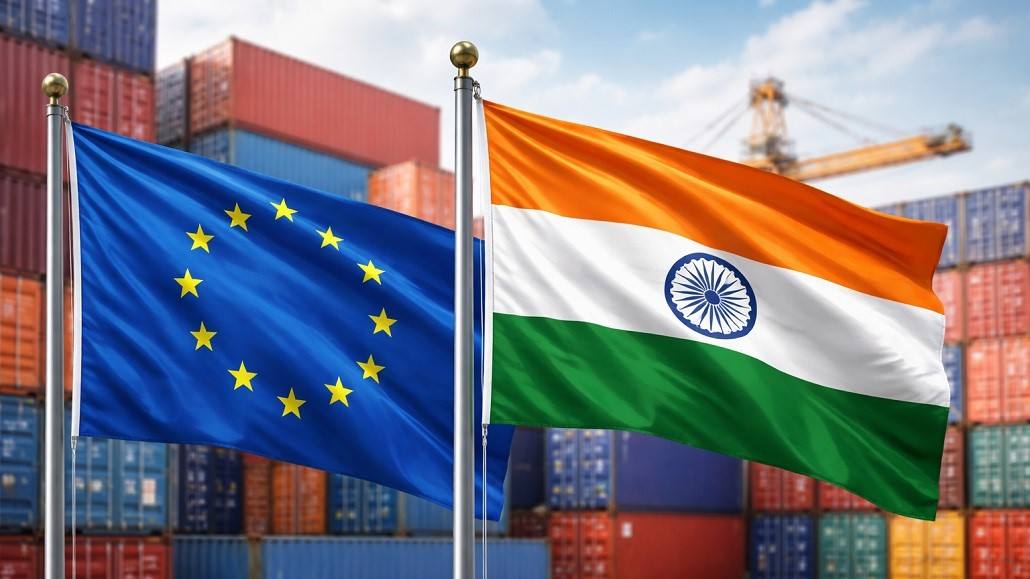

The European Union and India have formally concluded one of the most significant trade agreements in modern economic history. Signed on 27 January 2026 after nearly two decades of negotiations, the EU–India Free Trade Agreement (FTA) establishes a new commercial framework covering close to two billion people and nearly a quarter of global GDP.
For Europe’s textile and apparel sector, the deal represents a turning point. It promises lower sourcing costs, improved access to one of the world’s fastest-growing manufacturing hubs, and stronger industrial cooperation. At the same time, it introduces sharper competition and accelerates structural changes already underway across the European textile value chain.
A Strategic Trade Shift for Europe
The agreement removes or reduces tariffs on the majority of goods traded between the EU and India. In textiles, the impact is immediate: duties that previously ranged between 9 and 12 percent on Indian garments and home textiles will be eliminated.
This single change significantly alters the economics of sourcing for European brands and retailers. India, already a key supplier of cotton-based textiles and garments, now becomes one of the most cost-competitive origins for the European market.
Beyond tariffs, the agreement improves regulatory cooperation, customs procedures, and long-term market access making it easier for European companies to integrate Indian suppliers into stable, long-term supply chains.
Textiles at the Core of the Agreement
Few sectors are affected as directly as textiles and apparel.
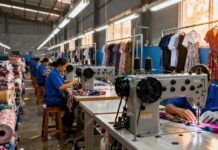
India enters the agreement with one of the world’s largest textile industries, spanning cotton, man-made fibres, home textiles, garments, and technical textiles. With tariff barriers removed, Indian exports are expected to expand rapidly across the EU, particularly in apparel and home furnishings.
For European buyers, this translates into lower landed costs, increased sourcing flexibility, and stronger negotiating power. For manufacturers, however, it marks the beginning of a more competitive operating environment.
Apparel and Fashion: A New Cost Reality
The apparel segment is likely to experience the fastest and most visible impact.
European fashion brands, particularly in the mid-market and private-label space, stand to benefit from improved margins and sourcing efficiency. Lower costs will allow greater pricing flexibility and faster response to market demand.
At the same time, European apparel manufacturers especially those producing basic or price-sensitive garments will face increased pressure. Competing on cost alone will become increasingly difficult, accelerating the shift toward shorter production cycles, niche manufacturing, and higher-value design-led production.
The agreement effectively reinforces an existing trend: volume production moves east, while Europe focuses on speed, quality, and differentiation.
Home Textiles: A Clear Growth Area
Home textiles are expected to be one of the biggest beneficiaries of the agreement.
India already plays a dominant role in global home textile supply, particularly in bed linen, towels, curtains, and soft furnishings. With tariff barriers removed, European importers are likely to increase sourcing volumes significantly.
For retailers, the deal improves pricing stability and product availability. For Indian producers, it offers long-term access to one of the world’s most valuable consumer markets. For European manufacturers, it raises the importance of specialization, branding, and premium positioning.
Technical Textiles: Europe’s Strategic Stronghold
While apparel and home textiles face intensifying competition, Europe retains a strong advantage in technical and performance textiles.
Sectors such as medical textiles, automotive fabrics, protective wear, and industrial applications continue to rely on advanced engineering, strict certification, and high levels of R&D areas where European companies lead globally.
Rather than replacing European production, the FTA is expected to encourage collaboration, with Indian suppliers providing base materials and European firms focusing on high-value processing and innovation.
Machinery and Technology: A Major Opportunity for Europe
One of the most positive outcomes of the agreement lies in textile machinery and technology exports.
As Indian manufacturers expand capacity and upgrade facilities to meet global standards, demand for European machinery is expected to rise sharply. This includes spinning and weaving equipment, dyeing and finishing systems, digital printing, and sustainability-driven technologies.
For machinery manufacturers in Germany, Italy, and Switzerland, the agreement opens a strong growth window over the next five to ten years, particularly in energy-efficient and automated solutions.
Sustainability Moves to the Forefront
The EU–India agreement also reinforces sustainability as a core trade requirement rather than a voluntary initiative.
European buyers increasingly demand transparency, traceability, and compliance with environmental and labour standards. Indian exporters seeking long-term access to the EU market will need to align with these expectations.
This creates a more level playing field for responsible producers and strengthens Europe’s role as a global standard-setter in sustainable textile trade.
Challenges That Remain
Despite its advantages, the agreement presents clear challenges for parts of the European industry.
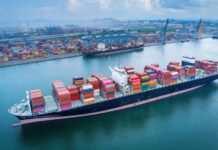
Price competition will intensify, particularly in basic apparel and commodity textiles. Smaller manufacturers may struggle to adapt without investment in innovation or specialization. Dependence on overseas sourcing will also require careful risk management, particularly in logistics and compliance.
The coming years will test how effectively European companies can reposition themselves in a more open and competitive market.
A Long-Term Structural Shift
The EU–India Free Trade Agreement is not a short-term commercial adjustment. It marks a structural change in how textiles are sourced, produced, and traded.
For Europe, the future lies not in competing on volume, but in leading through innovation, sustainability, technology, and design excellence. Companies that adapt quickly will benefit from stronger global integration and new growth opportunities.
Those that fail to evolve may find the new trade environment increasingly difficult to navigate.
At a Glance: What the Deal Means for Europe
-
Lower textile import costs from India
-
Increased competition in apparel and home textiles
-
Strong growth outlook for textile machinery exports
-
Reinforced focus on sustainability and compliance
-
Greater integration of EU–India textile supply chains