


























The sportswear industry finds itself in an uncomfortable position. The biggest names in the business continue to talk the sustainability talk, but the evidence suggests that walking the walk is proving far more difficult. While sales volumes surge ahead, meaningful progress on emissions reduction, clean energy adoption, and circular product development is moving at a noticeably slower pace.
Most major sportswear brands still have their climate targets formally in place. Unlike Under Armour, which notably watered down its climate commitments, the majority of leading players have chosen to retain their environmental goals — at least on paper. But retaining a target and actually meeting it are two entirely different things, and that gap is becoming increasingly difficult to overlook in the context of sportswear sustainability.
Supply Chain Emissions Remain the Industry’s Biggest Hurdle
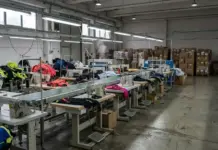
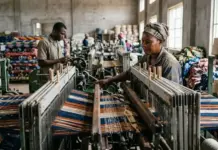
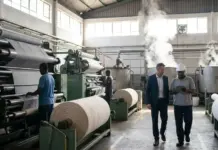
The core challenge for the sportswear sector lies deep within its supply chains. Cutting supply chain emissions has proven to be among the most stubborn problems in the industry’s sustainability agenda. While individual brands have made strides in measuring and reporting their emissions footprint, the actual reductions are not keeping pace with the speed at which these companies are growing their production volumes.
Rising output is actively eroding the gains that have been made. Each time a brand scales up manufacturing to meet consumer demand, the environmental dividend from efficiency improvements shrinks. This dynamic is at the heart of why sportswear sustainability progress looks underwhelming against a backdrop of robust commercial performance.
On the disclosure front, Adidas and Puma have emerged as leaders in aligning their reporting with the Task Force on Climate-related Financial Disclosures framework, which is widely regarded as a benchmark for transparent climate risk communication. Nike, meanwhile, recorded a meaningful reduction in emissions intensity over recent years, though the specific figures in the original reporting have been partially withheld from public view.
Renewable Energy and Circular Products Are Lagging
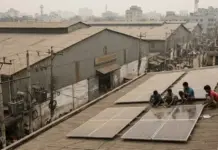
Beyond supply chain emissions, the transition to renewable energy within sportswear manufacturing is progressing slower than the industry’s own growth trajectory. The same applies to the development and scaling of circular products — items designed with end-of-life recyclability or reuse in mind.
Circular product innovation remains a bright spot in theory, but in practice the commercial scale required to make a real dent in the sector’s material footprint has not yet been reached. Repair programmes, resale platforms, and take-back schemes all exist across various brands, but none have been deployed at a scale that meaningfully offsets the volume of new product being pushed into the market each season.
The reliance on virgin synthetic materials continues to be a core concern. Reducing dependence on these inputs is frequently cited as one of the most impactful levers available to the sector, yet adoption of alternative materials and recycled fibres at scale remains inconsistent across the industry.
What Needs to Change for Sportswear Sustainability to Accelerate
The path forward for sportswear sustainability, as reflected in current industry analysis, points to a clear set of priorities. The sector needs to reduce its consumption of virgin synthetic fibres, scale up repair and resale infrastructure in a meaningful way, and drive genuine clean energy transitions within its supplier base.
These are not new ideas. They have been on the industry agenda for some time. The difference now is that the gap between ambition and action is becoming more visible, and the commercial growth of the sportswear sector is making it harder to argue that voluntary progress alone is sufficient.
Sportswear brands are, as things stand, sprinting in sales and jogging in sustainability. For climate targets to translate into climate outcomes, the pace of the latter will need to catch up with the former — and sooner rather than later.

